Revit Architecture: Comprehensive Guide, Features, and Real-World Applications
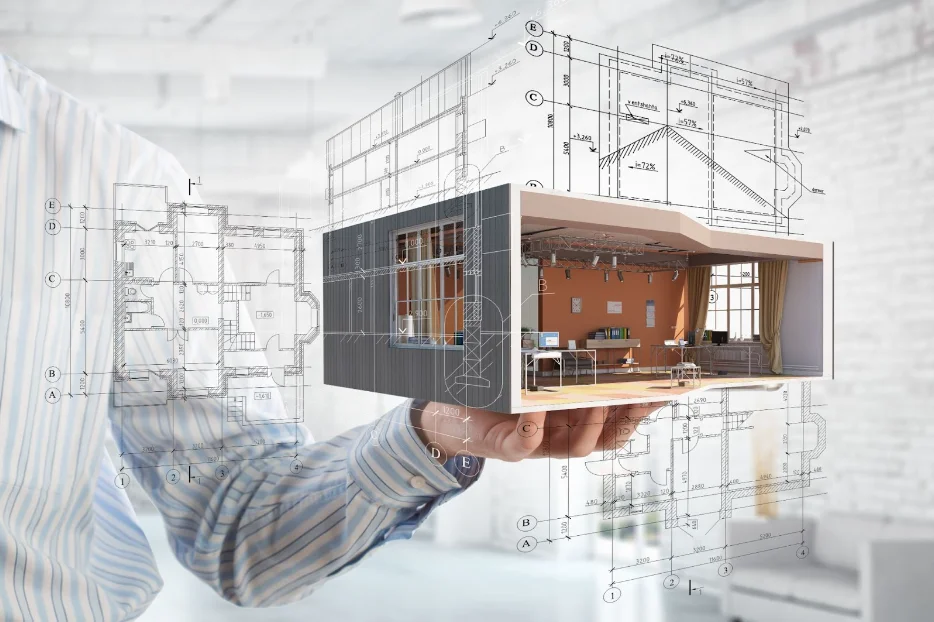
Revit Architecture, developed by Autodesk, is one of the most widely used Building Information Modeling (BIM) software platforms in the world. It revolutionizes the way architects, engineers, and construction professionals collaborate on design and building projects. Unlike traditional CAD software, Revit enables intelligent 3D modeling, data integration, and real-time project coordination.
With its robust capabilities, Revit Architecture goes beyond creating drawings. It produces comprehensive digital models that encapsulate geometry, spatial relationships, building components, and detailed construction data. This makes it a critical tool not only for design but also for planning, cost estimation, sustainability analysis, and facility management.
The Evolution of Revit Architecture
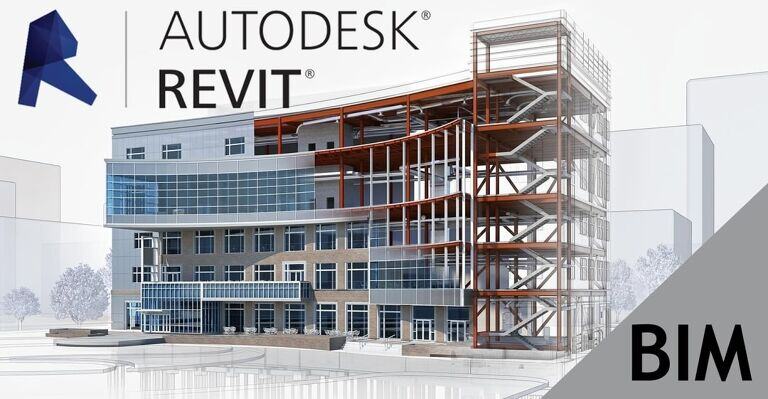
Autodesk acquired Revit in 2002, and since then, it has become the cornerstone of BIM adoption across the architecture, engineering, and construction (AEC) industry. Early versions focused on parametric modeling, but over the years, Revit has expanded to support complex workflows such as interdisciplinary collaboration, cloud-based coordination, and generative design.
As global construction projects demand faster delivery, higher efficiency, and sustainable solutions, Revit Architecture plays an essential role in bridging creativity with technical precision. Today, it is regarded as the industry standard for architects worldwide.
Key Features of Revit Architecture
Parametric Modeling
One of Revit’s defining features is parametric modeling. Every element in Revit, whether a wall, window, or door, is part of a parametric family. This means changes in one view automatically reflect across all others, ensuring consistency and saving time.
3D Visualization and Rendering
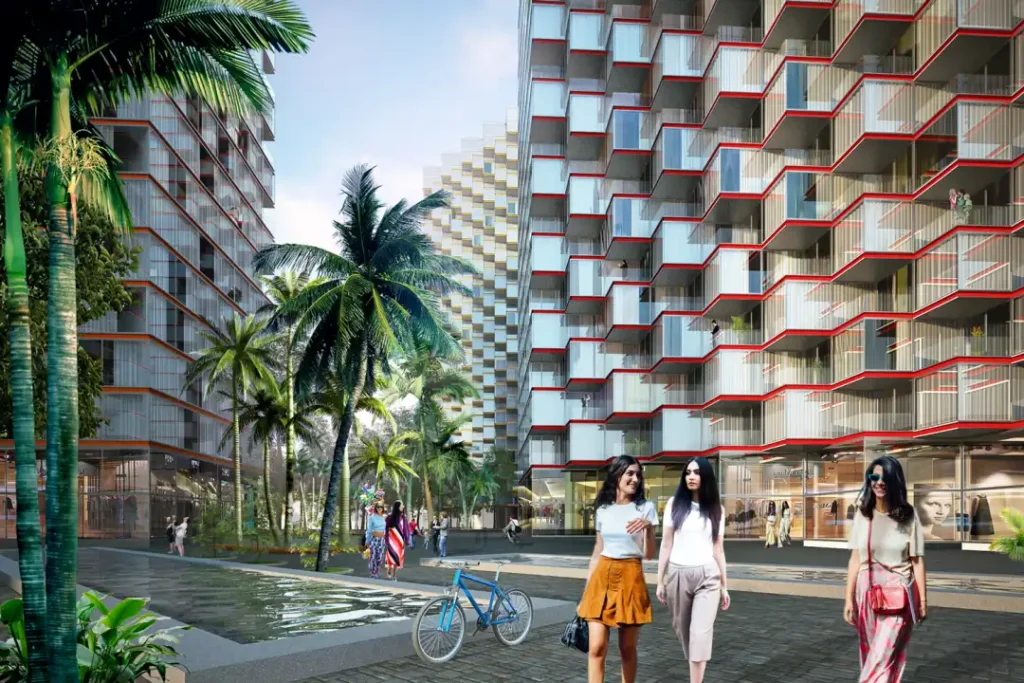
Revit provides advanced visualization tools that allow architects to create photorealistic renderings, walkthroughs, and immersive presentations. This capability helps stakeholders better understand and visualize designs before construction begins.
Collaboration Tools
With cloud integration through Autodesk BIM 360, teams across different disciplines can work together on a single model in real-time. This reduces conflicts, improves efficiency, and minimizes costly errors.
Documentation and Scheduling
Revit Architecture automatically generates detailed construction documents, material schedules, and cost estimates directly from the model. This eliminates duplication of effort and ensures accuracy across all project phases.
Real-World Examples of Revit Architecture Applications
Example 1: Designing Modern High-Rise Buildings
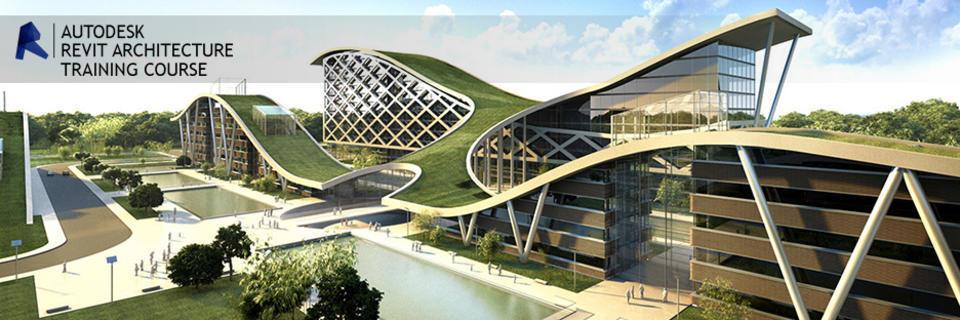
Revit Architecture has been widely used in the design of skyscrapers and high-rise complexes. The software’s parametric capabilities make it easier to handle the complexity of structural elements, mechanical systems, and façade details in tall buildings.
In large projects like mixed-use towers, architects rely on Revit to coordinate between structural engineers and MEP (mechanical, electrical, plumbing) consultants. By working on a shared BIM model, conflicts such as duct clashes or structural misalignments can be detected and resolved early. This reduces rework and construction delays, ensuring a smoother project delivery.
Example 2: Healthcare Facilities and Hospitals
Hospitals are among the most complex building types, requiring precise planning of circulation spaces, patient rooms, medical equipment, and safety systems. Revit Architecture has been instrumental in designing healthcare facilities across the globe.
With its detailed scheduling and documentation features, architects can design patient-friendly spaces while ensuring compliance with strict building codes and healthcare regulations. Revit’s ability to simulate energy usage and daylighting also allows healthcare institutions to achieve sustainable and energy-efficient designs.
Example 3: Renovation and Restoration Projects
Revit is not just for new buildings; it is also invaluable for renovation and restoration. Historic preservation projects often require accurate documentation of existing structures. Using Revit Architecture, architects can create precise digital twins of heritage sites.
For example, when renovating a century-old civic building, Revit can be used to model structural reinforcements, integrate modern HVAC systems, and plan accessibility upgrades without compromising the original aesthetics. This ensures both cultural preservation and compliance with modern building standards.
Example 4: Sustainable and Green Building Design
Sustainability is a core concern in modern architecture. Revit integrates with tools like Insight for energy analysis, allowing architects to evaluate building performance from the earliest design stages.
Designers can simulate natural lighting, ventilation, and thermal performance directly in Revit. This helps in achieving certifications such as LEED or BREEAM. For instance, architects designing eco-friendly office complexes often rely on Revit to balance functionality with environmental responsibility, ensuring energy efficiency and reduced operational costs.
Example 5: Large-Scale Infrastructure and Public Projects
Beyond private buildings, Revit Architecture has been applied in public infrastructure projects like airports, train stations, and government facilities. These projects demand precise coordination across disciplines and detailed documentation.
By using Revit, project teams can manage complex circulation flows, security systems, and public amenities efficiently. In large transit hubs, for example, Revit’s ability to model pedestrian flow and integrate mechanical systems ensures safety, comfort, and efficiency for thousands of daily users.
Benefits of Using Revit Architecture
Improved Collaboration
Revit allows multidisciplinary teams to collaborate seamlessly on a single platform. This integrated approach reduces errors and ensures that every stakeholder is working with the most updated version of the model.
Enhanced Accuracy and Efficiency
The parametric nature of Revit ensures that any changes made in the model update across all views. This eliminates inconsistencies and reduces the time spent on manual drafting or correction.
Better Visualization for Clients
With its powerful rendering and visualization capabilities, Revit helps architects present compelling and realistic design concepts. Clients can better understand the proposed design, leading to more informed decisions.
Sustainable Design Integration
Revit’s compatibility with energy analysis and performance tools allows architects to integrate sustainability directly into their workflow. This makes it easier to design energy-efficient, eco-friendly buildings.
Cost and Time Savings
By detecting clashes early, generating automatic schedules, and reducing rework, Revit leads to significant savings in project costs and time. This efficiency makes it invaluable for both large and small-scale projects.
Practical Use Cases of Revit Architecture
Use Case 1: Solving Coordination Issues
In traditional workflows, different disciplines often work in silos, leading to design conflicts discovered during construction. Revit Architecture solves this problem by allowing all stakeholders to work on a shared BIM model, reducing clashes and costly rework.
Use Case 2: Accelerating Design Approval
Revit’s advanced visualization helps architects create lifelike renderings and walkthroughs. These presentations simplify communication with clients and authorities, speeding up the approval process.
Use Case 3: Managing Building Lifecycle
Revit supports the entire building lifecycle, from design to operation. Facility managers can use Revit models to maintain equipment records, schedule maintenance, and improve long-term efficiency of the building.
Use Case 4: Supporting Sustainable Goals
Revit helps architects achieve green building certifications by simulating energy performance, daylight optimization, and material sustainability. This is critical in modern construction, where environmental responsibility is a top priority.
Frequently Asked Questions
1. What is the main advantage of Revit Architecture compared to traditional CAD?
Revit Architecture goes beyond 2D drafting by providing intelligent 3D models with embedded data. This means design, documentation, and analysis are interconnected, resulting in greater accuracy and efficiency than traditional CAD.
2. Can Revit be used for both small and large projects?
Yes, Revit Architecture is scalable and suitable for projects of all sizes, from residential homes to large-scale infrastructure. Its collaboration features make it particularly useful for complex, multidisciplinary projects.
3. How does Revit support sustainable design?
Revit integrates with analysis tools that allow architects to evaluate energy performance, lighting, and ventilation from the early stages of design. This helps in achieving sustainability certifications and lowering operational costs.