Modern Luxury Homes – Design, Features, Benefits, and Iconic Examples
Modern luxury homes are more than just grand properties; they are architectural statements that combine innovative design, comfort, and lifestyle sophistication. Unlike traditional luxury homes, which often emphasize grandeur and ornamentation, modern luxury residences focus on simplicity, technology, and harmony with the environment.
Homeowners who seek modern luxury homes are often drawn to their open layouts, sustainable features, and seamless integration of smart technology. These homes represent a shift from the idea of luxury as excess to luxury as intelligent, functional, and deeply personalized living.
Key Characteristics of Modern Luxury Homes
Architectural Design
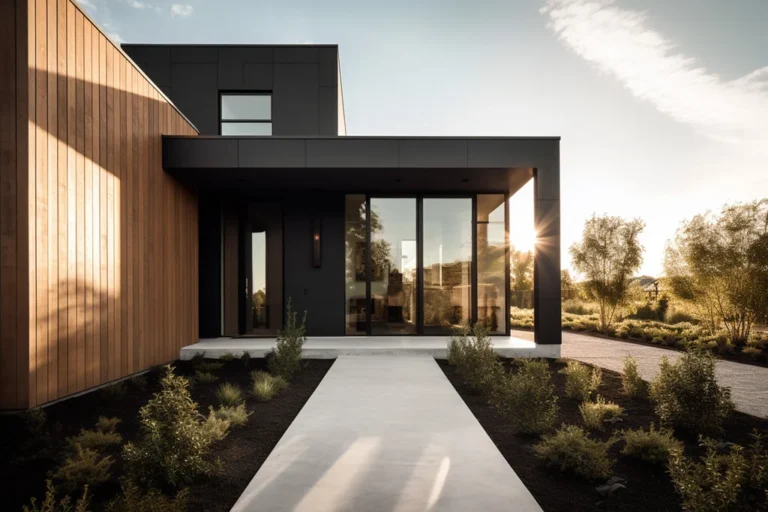
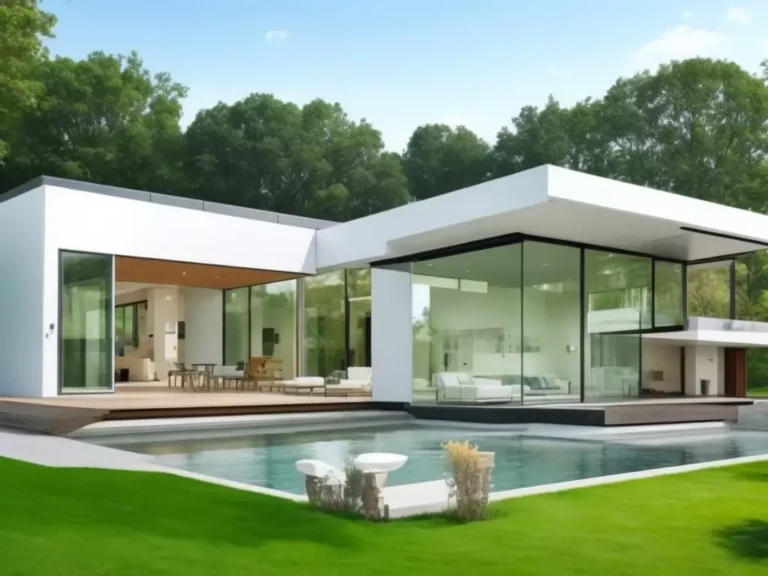
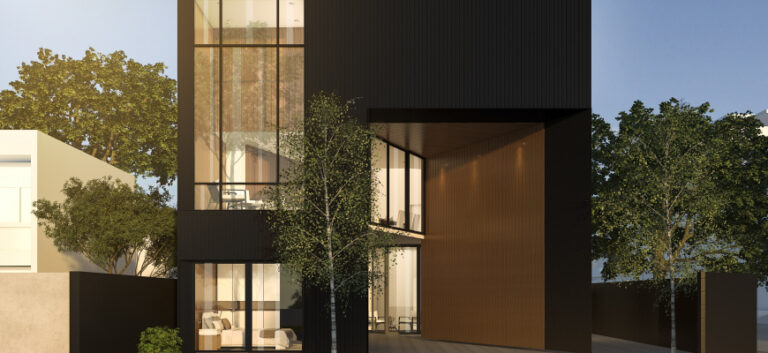
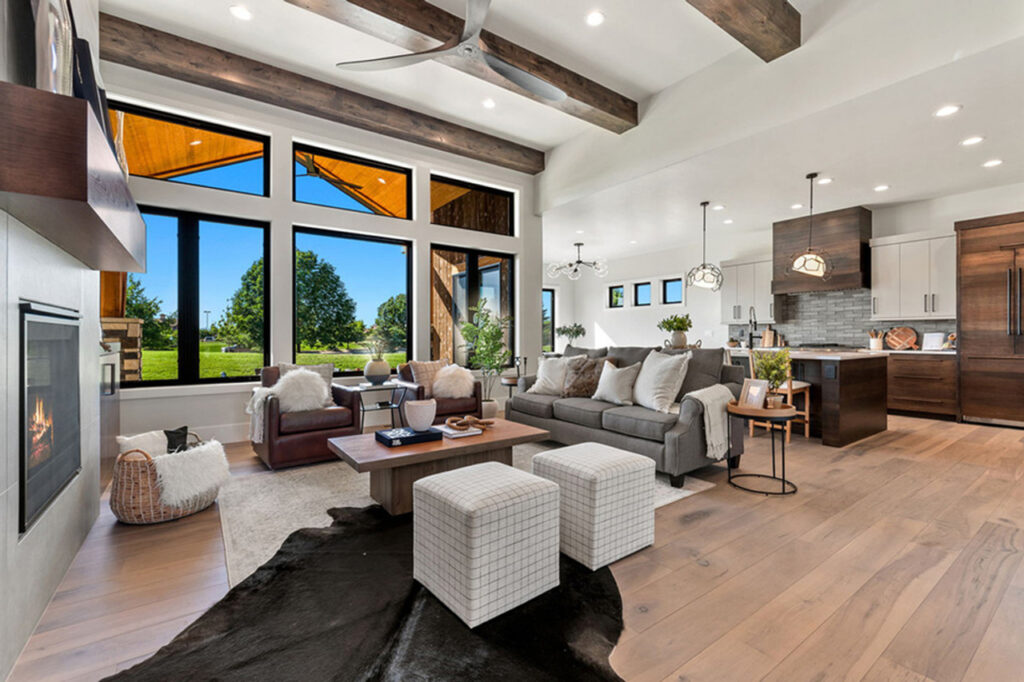
Modern luxury homes are defined by their sleek, minimalist architecture. Large glass walls, flat roofs, cantilevered structures, and expansive terraces are common features. These designs emphasize natural light, openness, and a sense of fluidity between indoor and outdoor spaces.
The use of materials like steel, concrete, wood, and glass enhances the modern aesthetic while maintaining structural strength. Architecture is not only visually striking but also engineered for efficiency, blending form and function seamlessly.
Interior Features
Inside, modern luxury homes are crafted with attention to detail. High ceilings, open-plan living areas, and state-of-the-art kitchens are staples. Bathrooms often resemble private spas, while entertainment areas may include home theaters, wine cellars, and game rooms.
Flexibility is also a hallmark. Many modern luxury homes are designed with multipurpose spaces that can serve as offices, libraries, or wellness studios. The interiors combine comfort with elegance, reflecting a lifestyle of refinement without unnecessary extravagance.
Technology Integration
Modern luxury homes stand out for their use of smart technology. Features like automated lighting, climate control, security systems, and entertainment hubs allow residents to manage their homes effortlessly.
AI-driven innovations such as biometric access, voice-activated assistants, and energy-efficient smart systems not only provide convenience but also ensure sustainability. These advancements make daily life more efficient and personalized, while also lowering long-term energy costs.
Real-World Examples of Modern Luxury Homes
Razor House, California
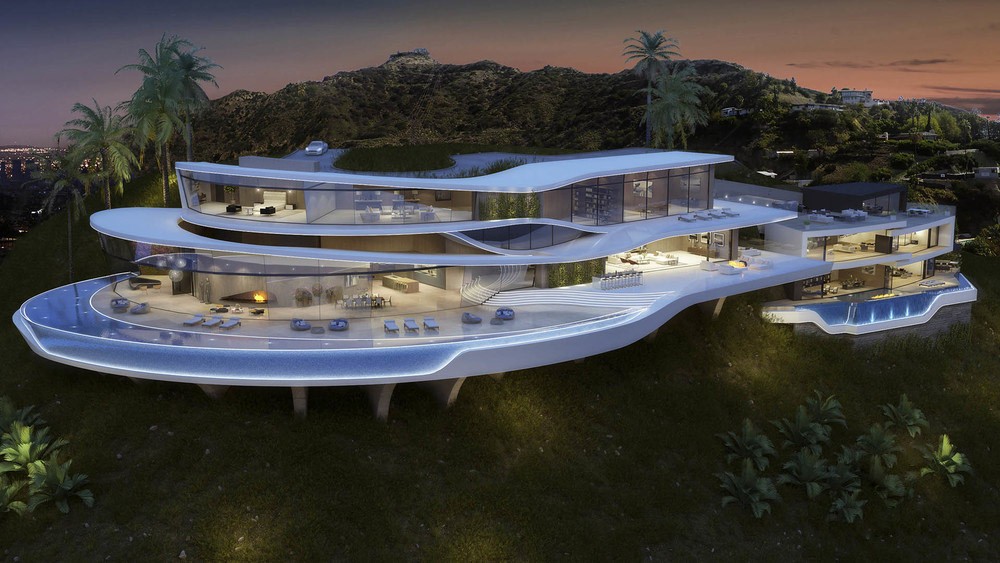
The Razor House in La Jolla, California, is an icon of modern residential architecture. Perched on dramatic cliffs overlooking the ocean, it features floor-to-ceiling glass walls that maximize panoramic views. Inside, the minimalist design blends polished concrete with sleek furnishings and high-tech features.
The Razor House exemplifies how modern luxury homes merge architectural boldness with natural surroundings. It is not just a residence but a landmark of innovation and sophistication.
The Glass Pavilion, Santa Barbara
The Glass Pavilion in Santa Barbara is one of the most transparent homes ever built. Its architecture eliminates barriers, with glass walls allowing complete immersion in the surrounding landscape. Despite its minimalist design, it includes lavish amenities such as a car museum and expansive entertainment spaces.
This property highlights how modern luxury homes are not only about comfort but also about redefining design boundaries. It embodies the principle that luxury can mean simplicity when executed with creativity and precision.
Villa Varois, French Riviera
Villa Varois on the French Riviera represents European modern luxury. With an infinity pool overlooking the Mediterranean, minimalist interiors, and energy-efficient systems, it balances indulgence with responsibility.
Its eco-conscious design demonstrates the growing importance of sustainability in luxury living. Villa Varois shows that modern luxury homes can be environmentally friendly while still offering elegance and exclusivity.
Antilia, Mumbai
Antilia, a 27-story vertical mansion in Mumbai, is among the most extravagant modern homes in the world. With multiple helipads, private theaters, and entire floors dedicated to recreation, it pushes the boundaries of scale and functionality.
This example reveals how modern luxury homes can take diverse forms from coastal villas to vertical skyscrapers while staying true to the core values of innovation, technology, and lifestyle enhancement.
Villa Amanzi, Thailand
Villa Amanzi in Phuket, Thailand, is built on a cliff overlooking the Andaman Sea. Its design emphasizes open-air living, with seamless transitions between interiors and panoramic ocean views. Smart cooling and lighting systems adapt to the tropical climate, offering both comfort and energy efficiency.
Villa Amanzi highlights how modern luxury homes adapt to their environment. It is a model of how architecture and nature can coexist beautifully while maintaining high standards of comfort.
Benefits of Modern Luxury Homes
Smart Technology for Comfort
One of the greatest benefits of modern luxury homes is the use of advanced technology. Automated systems for climate, lighting, and entertainment ensure a seamless living experience. Residents can control their homes remotely, adjusting settings to suit their preferences and lifestyles.
This not only enhances convenience but also increases energy efficiency. Personalized automation creates an environment that feels uniquely tailored to each homeowner.
Sustainable Living
Sustainability is now a cornerstone of modern luxury. Homes are often equipped with solar panels, water recycling systems, and energy-efficient appliances. These features reduce environmental impact while maintaining the high standards of luxury living.
Far from being a compromise, eco-friendly solutions have become an integral part of modern luxury, aligning opulence with responsibility.
Prestige and Exclusivity
Owning a modern luxury home is a symbol of success and refinement. These properties represent a lifestyle that combines comfort with sophistication. They serve as private sanctuaries, but also as venues for entertaining and socializing, reinforcing their prestige.
Adaptability and Flexibility
Modern luxury homes are designed to evolve with their residents. Flexible spaces allow rooms to change function as needed, adapting to shifts in lifestyle or family dynamics. This adaptability ensures long-term relevance and comfort.
Practical Use Cases of Modern Luxury Homes
A Private Retreat
Modern luxury homes provide solutions for those seeking tranquility in a busy world. Expansive gardens, wellness centers, and secluded spaces allow residents to escape from the pressures of urban living.
Remote Work and Productivity
With remote work becoming more common, modern luxury homes offer fully equipped offices and creative spaces. Advanced connectivity and smart systems ensure productivity without sacrificing comfort.
Hosting and Entertainment
Large entertainment zones, outdoor kitchens, and home theaters make these homes ideal for gatherings. They solve the challenge of combining social spaces with privacy, providing flexibility for both family life and entertaining guests.
Multigenerational Living
Modern luxury homes address the growing need for multigenerational housing. With guest wings, private suites, and shared recreational areas, they create inclusive environments where extended families can live together comfortably.
Frequently Asked Questions
1. What makes a modern luxury home different from a traditional luxury home?
Modern luxury homes prioritize minimalism, sustainability, and smart technology. Traditional luxury homes often emphasize ornate designs and grandeur, while modern versions focus on clean lines, efficiency, and environmental harmony.
2. Are modern luxury homes always large in size?
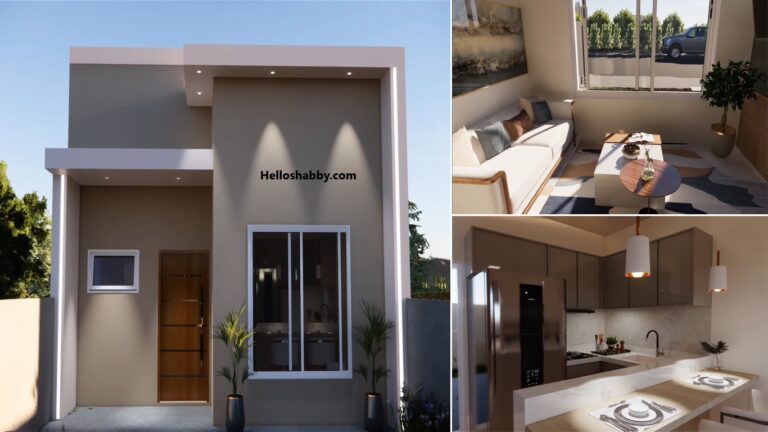
Not necessarily. While many are expansive, size is not the defining factor. A property may qualify as a modern luxury home if it integrates innovative design, high-quality materials, and advanced technology, regardless of square footage.
3. Why are modern luxury homes considered a valuable investment?
They combine architectural innovation, cutting-edge technology, and sustainability, making them highly attractive in the real estate market. These qualities ensure long-term demand and value appreciation.