Luxury Houses: In-Depth Guide, Features, Examples, and Modern Benefits
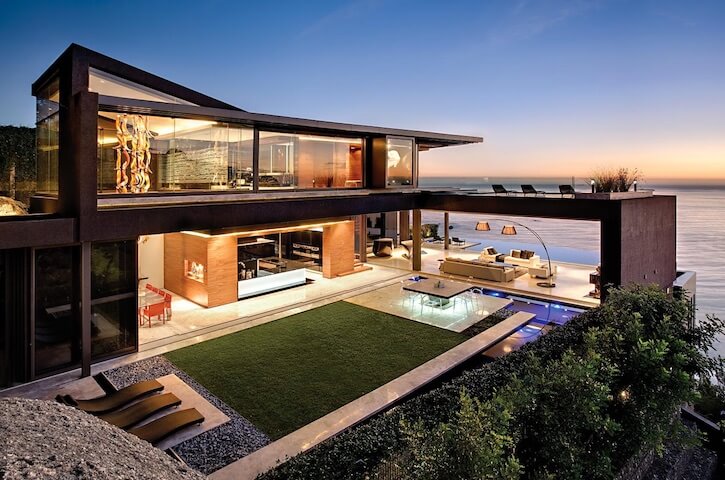
Luxury houses represent the finest standard in residential living. More than just dwellings, they are carefully designed statements of architectural mastery, exclusivity, and lifestyle refinement. These homes often combine extraordinary scale with carefully crafted details, showcasing both function and artistry.
Across the globe, luxury houses differ in size, style, and setting from ultra-modern urban mansions to sprawling countryside estates. However, what unites them is their ability to blend comfort, innovation, and exclusivity in a way that ordinary homes cannot match.
Key Characteristics of Luxury Houses
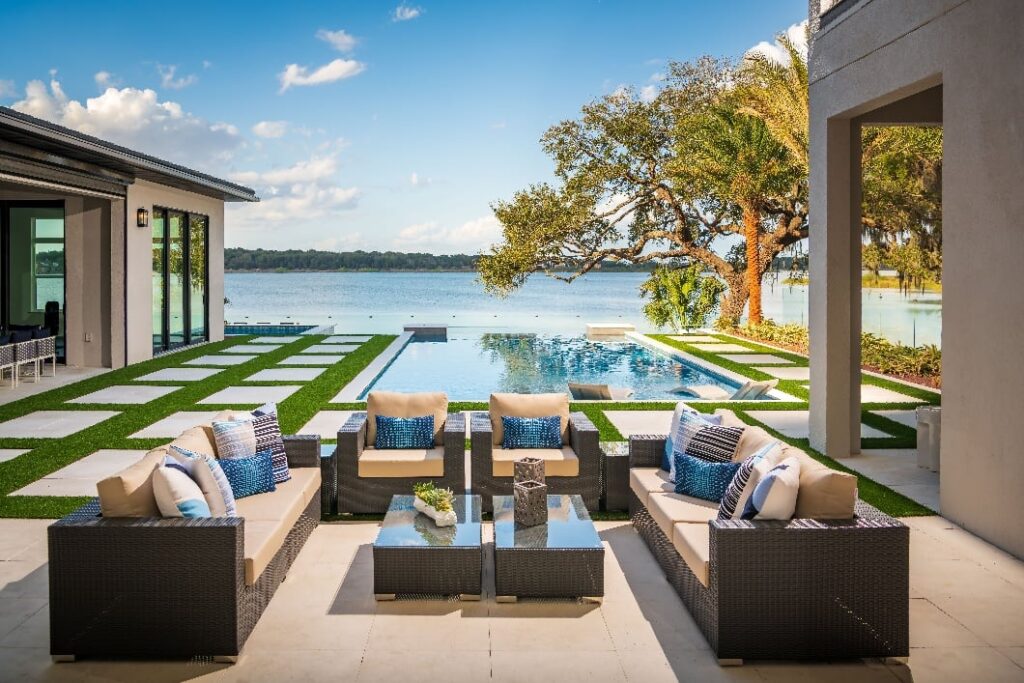
Luxury houses are defined not only by their price but by a collection of distinguishing features. These include architectural uniqueness, premium building materials, and large-scale layouts that cater to modern lifestyles.
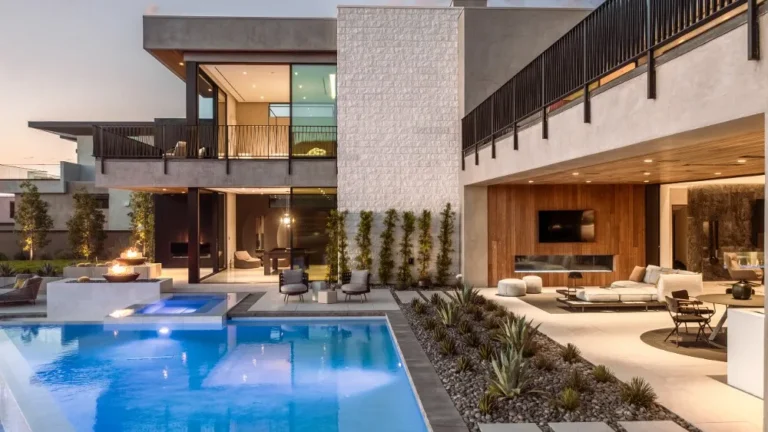
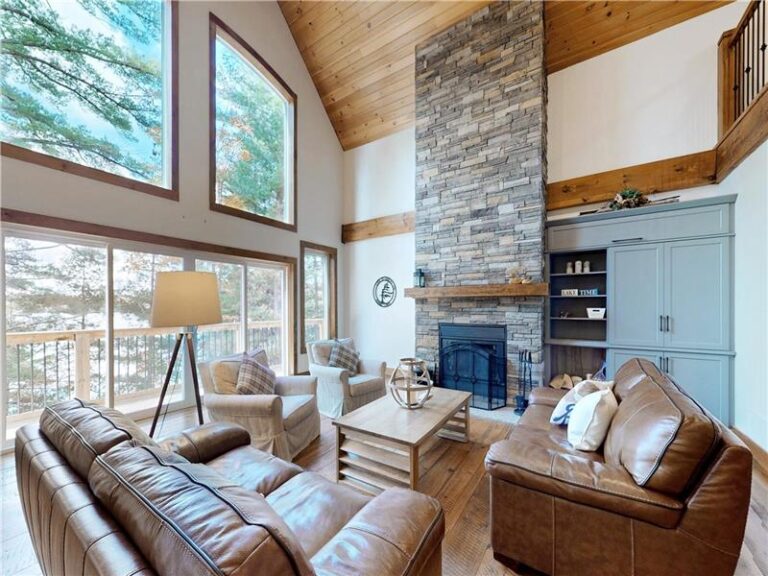
Such homes often feature high ceilings, open floor plans, imported finishes, custom-made furnishings, and expansive outdoor areas. The presence of private amenities like gyms, home theaters, wine cellars, and infinity pools further separates them from standard properties. Location also plays a defining role; waterfronts, scenic mountainsides, and prestigious urban districts often host the most sought-after luxury houses.
Real-World Examples of Luxury Houses
Example 1: Villa Leopolda, French Riviera
Villa Leopolda is an iconic estate situated on the French Riviera, renowned for its historic elegance and scenic beauty. Spanning vast gardens with sweeping Mediterranean views, this property epitomizes old-world luxury blended with timeless architecture.
What makes Villa Leopolda significant is its integration of outdoor and indoor opulence. With manicured gardens, grand halls, and exquisite detailing, it remains a reference point for what a classic luxury house represents in terms of status and heritage.
Example 2: The One, Bel Air, Los Angeles
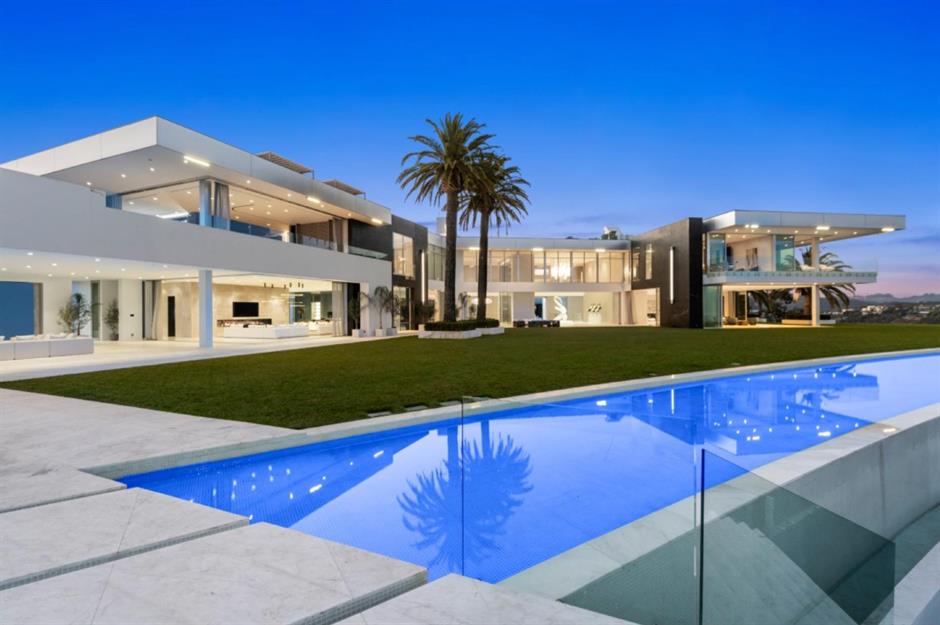
The One in Los Angeles is among the largest and most extravagant luxury houses in the world. With a design emphasizing ultra-modern architecture, this estate includes multiple pools, a bowling alley, a private cinema, and panoramic city views.
This property demonstrates how luxury houses evolve with contemporary demands. Its open spaces, seamless glass walls, and advanced technological integration highlight the importance of design innovation in modern luxury living.
Example 3: Antilia, Mumbai
Antilia, the residence of industrialist Mukesh Ambani, redefines the concept of a luxury house. Rising 27 stories high, it is a vertical mansion equipped with helipads, entertainment halls, spa facilities, and a private temple.
Unlike many sprawling estates, Antilia showcases how vertical architecture can embody luxury living. It combines cultural symbolism with technological sophistication, making it one of the most distinctive luxury houses globally.
Example 4: Updown Court, Surrey, England
Updown Court in Surrey is a massive California-style mansion that merges modern luxury with classical elegance. Featuring more than 100 rooms, multiple swimming pools, and private suites, it exemplifies scale and exclusivity.
Its design highlights the importance of customization in luxury housing. Beyond size, it offers residents an environment tailored for leisure, privacy, and entertainment, all within a private countryside setting.
Example 5: Malibu Coastal Villas
The luxury villas of Malibu offer oceanfront living at its finest. Known for their floor-to-ceiling windows, private decks, and beachfront access, these properties embody the harmony between natural beauty and upscale living.
These houses showcase how luxury is not only about grandeur but also about serenity. Their minimalist yet elegant design proves that exclusivity can be achieved through simplicity, location, and architectural balance.
Technology in Luxury Houses
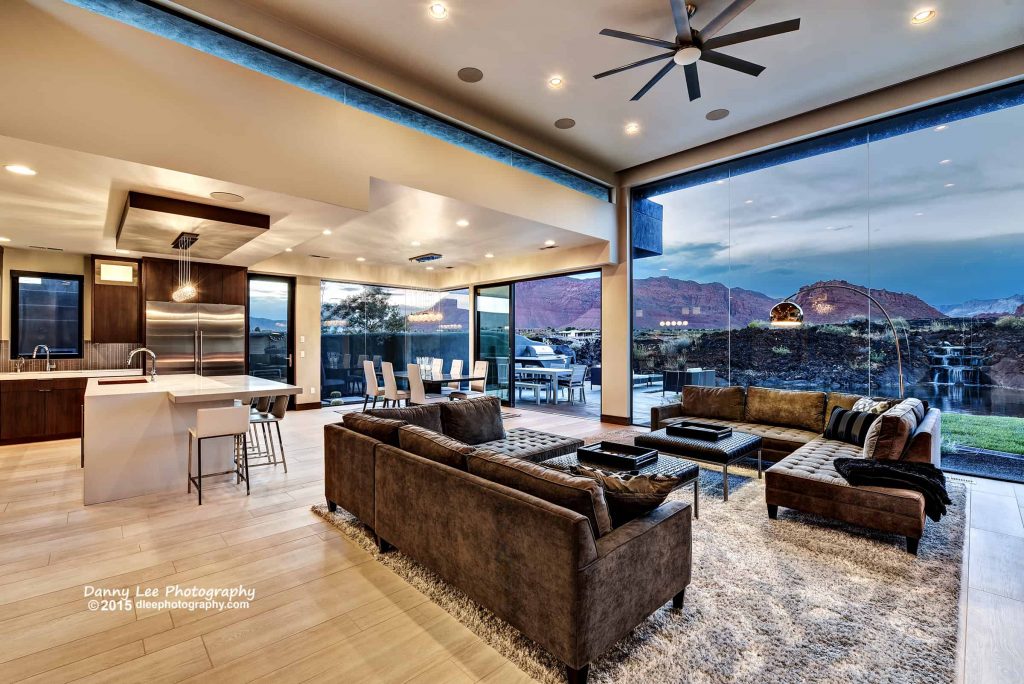
Modern luxury houses have embraced technology as a cornerstone of their design. Smart home systems are now essential, allowing residents to control lighting, temperature, and security with a single device. Advanced security features such as biometric access and AI-powered surveillance further enhance safety and exclusivity.
Sustainability has also become central. Solar panels, energy-efficient heating, and water recycling systems make luxury homes environmentally conscious while reducing long-term operational costs. Entertainment systems, immersive theaters, and AI-driven appliances further illustrate how technology elevates everyday living in these residences.
Benefits of Living in Luxury Houses
Living in a luxury house brings numerous benefits that go far beyond size and design. The foremost advantage is privacy, often provided by gated access, secluded locations, or vast land areas that separate homeowners from surrounding properties.
Comfort and convenience are equally essential. Luxury houses are designed with every possible amenity in mind, from spa-like bathrooms to gourmet kitchens. They also create an environment of prestige, symbolizing social status and offering a sense of pride for homeowners.
Use Cases of Luxury Houses in Real Life
Luxury houses serve versatile purposes depending on lifestyle needs:
-
For Business Leaders: These homes often double as professional spaces, enabling owners to host meetings, events, or private gatherings in a refined environment.
-
For Families: With multiple living areas, outdoor recreation, and high-security features, luxury houses cater to the well-being of every family member.
-
For Wellness Enthusiasts: Gyms, spas, and meditation rooms create health-focused spaces that promote physical and mental balance.
-
For Retirees: Downsizing from multiple properties into a single luxury house ensures convenience without sacrificing comfort or exclusivity.
These use cases prove that luxury houses are more than showpieces; they provide functional value tailored to individual lifestyles.
Why Luxury Houses Stay in Demand
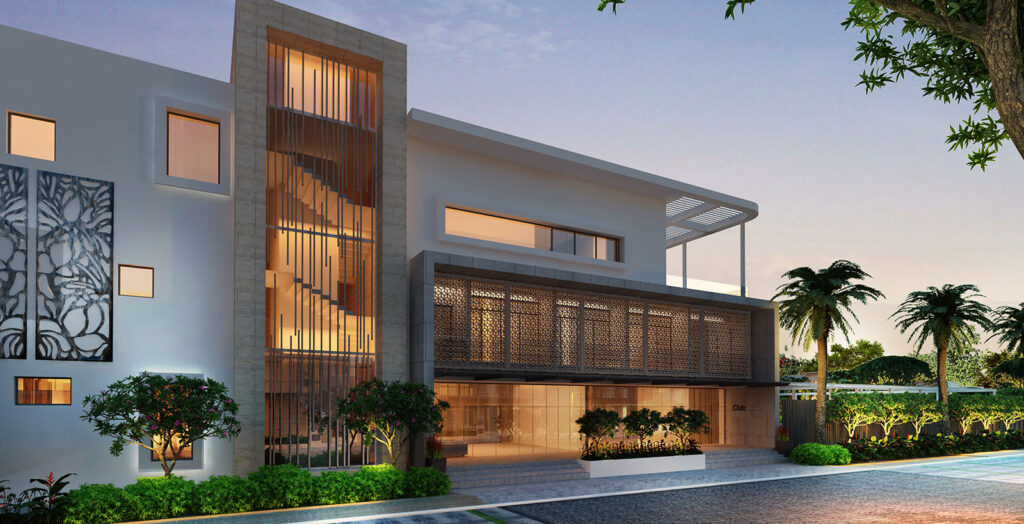
Luxury houses remain in demand because they are not just properties but lifestyle investments. They offer unparalleled exclusivity, advanced technology, and long-term value. In an era of remote work and increasing emphasis on personal wellness, homeowners are seeking residences that meet multiple needs within one property.
The blend of architecture, functionality, and status makes luxury houses enduringly appealing. Whether as primary residences, vacation estates, or legacy investments, they continue to define the future of upscale living.
Frequently Asked Questions
1. What makes a house “luxury”?
A house qualifies as luxury if it combines premium design, exclusive location, high-end amenities, and architectural uniqueness. Price alone does not define luxury; it is the complete lifestyle package.
2. Are luxury houses only found in urban areas?
No. While cities host many luxury houses, they are also prevalent in coastal regions, mountain retreats, and countryside estates. Location adds context, but exclusivity is the defining factor.
3. How does technology improve luxury houses?
Technology enhances convenience, safety, and sustainability. From smart home systems and energy efficiency to advanced security and immersive entertainment, technology is a cornerstone of modern luxury houses.