Local Architects: Importance, Benefits, and Real-World Examples in Modern Design
Local architects play a crucial role in shaping the built environment of communities. Unlike large, global firms that may lack contextual insight, local architects understand the cultural, environmental, and regulatory nuances of the area where they work. Their knowledge allows them to design buildings and spaces that not only meet functional requirements but also reflect the identity of their communities.
From residential homes to commercial buildings, the expertise of local architects often ensures that projects are more cost-effective, sustainable, and culturally relevant. Their deep understanding of zoning laws, climate conditions, and community needs makes them indispensable in modern architecture.
The Role and Value of Local Architects
Local architects are more than just designers; they are problem-solvers and visionaries who translate client ideas into functional and aesthetic structures. By engaging with local resources, they provide designs that respect the environment and the cultural context of their surroundings.
They also serve as guides throughout the entire building process, from initial concepts and planning permissions to construction oversight. Because they are situated in the community, communication with clients is often easier, ensuring projects are more aligned with expectations and completed efficiently.
Key Characteristics of Local Architectural Design
Community Connection
Local architects often have a strong connection with the communities they serve. This allows them to design spaces that resonate with local culture, values, and traditions. A house designed by a local architect might integrate regional materials or construction techniques, creating a sense of belonging.
Knowledge of Local Regulations and Environment
Building codes, zoning restrictions, and climate challenges vary significantly across regions. Local architects bring expertise in navigating these complexities, ensuring that projects comply with regulations and are adapted to environmental conditions like heat, humidity, or seismic activity.
Sustainable and Contextual Design
Because they understand local ecosystems, many local architects prioritize sustainable practices. They may recommend native landscaping, passive ventilation strategies, or materials sourced locally, minimizing environmental impact and enhancing resilience.
Real-World Examples of Local Architects in Action
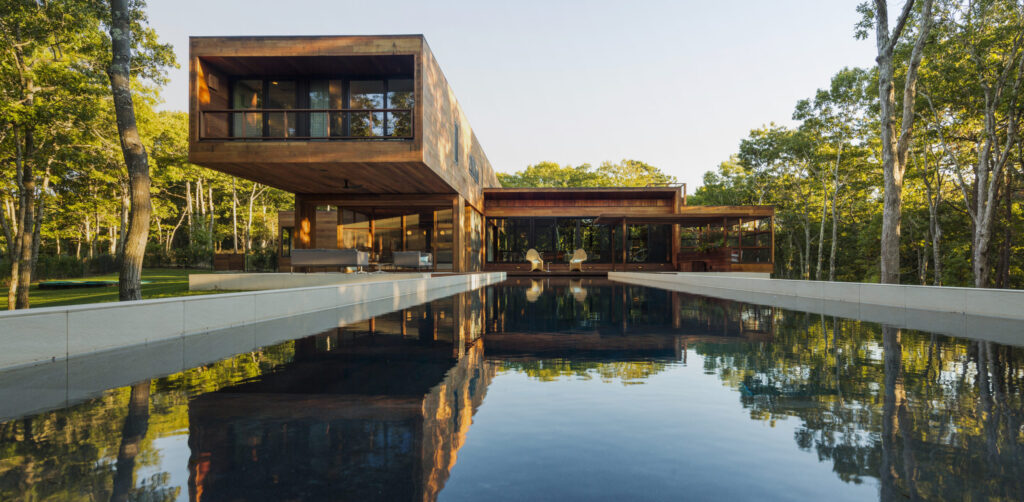
Example 1: A Coastal Residence by a Local Architect
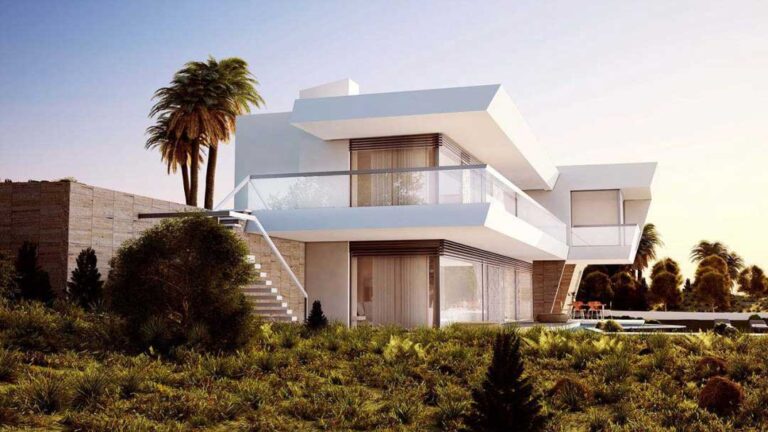
A local architect working in a coastal town designed a residence that blends modern design with natural resilience. By using salt-resistant materials and elevated structures, the home remains safe from rising tides and salt corrosion. Large windows capture ocean views, while shaded verandas provide natural cooling.
This project showcases how local architects integrate environmental considerations unique to their area. Unlike generic designs, the house adapts to its setting while offering comfort and beauty.
Example 2: Community Library Designed by a Local Firm
A local architecture firm designed a community library in a suburban town, focusing on accessibility and cultural representation. The design incorporated recycled bricks sourced from local demolitions and integrated green roofs to manage stormwater naturally.
The library not only functions as an educational space but also stands as a cultural landmark. Its design reflects the town’s history while addressing modern needs like digital learning hubs and flexible meeting spaces.
Example 3: Sustainable Mountain Cabin
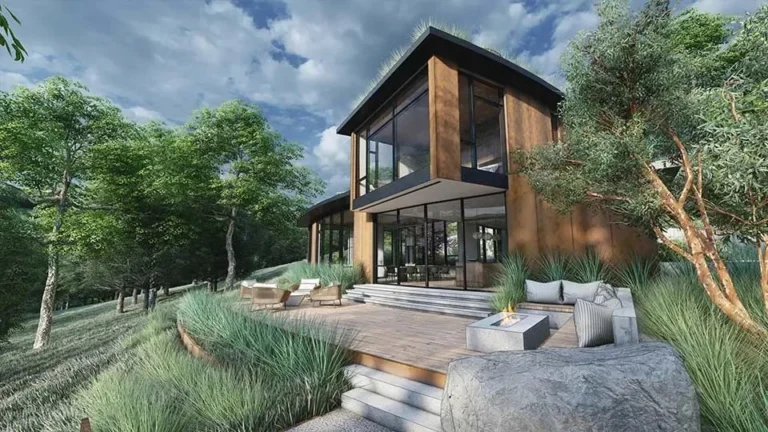
In a mountainous region, a local architect created a cabin that blends seamlessly with its rugged environment. The use of locally sourced timber, passive solar heating, and sloped roofs for snow management makes the cabin both practical and eco-friendly.
This example illustrates how local architects combine tradition with innovation. Instead of importing foreign materials or relying on standardized solutions, the design celebrates the unique qualities of its location.
Example 4: Adaptive Reuse of a Historic Building
A historic warehouse in a small city was transformed into a vibrant co-working space by a team of local architects. They preserved the building’s industrial character by maintaining exposed brick walls and steel beams while integrating modern amenities like energy-efficient lighting and advanced HVAC systems.
This project demonstrates how local architects respect heritage while adapting structures for modern use. Their sensitivity to cultural history made the redevelopment successful and widely accepted by the community.
Example 5: Local School Project with Climate-Responsive Design
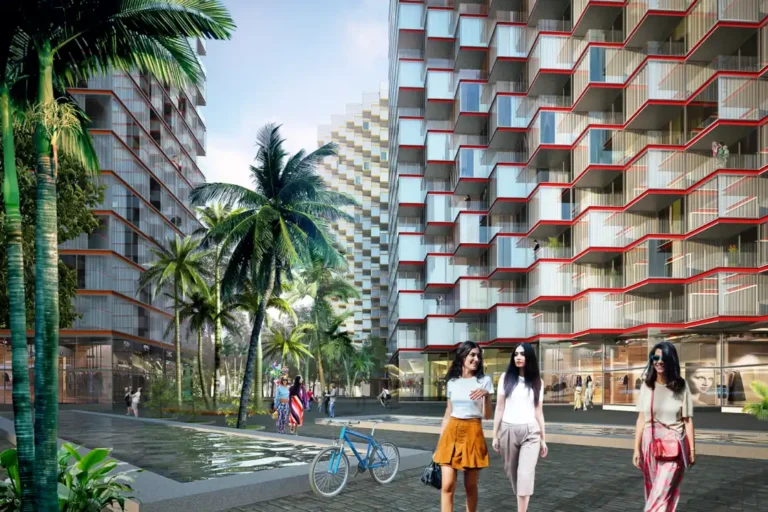
In a tropical region, local architects designed a school that relies on natural ventilation, shaded courtyards, and rainwater harvesting systems. The use of bright colors and open spaces creates a welcoming environment for students while reducing dependence on air conditioning.
This design highlights the benefit of local expertise in addressing climate challenges through innovative yet context-specific solutions.
Benefits of Working with Local Architects
Better Communication and Accessibility
Because they live in the same community, local architects are more accessible for face-to-face meetings, site visits, and consultations. This ensures smoother communication and faster resolution of project concerns.
Cost-Effective Solutions
Local architects often have connections with local contractors and suppliers, which can reduce material costs and streamline construction processes. Their familiarity with the market helps clients make informed decisions.
Sustainability and Environmental Fit
By using locally sourced materials and designs tailored to the environment, local architects contribute to more sustainable projects. This approach reduces carbon footprints and supports local economies.
Cultural and Aesthetic Relevance
Buildings designed by local architects often resonate more with their surroundings. They reflect local traditions, heritage, and values, enhancing community identity.
Practical Use Cases of Local Architects
Use Case 1: Residential Projects
Local architects are invaluable in creating homes suited to regional climates and lifestyles. Whether it’s a farmhouse, townhouse, or modern villa, their expertise ensures comfort and durability.
Use Case 2: Commercial Developments
Businesses benefit from local architects’ ability to design spaces that align with zoning laws and community expectations. Retail centers, offices, and restaurants often thrive when their design integrates with the local environment.
Use Case 3: Public Infrastructure
Local architects are often called upon to design schools, hospitals, and government buildings. Their knowledge ensures these projects are functional, accessible, and culturally meaningful.
Use Case 4: Heritage Preservation
Historic buildings require sensitive handling. Local architects are well-equipped to balance preservation with modernization, ensuring heritage is respected while allowing new functionality.
Frequently Asked Questions
1. Why should I hire a local architect instead of a larger firm?
Local architects bring contextual knowledge, accessibility, and cultural sensitivity to projects. They understand local regulations and environments better than global firms, which can save time and money while ensuring meaningful design.
2. Can local architects handle large-scale projects?
Yes, many local architects and firms are experienced in handling both small and large projects. Their advantage lies in tailoring solutions to regional requirements, which can be particularly valuable in complex developments.
3. How do local architects promote sustainability?
Local architects often use regionally sourced materials, passive design strategies, and climate-responsive techniques. These approaches reduce environmental impact and create buildings that are better suited to their surroundings.