Frank Lloyd Wright Houses: Design, Legacy, and Real-World Examples
Frank Lloyd Wright’s houses are celebrated worldwide as masterpieces of architectural innovation and harmony with nature. Wright, one of the most influential architects of the 20th century, revolutionized American residential design with his concepts of organic architecture and the seamless integration of buildings with their environment. His homes are admired for their natural materials, open layouts, and timeless aesthetic.
From the sweeping horizontal lines of the Prairie style to the affordability-driven Usonian homes, Frank Lloyd Wright’s designs continue to inspire architects and homeowners today. Each of his houses tells a story of innovation, functionality, and artistic vision that has left an indelible mark on modern architecture.
The Design Philosophy Behind Frank Lloyd Wright Houses
Organic Architecture and Natural Harmony
Wright’s concept of organic architecture was rooted in the idea that buildings should blend seamlessly with their environment. He used natural materials such as stone, wood, and brick, often sourcing them from the surrounding landscape. His designs emphasized flowing spaces, natural light, and a strong connection between indoors and outdoors.
This philosophy can be seen in many of his houses, where windows extend across walls, gardens are incorporated into layouts, and materials echo the tones of the surrounding environment. The result is a home that feels alive, connected, and enduring.
Innovation in Layout and Function
Unlike traditional homes of his time, Wright’s houses broke away from compartmentalized floor plans. He introduced open-plan living spaces that encouraged family interaction and fluid movement. By eliminating unnecessary walls and integrating furniture into the architecture itself, Wright designed homes that felt expansive, functional, and deeply personal.
Key Architectural Styles in Wright’s Houses
Prairie Style
Wright’s Prairie style homes were defined by long, horizontal lines, flat or hipped roofs, and bands of windows. These homes emphasized harmony with the Midwestern landscape, appearing to rise naturally from the earth. Prairie houses also introduced central fireplaces and wide, open living spaces, influencing countless future designs.
Usonian Homes
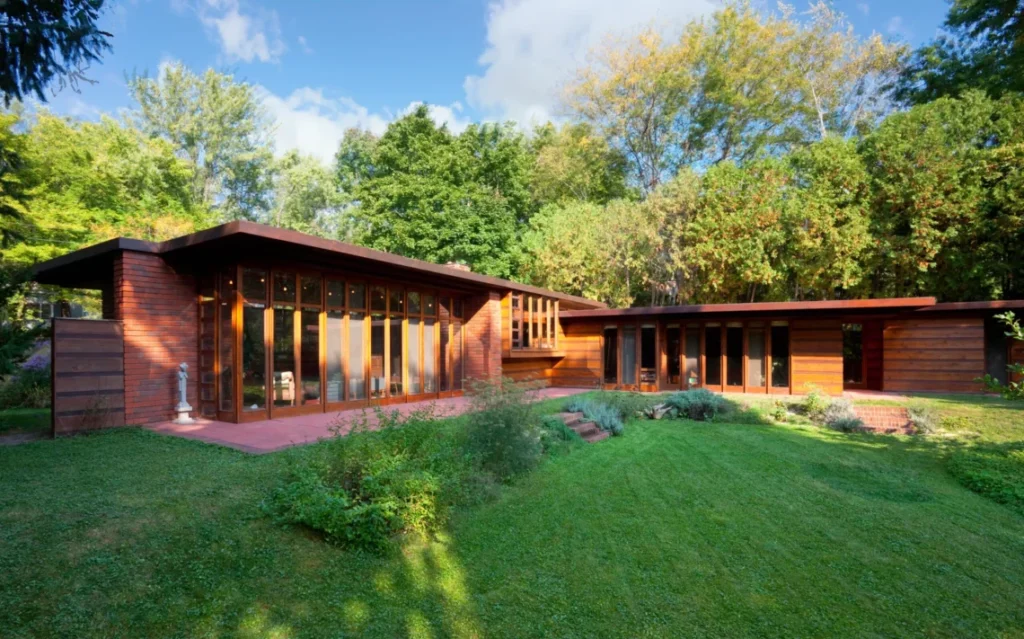
Later in his career, Wright developed Usonian homes as affordable, efficient residences for middle-class families. These homes were smaller, single-story, and made with simplified construction techniques. Despite their modest scale, they retained Wright’s signature emphasis on light, open spaces, and integration with nature.
Unique Experimental Projects
Beyond his main styles, Wright experimented with circular designs, cantilevers, and custom materials. Each house was unique, crafted to reflect both its environment and its occupants. His willingness to innovate ensured that his work remained ahead of its time.
Real-World Examples of Frank Lloyd Wright Houses
Example 1: Fallingwater
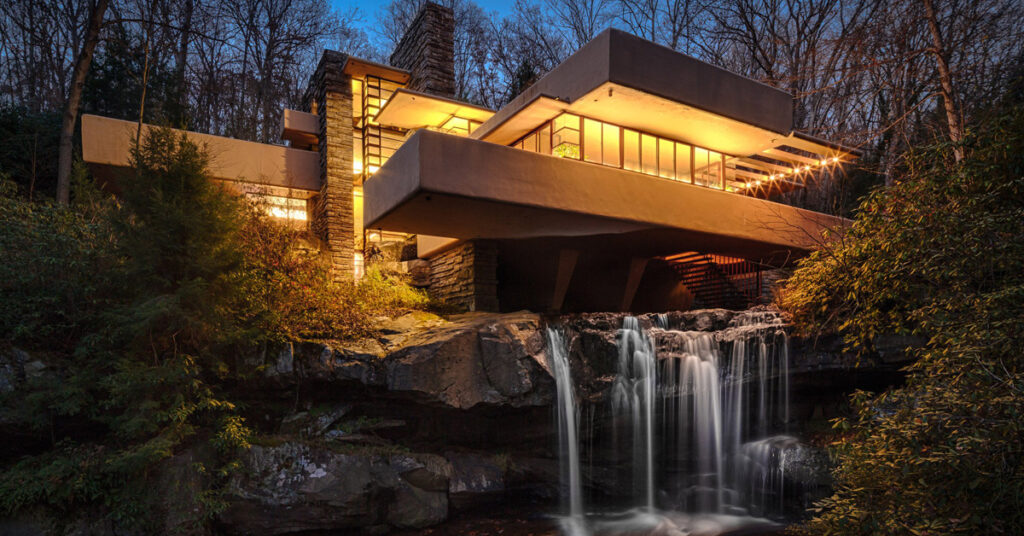
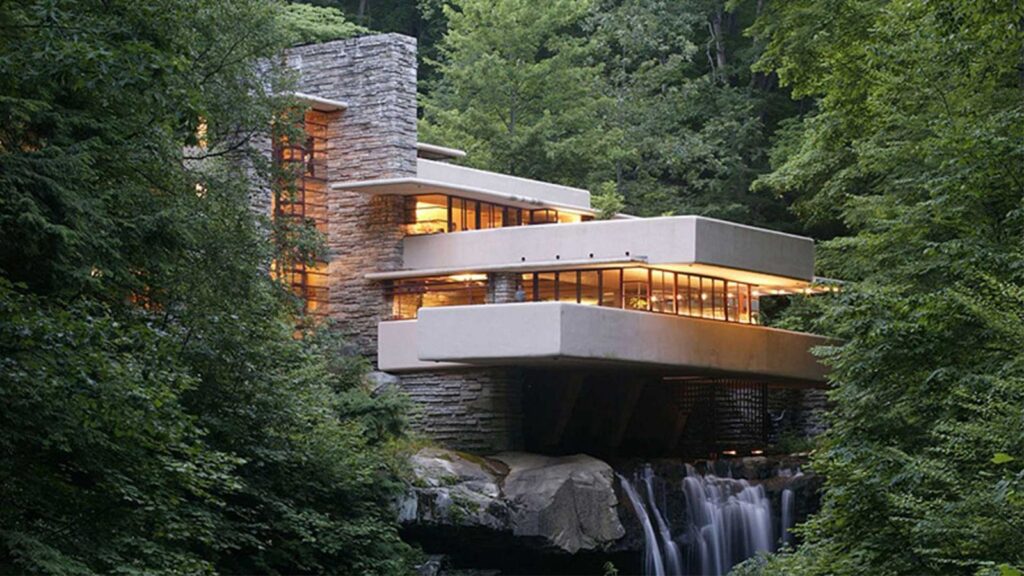
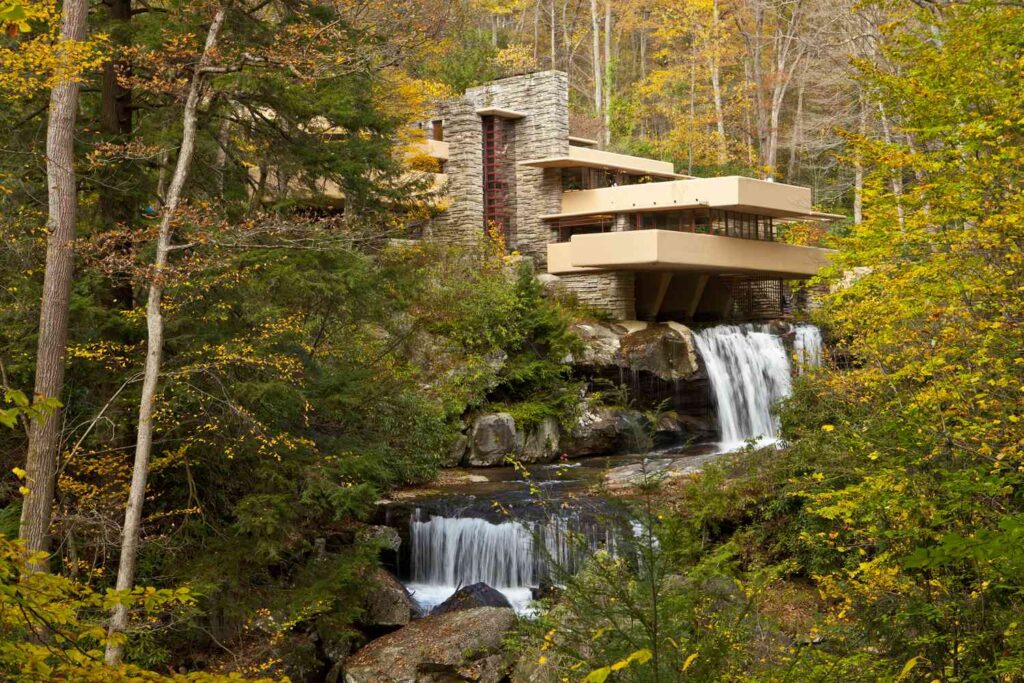
Perhaps the most famous of all Frank Lloyd Wright houses, Fallingwater in Pennsylvania, is considered a masterpiece of modern architecture. Designed in 1935 for the Kaufmann family, the home is built directly over a waterfall, blending structure and nature in an unprecedented way.
The cantilevered terraces stretch out over the rushing water, while natural stone walls rise directly from the rock below. Fallingwater is a profound example of Wright’s vision of organic architecture, where the house does not dominate the landscape but becomes a part of it.
Example 2: The Robie House
Located in Chicago, the Frederick C. Robie House is the definitive example of Wright’s Prairie style. Completed in 1910, its long horizontal lines, overhanging eaves, and ribbon windows embody the essence of this architectural movement.
The interior features flowing spaces centered around a massive hearth, a hallmark of Wright’s designs. The Robie House remains one of the most studied and admired examples of early modern residential architecture in America.
Example 3: Taliesin
Taliesin, located in Spring Green, Wisconsin, was Wright’s personal home, studio, and laboratory of design. Over the course of decades, he rebuilt and reimagined the property several times after devastating fires, making it an evolving showcase of his architectural philosophies.
The estate incorporates farmland, rolling hills, and natural stone, serving as a model of his organic design principles. Taliesin was not just a home but also a creative hub where many of Wright’s students and apprentices learned the craft of architecture.
Example 4: Kentuck Knob
Situated near Fallingwater, Kentuck Knob demonstrates Wright’s Usonian principles on a more modest scale. Built in 1956, the hexagonal design of the house embraces simplicity, affordability, and connection with the surrounding landscape.
Despite its smaller footprint, Kentuck Knob feels spacious due to its open layout and clever use of light. The home illustrates Wright’s belief that beauty and functionality could be accessible to all, not just the wealthy elite.
Example 5: The Ennis House
The Ennis House, built in Los Angeles in 1924, is a striking departure from Wright’s Prairie style. Inspired by ancient Mayan temples, it is constructed from concrete blocks featuring intricate geometric patterns.
The house has been featured in numerous films and television shows, making it one of Wright’s most iconic cultural contributions. Its dramatic, fortress-like design showcases Wright’s experimental spirit and willingness to push architectural boundaries.
Benefits of Frank Lloyd Wright Houses in the Modern Context
Timeless Design and Aesthetic Appeal
The enduring popularity of Wright’s houses lies in their timeless beauty. Their natural materials, integration with surroundings, and flowing interiors continue to inspire contemporary architects and homeowners alike.
Sustainability and Environmental Fit
Wright’s emphasis on organic architecture was ahead of his time. His homes often relied on passive cooling, natural lighting, and local materials, principles that align with today’s sustainable building practices.
Influence on Modern Architecture
Many of the features we now take for granted, open floor plans, built-in furniture, and large glass expanses, were pioneered by Wright. His innovations remain relevant, influencing both residential and commercial architecture around the world.
Enhanced Quality of Life
Living in a Wright-designed home often means being surrounded by beauty, light, and harmony. His designs foster connection with nature and encourage open, communal living spaces that improve daily life.
Practical Use Cases and Relevance Today
Use Case 1: Inspiration for Contemporary Homes
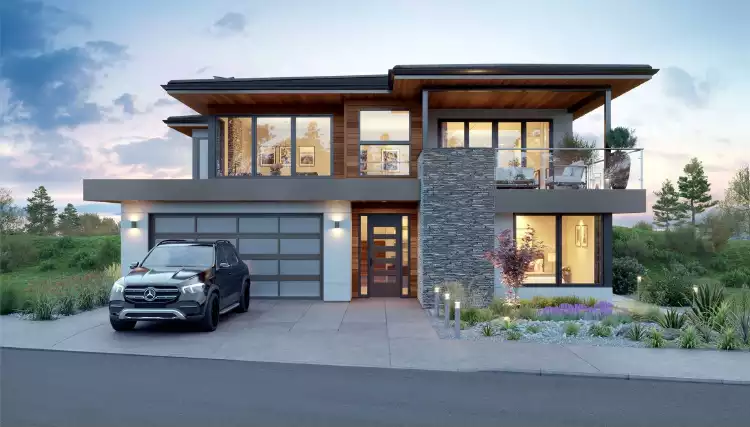
Modern architects and designers often draw inspiration from Wright’s work when creating new residential projects. His integration of nature and modern function continues to serve as a model for sustainable living.
Use Case 2: Educational Value for Architecture Students
Frank Lloyd Wright’s houses are studied extensively in architecture schools as examples of innovation, functionality, and design philosophy. Students learn from his ability to merge artistic vision with practical needs.
Use Case 3: Preservation and Tourism
Many Wright houses are preserved as museums and landmarks. They attract visitors worldwide, educating the public about architecture while supporting cultural tourism and heritage preservation.
Use Case 4: Urban and Suburban Planning
Wright’s Usonian homes in particular serve as models for affordable, functional housing that remains relevant in urban planning today. Communities continue to apply his ideas of accessibility and efficiency.
Frequently Asked Questions
1. How many Frank Lloyd Wright houses still exist today?
More than 400 Wright-designed houses remain standing, each representing a different phase of his architectural career and philosophy. Many are preserved as historic landmarks.
2. What makes Frank Lloyd Wright’s houses unique compared to those of other architects?
Wright’s emphasis on organic architecture, integration with nature, open floor plans, and innovative use of materials set his houses apart. His designs combined beauty with practicality in ways that were revolutionary for his time.
3. Are Frank Lloyd Wright houses still influential in modern design?
Yes. Contemporary architects often reference Wright’s principles of harmony, sustainability, and functionality. His concepts remain deeply influential in both residential and commercial architecture.