Frank Lloyd Wright: Visionary Architect, Timeless Designs, and Enduring Influence
Frank Lloyd Wright is recognized as one of the greatest architects of all time, a figure whose philosophy and creations forever changed the way we think about space, design, and the relationship between people and nature. He was not merely an architect but a visionary who brought together art, innovation, and practicality into structures that continue to inspire the world.
Over a career spanning more than seven decades, Wright designed more than 1,000 structures, with around 500 built. His ideas and buildings have influenced countless architects, engineers, and designers, making him a central figure in the story of modern architecture. His work bridges tradition and modernity, reflecting a timeless vision that remains relevant in today’s sustainable and technology-driven world.
Frank Lloyd Wright’s Architectural Philosophy
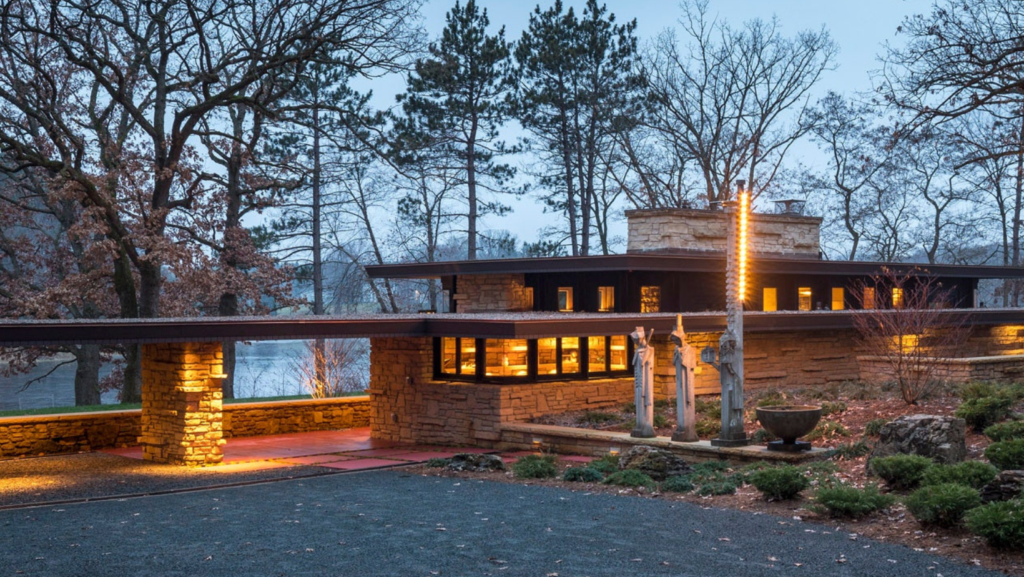
At the heart of Wright’s philosophy was his belief in “organic architecture.” This concept emphasized that buildings should exist in harmony with their surroundings rather than disrupt them. He viewed architecture not as isolated structures but as living organisms that should grow naturally out of their environments.
Wright’s use of natural materials, open floor plans, and designs that connected the interior with the exterior were radical during his time. He wanted architecture to be human-centered, blending beauty with function. His structures often feature wide horizontal lines, large windows, and flowing spaces that reflect the landscapes they inhabit. This approach was not just about aesthetics; it was a holistic design principle aimed at enhancing the human experience within a space.
Early Life and Career Foundations
Born in 1867 in Richland Center, Wisconsin, Frank Lloyd Wright grew up surrounded by the landscapes of the Midwest, which influenced his lifelong connection to nature. His early exposure to geometry, art, and music encouraged by his family also played a significant role in shaping his creative vision.
Wright apprenticed at Adler & Sullivan in Chicago, where he was influenced by the famous architect Louis Sullivan, known as the “father of skyscrapers.” Sullivan’s belief in “form follows function” resonated deeply with Wright, who took the principle further by weaving it into his philosophy of organic design. This early experience gave Wright both the technical foundation and the inspiration to develop his own distinctive voice in architecture.
Real-World Examples of Frank Lloyd Wright’s Masterpieces
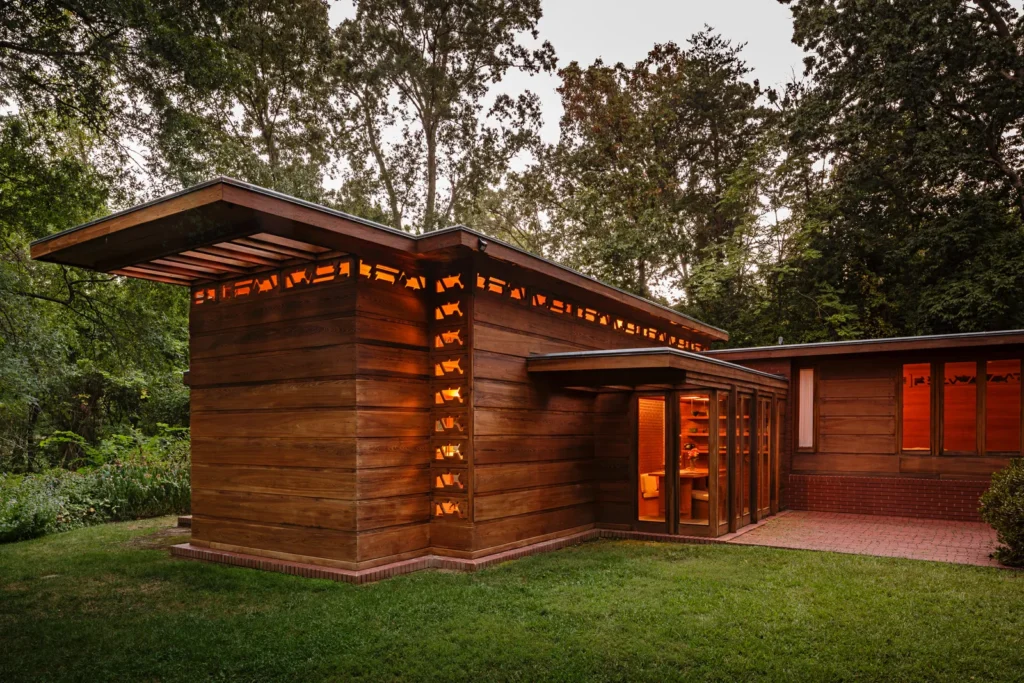
Fallingwater (1935)
Fallingwater, located in Mill Run, Pennsylvania, is arguably Wright’s most famous work and a true representation of his organic architecture. The house was built directly over a natural waterfall, creating a seamless blend between the man-made and the natural. Its cantilevered balconies extend dramatically over the stream, while its stone and concrete structures appear to rise directly from the rocks.
The significance of Fallingwater lies not only in its stunning appearance but also in its revolutionary design approach. Wright achieved a balance between modern architecture and environmental respect long before sustainability became a global concern. It is often cited as one of the greatest examples of 20th-century architecture.
Guggenheim Museum (1959)
The Solomon R. Guggenheim Museum in New York City remains one of the most recognizable and beloved cultural institutions in the world. Completed just months after Wright’s death, the building represents a radical departure from traditional museum layouts. Instead of boxy galleries, Wright designed a spiraling ramp that leads visitors upward in a continuous journey through art.
This bold design was not only innovative in form but also highly functional. The spiral allowed for a fluid experience, breaking the monotony of conventional gallery visits. The Guggenheim’s influence extended beyond architecture into the realm of museum design, inspiring institutions around the world to rethink how space impacts art appreciation.
Robie House (1910)
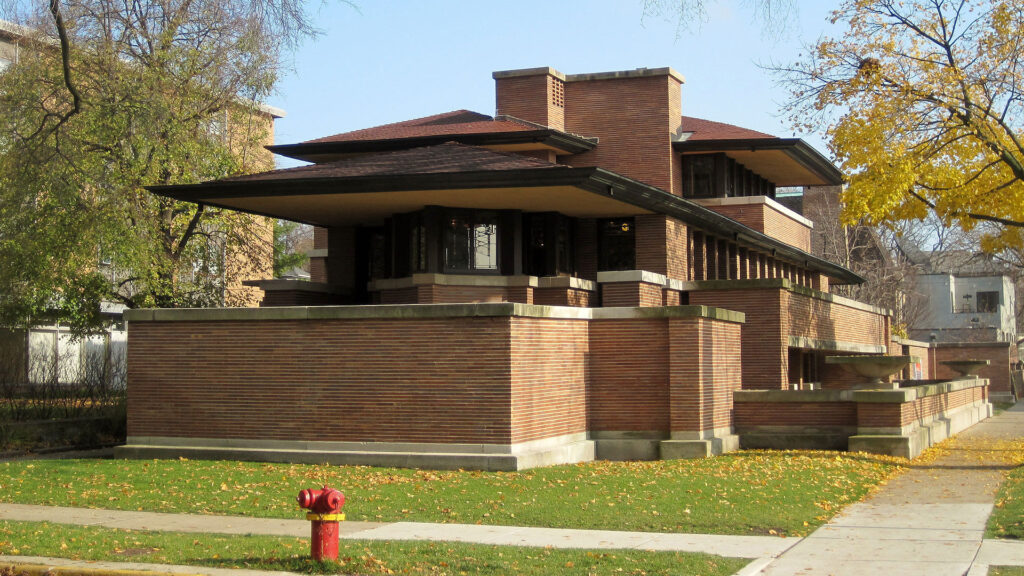
The Robie House in Chicago is a prime example of Wright’s Prairie School style. Its long horizontal lines, flat roofs, and deep overhangs reflect the expansive Midwestern landscape. Wright’s integration of open floor plans, built-in furniture, and extensive windows made the house ahead of its time.
Robie House is particularly important because it influenced modern residential architecture. Many principles used in suburban homes today such as open layouts and indoor-outdoor connectivity can be traced back to Wright’s ideas here. The home remains a benchmark for innovation in American domestic architecture.
Taliesin (1911)
Taliesin, located in Spring Green, Wisconsin, was Wright’s personal home, studio, and school. It served as his laboratory for architectural experimentation, where he refined many of his groundbreaking ideas. Over time, Wright rebuilt and remodeled Taliesin several times, making it a living reflection of his evolving vision.
The importance of Taliesin goes beyond architecture. It became a creative hub for students and apprentices, many of whom went on to become leading architects themselves. Taliesin symbolizes Wright’s commitment to education, mentorship, and the lifelong pursuit of architectural innovation.
Benefits of Wright’s Use of Technology and Design Innovations
Wright was a pioneer in integrating new technology into his designs. One of his most notable contributions was the use of reinforced concrete and steel, which allowed him to create expansive open spaces and daring cantilevers like those seen in Fallingwater. His early adoption of these technologies demonstrated his willingness to push boundaries and innovate.
He also introduced practical systems like radiant floor heating, which made homes more comfortable and energy-efficient. His use of natural ventilation, passive lighting, and environmental integration anticipated many of today’s sustainable building practices. Wright’s blending of technology and design was always guided by his philosophy that technology should serve people and harmonize with nature.
Practical Use Cases of Wright’s Architectural Principles
One of the key problems Wright addressed was the alienation of humans from their environments in modern cities. His designs, with their open floor plans and integration of natural elements, reconnected people with nature. This principle continues to inspire sustainable design today, where biophilic architecture is gaining prominence.
Another issue Wright tackled was the rigidity and inefficiency of traditional home designs. His Usonian homes, for example, were conceived as affordable, functional houses for middle-class families. They featured efficient layouts, simplified construction methods, and innovations like built-in furniture, showing how good design could improve daily life without unnecessary luxury.
In public architecture, Wright solved the challenge of creating cultural landmarks that were both inspiring and functional. The Guggenheim Museum is a testament to how bold architectural thinking can transform a space into an icon while still serving its practical purpose.
Frank Lloyd Wright’s Enduring Influence on Architecture
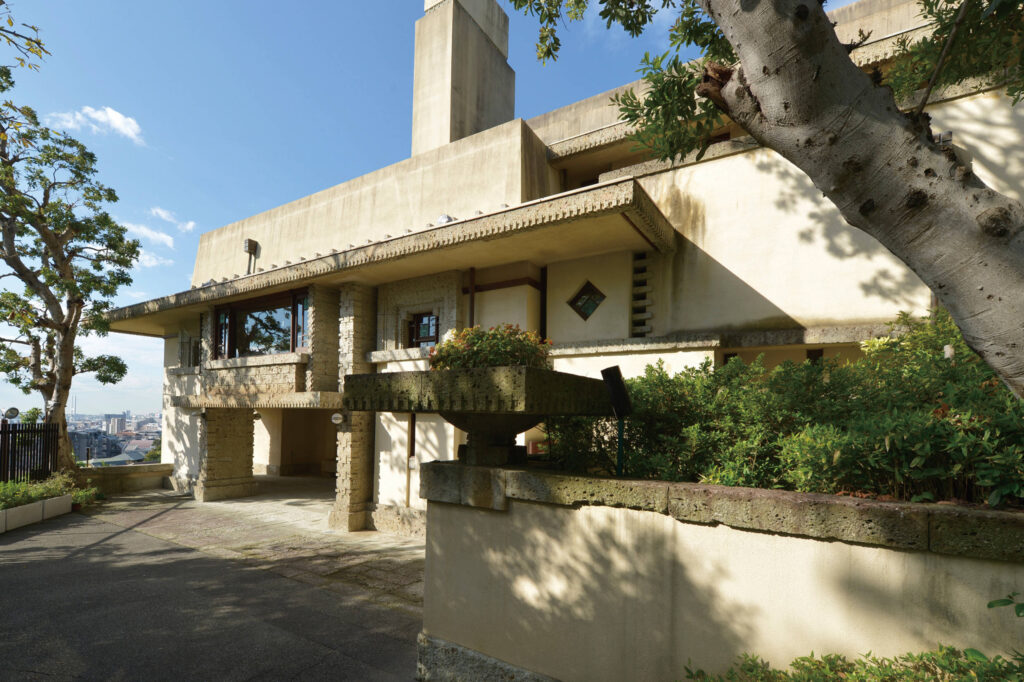
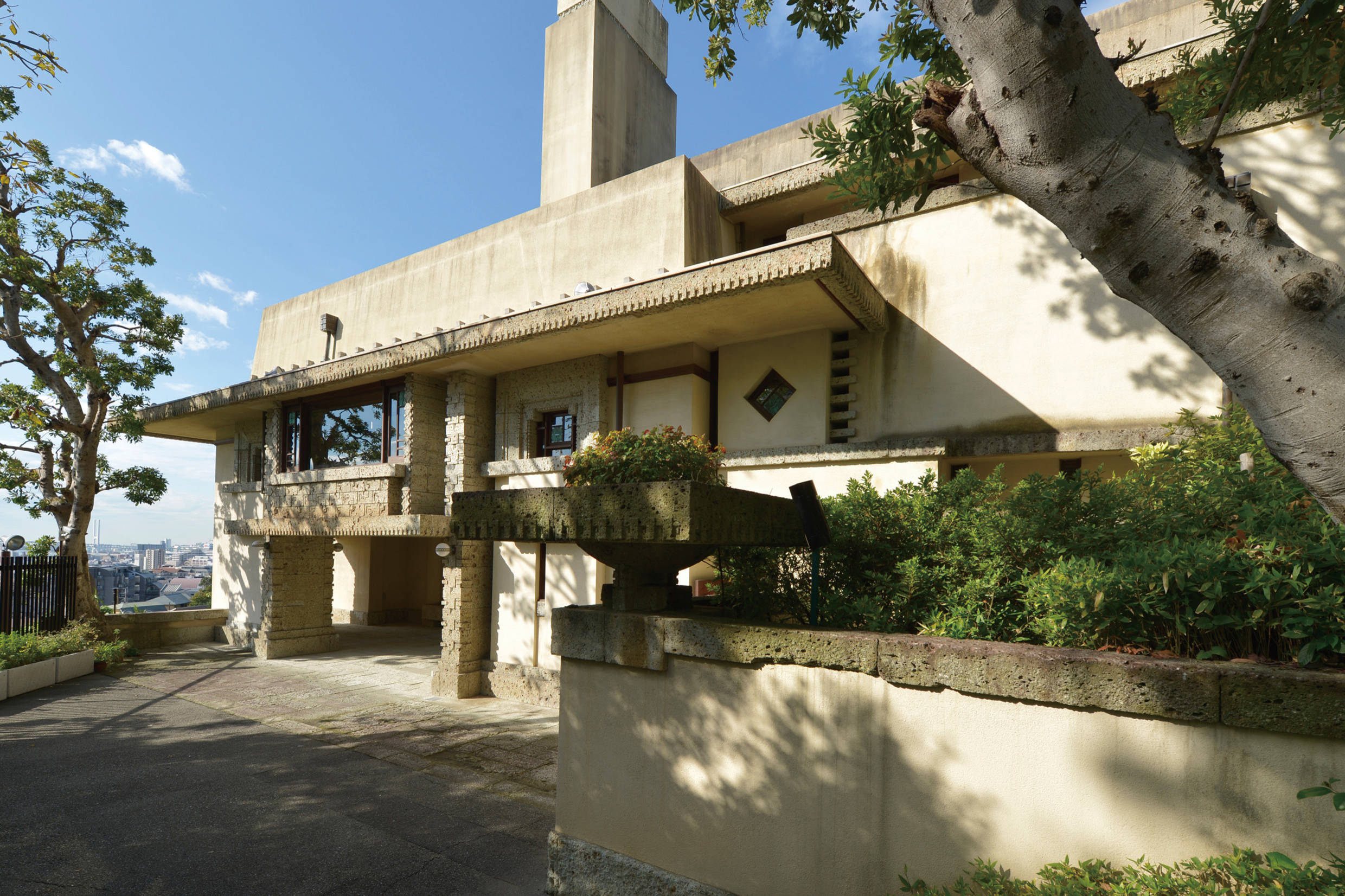
The influence of Frank Lloyd Wright extends far beyond his own buildings. His philosophies shaped movements such as Mid-Century Modernism, which drew heavily on his principles of open layouts, natural integration, and functional beauty. Architects across the world cite Wright as a source of inspiration, from Japan to Europe, where his work helped spread the ideals of modernism.
Even in contemporary sustainable architecture, Wright’s ideas are evident. His focus on harmonizing buildings with the environment prefigured green architecture, which has become a global priority. His legacy is a reminder that great architecture is not only about aesthetics but also about enhancing human life and respecting the natural world.
Frequently Asked Questions
1. What was Frank Lloyd Wright’s design philosophy?
Frank Lloyd Wright’s philosophy was centered on “organic architecture,” which emphasized harmony between structures and their natural surroundings. He believed buildings should grow naturally from their environment, using natural materials and open, flowing spaces.
2. What are some of Frank Lloyd Wright’s most famous works?
Some of Wright’s most iconic works include Fallingwater in Pennsylvania, the Guggenheim Museum in New York City, the Robie House in Chicago, and his own home and studio, Taliesin, in Wisconsin. Each reflects his philosophy of organic architecture.
3. How did Frank Lloyd Wright influence modern architecture?
Wright influenced modern architecture by pioneering open floor plans, integrating technology like radiant heating, and focusing on human-centered design. His principles shaped residential, commercial, and cultural architecture and continue to inspire sustainable design today.