Big Modern Houses for Sale – Design Insights, Technology Benefits, and Real-Life Examples
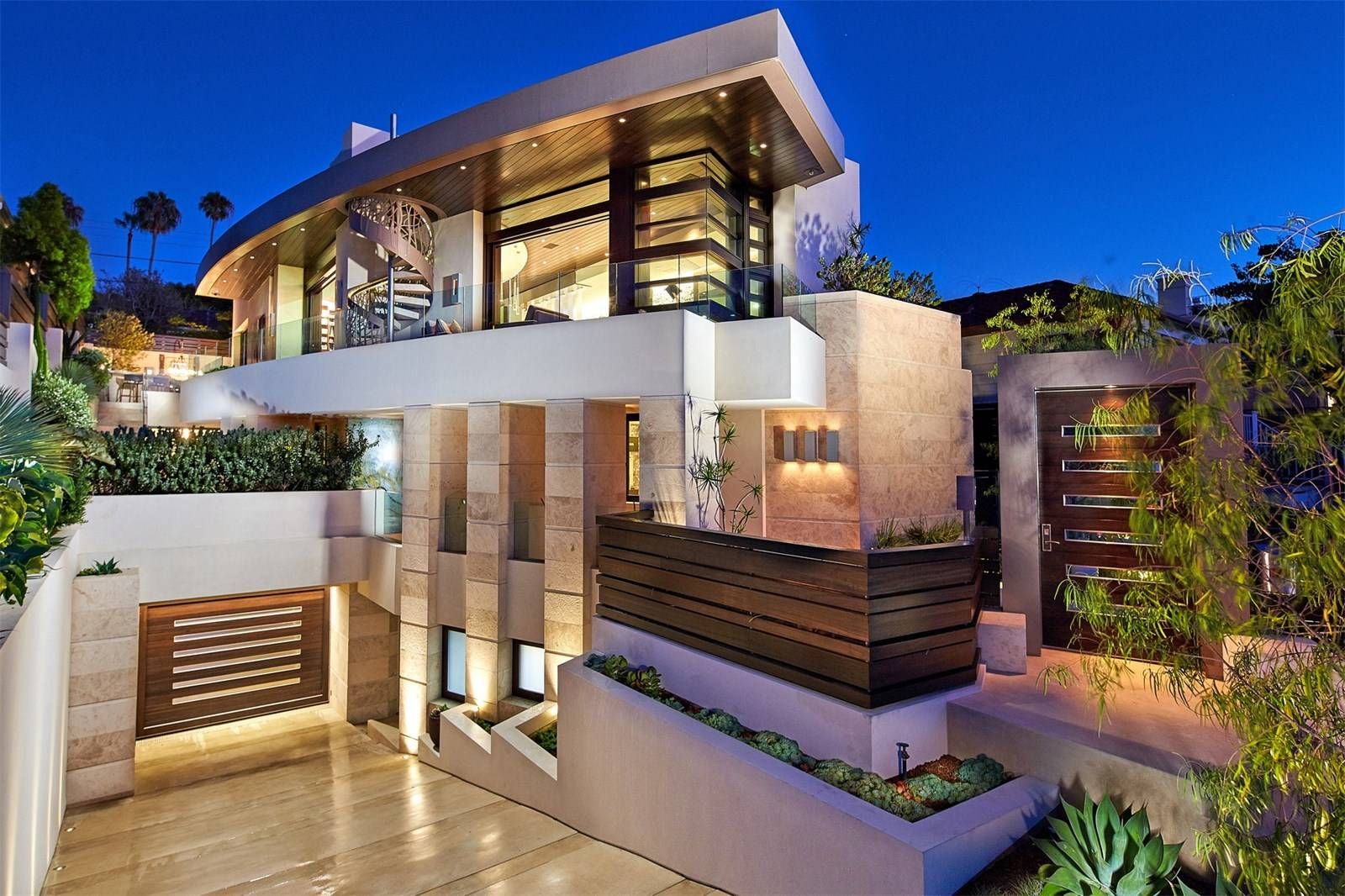
Big modern houses for sale represent the perfect blend of expansive living space and contemporary design. Unlike traditional mansions, which focus heavily on ornamentation and classical style, modern large houses emphasize clean lines, open layouts, and the integration of natural light. These homes combine size with functional design, making them appealing for families, entrepreneurs, and those who value both aesthetics and practicality.
One of the defining traits of big modern houses is their flexibility. They can serve as family residences, social hubs, or even part-time workspaces, thanks to their versatile layouts. As modern lifestyles evolve, the need for larger, smarter, and more adaptable homes has become a growing trend in the real estate landscape.
Architectural Features of Big Modern Houses
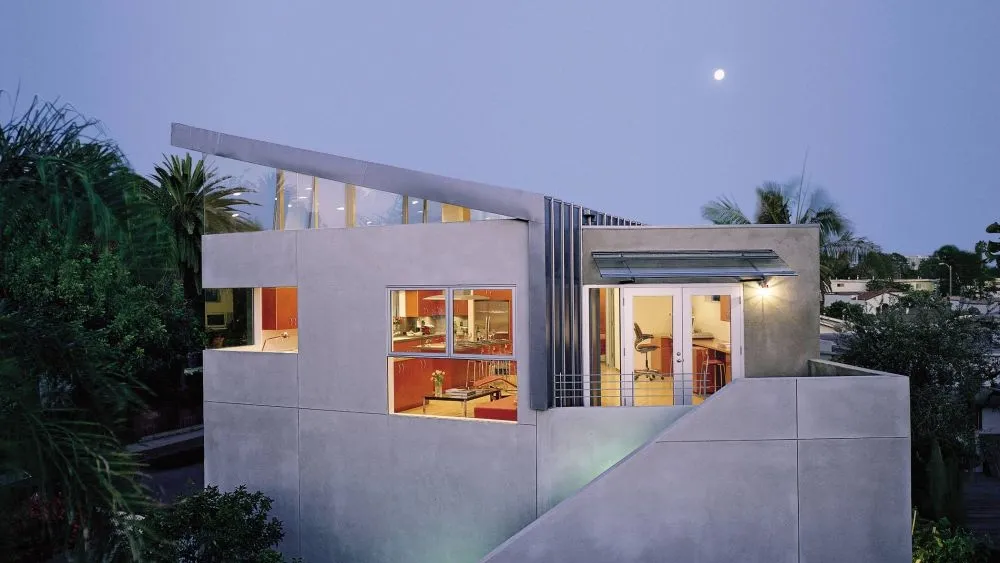
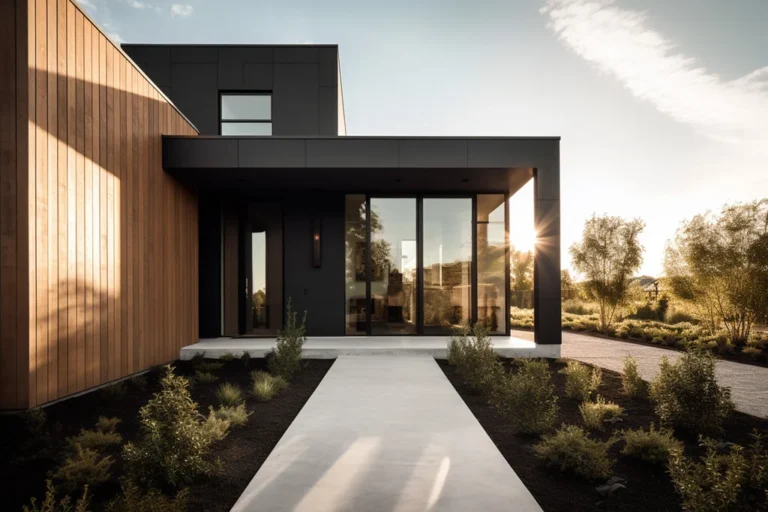
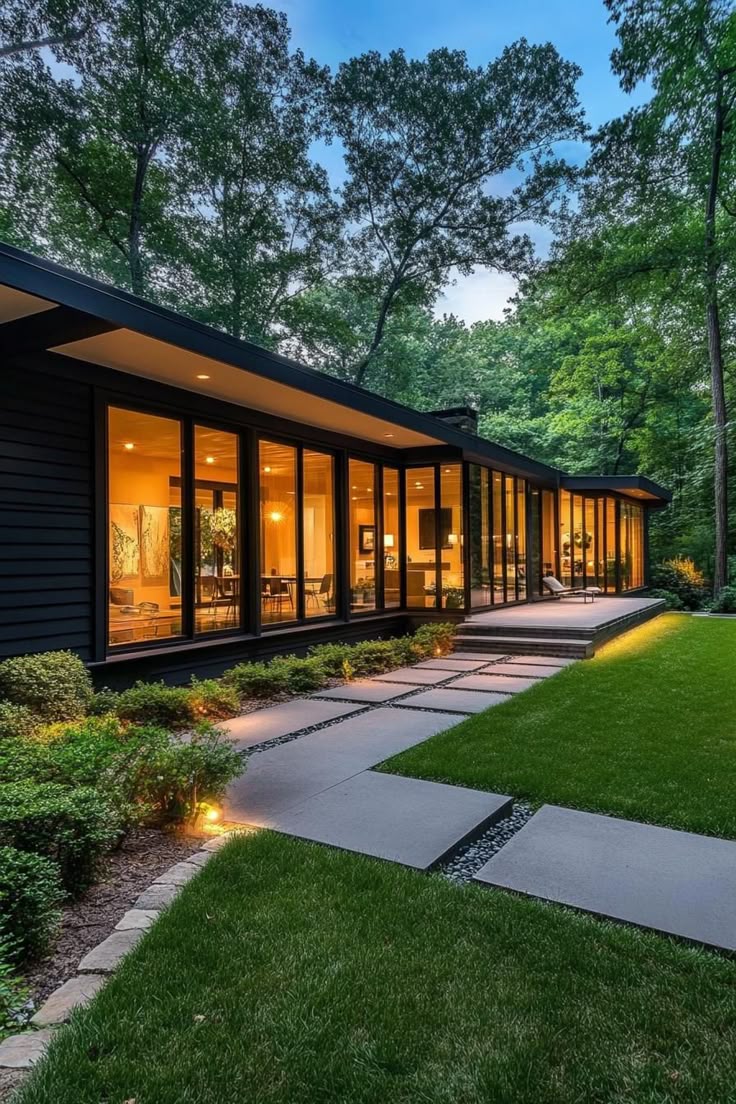
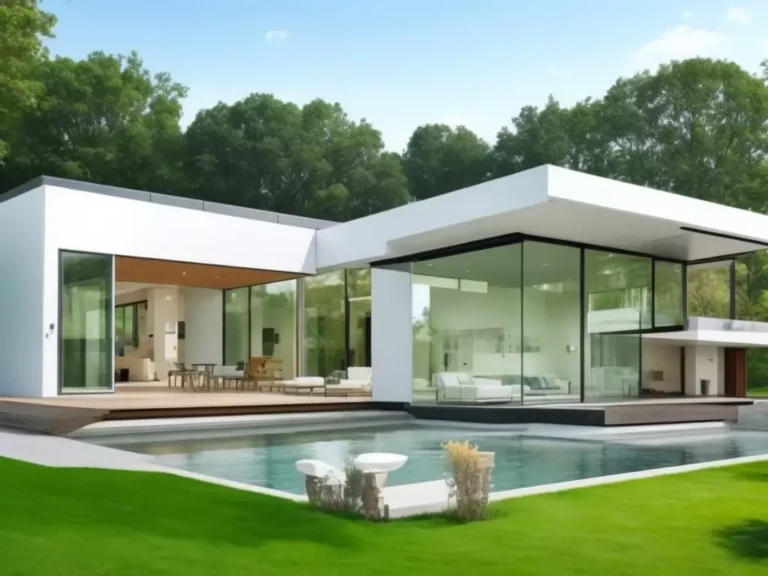
Modern architecture focuses on simplicity, functionality, and openness. In big modern houses, these principles are amplified to create breathtaking yet livable spaces. Large windows and sliding glass doors bring the outdoors inside, while open-plan kitchens and expansive living areas provide a central space for interaction.
Architects often design these homes with multiple levels or wings, ensuring a clear distinction between public and private spaces. For example, entertainment areas may occupy one wing of the house, while bedrooms and offices are positioned for privacy. This structural clarity enhances livability while maintaining grandeur.
The Role of Technology in Big Modern Houses
Technology is at the core of modern living, especially in large houses where managing space can be challenging. Smart home automation systems make it easier to control lighting, climate, and security from a central hub or smartphone. This ensures that even expansive homes remain efficient and easy to manage.
Sustainability is another key factor. Energy-efficient features such as solar panels, rainwater harvesting systems, and climate-zoned heating and cooling reduce operational costs while minimizing environmental impact. These technological advancements transform large houses into eco-conscious modern estates.
Real-World Examples of Big Modern Houses
Hillside Glass-Walled Estate
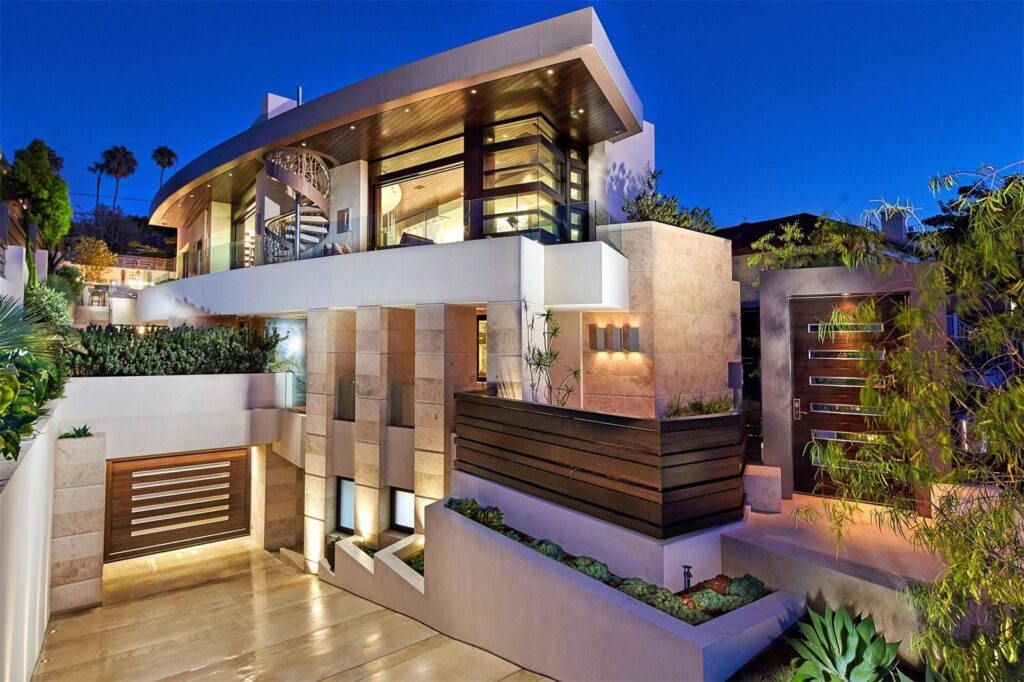
A hillside glass-walled estate exemplifies the design potential of big modern houses. With floor-to-ceiling windows overlooking natural landscapes, these homes maximize scenic views while filling interiors with natural light. Large terraces, infinity pools, and open kitchens create a seamless indoor-outdoor lifestyle.
These estates are ideal for those who want both privacy and connection to nature. Their design highlights luxury while ensuring everyday practicality, making them sought-after in high-demand regions like California, Australia, or the Mediterranean.
Urban Mega Modern Villa
Urban mega modern villas offer another perspective. These large houses often stand within city environments, designed with striking geometric exteriors, steel-and-concrete finishes, and bold architectural statements. Inside, they feature multiple lounges, gyms, and entertainment spaces.
What makes them remarkable is how they balance big living within bustling urban centers. Features such as rooftop gardens, private cinemas, and soundproof interiors make them comfortable havens in otherwise noisy environments.
Sustainable Modern Family Estate
Sustainability has become a hallmark of many big modern houses. A modern family estate built with eco-friendly principles may feature solar energy systems, recycled materials, and water-efficient landscaping. Despite their large size, these homes are designed to reduce energy consumption and environmental impact.
For families, these estates provide spacious layouts with multiple bedrooms, offices, and recreational spaces. They represent how luxury and environmental responsibility can coexist, appealing to eco-conscious homeowners.
Multi-Level Modern Mansion
Multi-level modern mansions showcase architectural innovation with multiple floors that serve distinct purposes. For example, the basement may house entertainment facilities such as theaters or gyms, while upper levels feature bedrooms and quiet study areas.
This design is perfect for larger households or families who often host guests. It allows privacy, organization, and efficiency within a grand and modern structure.
Benefits of Big Modern Houses
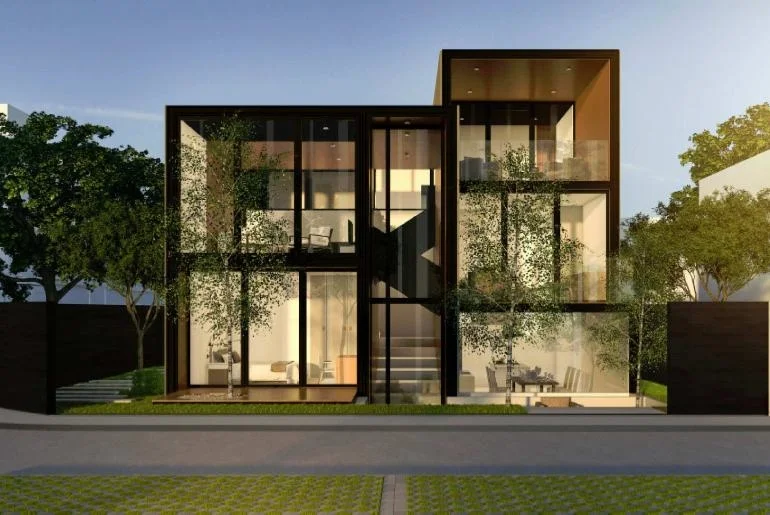
One of the most significant benefits of big modern houses is their versatility. Owners can allocate rooms for diverse purposes, from home gyms to libraries, ensuring the home adapts to changing lifestyles.
They also offer enhanced comfort and wellness. Spa-like bathrooms, meditation rooms, and outdoor gardens create environments that support both physical and mental health. In large spaces, wellness becomes a core part of everyday life rather than a luxury.
Finally, technology enhances the ease of management. Even though the houses are large, smart home systems streamline control over heating, lighting, and security, saving both time and resources. These systems bring convenience to scale, ensuring comfort without overwhelming the homeowner.
Practical Use Cases of Big Modern Houses
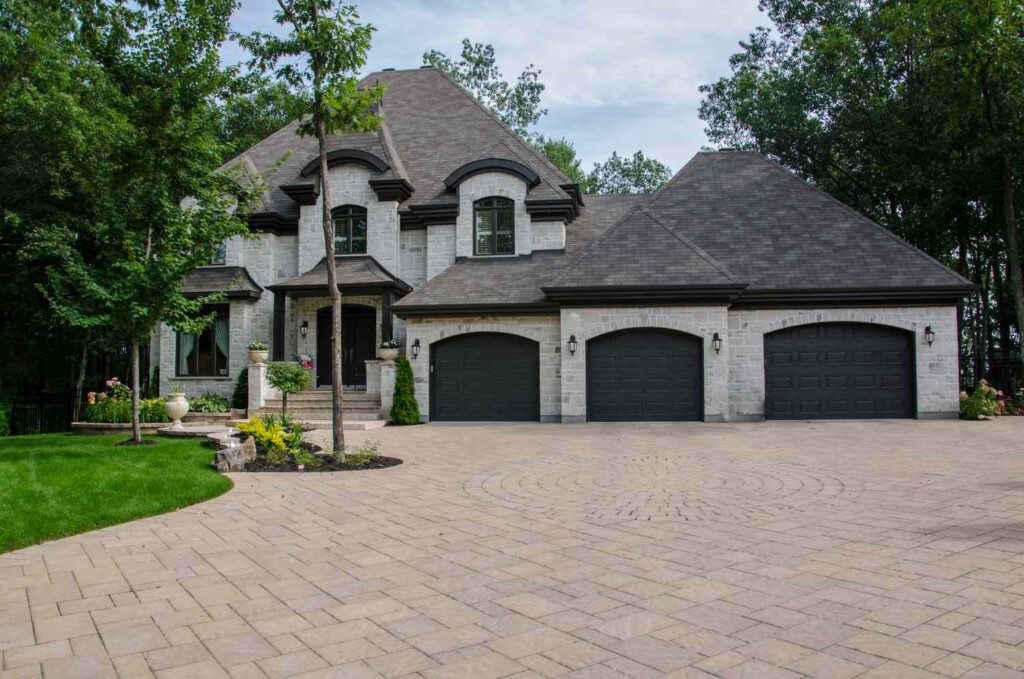
Big modern houses are not just architectural statements; they solve real-life lifestyle challenges. For families with children, they provide separate areas for play, study, and relaxation, keeping order and harmony in busy households.
For professionals working remotely, these homes offer dedicated office spaces, meeting rooms, and even creative studios. This reduces the need for external workspaces while providing a comfortable environment to remain productive.
Social and community-oriented individuals also benefit greatly. Large kitchens, dining rooms, and outdoor patios create opportunities for entertaining guests, celebrating occasions, or even hosting charity events. The space ensures that gatherings never feel cramped, enhancing the overall experience.
Frequently Asked Questions
1. What makes big modern houses different from traditional large homes?
Big modern houses emphasize open spaces, minimalistic design, and integration with technology, whereas traditional large homes focus more on ornamentation and grandeur.
2. Are big modern houses energy-efficient despite their size?
Yes. Many are built with energy-saving technologies like solar panels, efficient HVAC systems, and eco-friendly materials, making them sustainable despite their scale.
3. Who are big modern houses best suited for?
They are ideal for families, professionals working from home, and individuals who enjoy social gatherings. These homes combine space, design, and functionality to meet diverse needs.