Architectural Design – Principles, Benefits, and Real-World Examples
Architectural design is the foundation of how spaces are imagined, planned, and created. It is both an art and a science, blending functionality with creativity to deliver buildings, interiors, and landscapes that serve human needs while inspiring emotion. Unlike basic construction, which focuses on structure, architectural design encompasses aesthetics, purpose, sustainability, and cultural significance.
Over centuries, architectural design has evolved from monumental historical structures to sustainable smart homes and futuristic skyscrapers. Today, it remains one of the most influential disciplines, shaping how people interact with their environments. Whether it’s a residential home, a public space, or a commercial building, architectural design determines not only the appearance of the structure but also how efficiently it functions in daily life.
Core Principles of Architectural Design

Functionality as a Priority
Every architectural design begins with function. A school must foster learning, a hospital must ensure efficiency in patient care, and a home must provide comfort and security. The core principle is to design spaces that serve their intended purpose without unnecessary complexity.
Architectural design often integrates utility with elegance, where the placement of rooms, flow of traffic, and usability of the space become essential elements. This ensures that the finished project is not only visually appealing but also practical and enduring.
Balance Between Aesthetics and Structure
Great architectural design strikes a balance between beauty and structural stability. While engineers focus on making buildings safe and long-lasting, architects contribute creativity, style, and cultural relevance. From the choice of materials to the interplay of shapes, light, and colors, aesthetics play a critical role in how people perceive and use a space.
Role of Technology in Architectural Design
Digital Modeling and Visualization
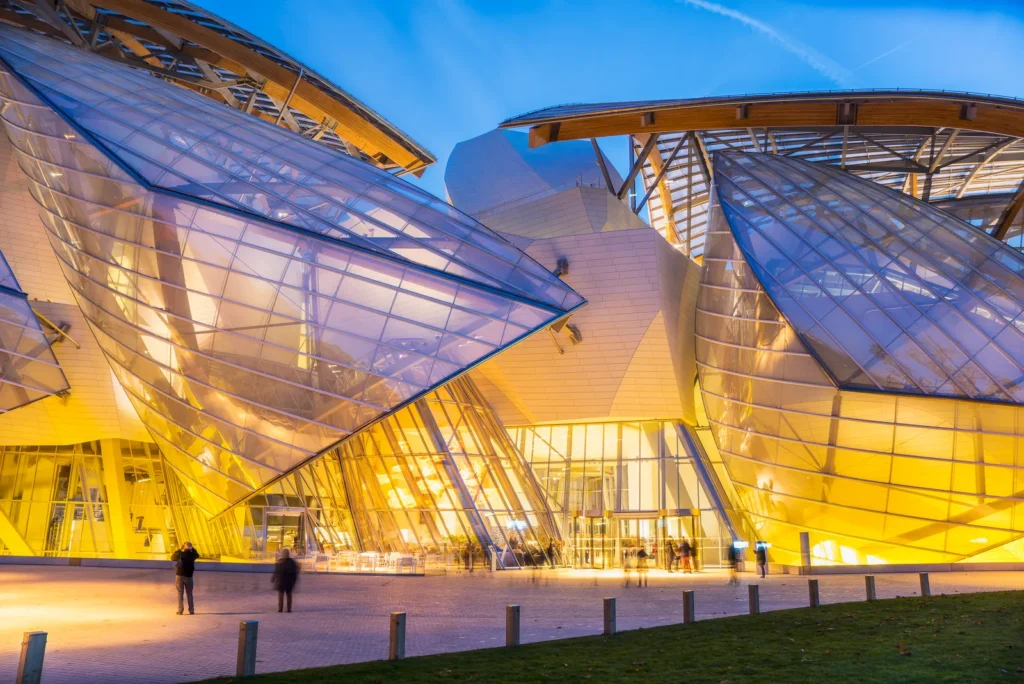
Modern architectural design heavily relies on computer-aided design (CAD) software and 3D modeling tools. These technologies allow architects to create detailed renderings, simulate lighting, and adjust layouts before construction begins. Clients can see realistic previews of projects and suggest modifications early in the process, saving both time and resources.
Smart Building Integration
Technology has also expanded into the buildings themselves. Smart architectural design integrates automated lighting systems, climate control, and security systems into structures. This not only enhances comfort but also reduces energy consumption and improves safety.
Sustainable Innovations
Architectural technology today focuses on sustainability. Solar panels, rainwater harvesting systems, and eco-friendly building materials are designed into structures from the start. Architects can now create buildings that generate more energy than they consume, setting a precedent for a more responsible future.
Real-World Examples of Architectural Design
Example 1: The Fallingwater House by Frank Lloyd Wright
Fallingwater is one of the most iconic examples of architectural design. Built in 1935 in Pennsylvania, the house was designed to integrate harmoniously with its natural surroundings. Wright used cantilevered terraces that extend over a waterfall, blending modern engineering with natural beauty.
The house demonstrates how architectural design can blur the boundaries between human living spaces and nature. Its relevance lies in inspiring generations of architects to respect natural landscapes while still innovating in structural form.
Example 2: The Louvre Pyramid in Paris
The Louvre Pyramid, designed by architect I. M. Pe is a prime example of blending tradition with modernity. Constructed as an entrance to the historic Louvre Museum, the glass-and-metal pyramid contrasts with the classical architecture surrounding it yet fits seamlessly within the site’s cultural identity.
This example showcases how architectural design can embrace innovation without erasing history. It proves that modern architectural elements can complement traditional ones when carefully planned, enriching both cultural heritage and visitor experience.
Example 3: The Burj Khalifa in Dubai
As the tallest building in the world, the Burj Khalifa represents architectural design at its most ambitious. Designed by Adrian Smith, its structure is inspired by Islamic architecture while incorporating modern engineering solutions to withstand extreme weather conditions and high wind loads.
The Burj Khalifa highlights how architectural design can serve as a symbol of national identity, economic power, and technological progress. Beyond its record-breaking height, the tower incorporates advanced cooling systems, sustainable features, and a design that reduces wind stress.
Example 4: The Sydney Opera House
The Sydney Opera House, designed by Jørn Utzon, is a global icon of modern architectural design. Its sail-like shells create a dynamic and recognizable form, while the structure itself serves as a hub for arts and culture in Australia.
Its relevance lies in demonstrating how architecture can transcend functionality to become a cultural symbol. The Opera House is not only a performance venue but also a landmark that defines a nation’s identity.
Example 5: The Bosco Verticale in Milan
Bosco Verticale, or “Vertical Forest,” is a pair of residential towers designed by Stefano Boeri. These buildings are covered with thousands of trees and plants, designed to improve air quality, provide shade, and support biodiversity in an urban environment.
This example demonstrates the modern movement towards sustainable architectural design. By integrating greenery into the vertical fabric of a city, Bosco Verticale addresses issues of pollution, climate change, and urban heat islands while offering residents healthier living spaces.
Benefits of Architectural Design
Creating Human-Centered Spaces
Architectural design focuses on improving the quality of life. Well-designed spaces foster productivity, creativity, comfort, and well-being. Whether it is a school designed to inspire learning or an office that enhances collaboration, architecture impacts human behavior and satisfaction.
Cultural and Historical Significance
Architectural design captures the identity of societies. From ancient temples to modern skyscrapers, each structure reflects the values, beliefs, and aspirations of its time. Preserving cultural heritage while embracing new trends allows architecture to serve as a bridge between the past and the future.
Sustainable Living Environments
Through careful planning, architectural design can reduce environmental impact and create more sustainable living conditions. Energy-efficient buildings, natural ventilation, and eco-conscious layouts ensure that architecture contributes positively to the planet’s health.
Economic and Social Value
Architectural design also adds economic value to properties and communities. Well-planned urban areas attract businesses, tourism, and investments. Public spaces designed with accessibility in mind foster inclusivity and strengthen community bonds.
Use Cases for Architectural Design
Residential Homes
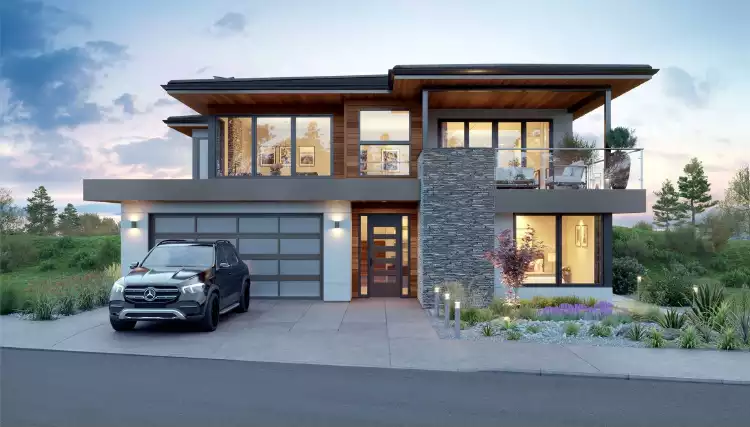
Architectural design is crucial in creating homes that balance functionality, comfort, and style. It determines how families interact with spaces, how energy-efficient the house is, and how the design adapts to future needs.
Public Infrastructure
Schools, hospitals, and government buildings depend on architectural design for efficient layouts and functionality. A well-designed hospital, for example, can reduce patient stress and improve staff efficiency.
Commercial Spaces
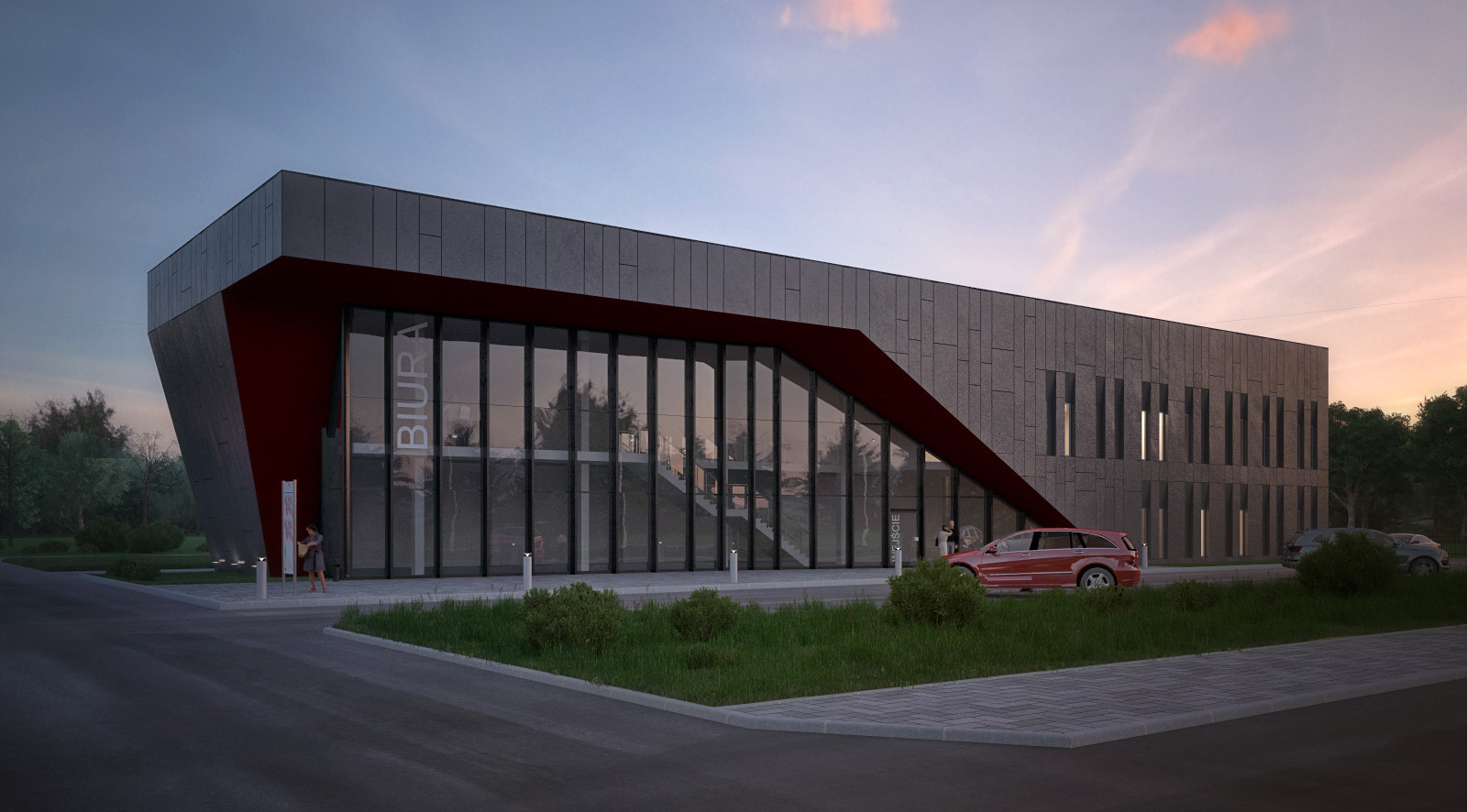
Retail stores, office buildings, and restaurants rely on architectural design to attract customers and improve usability. The flow of movement, lighting, and atmosphere all influence customer experiences and business success.
Urban Development
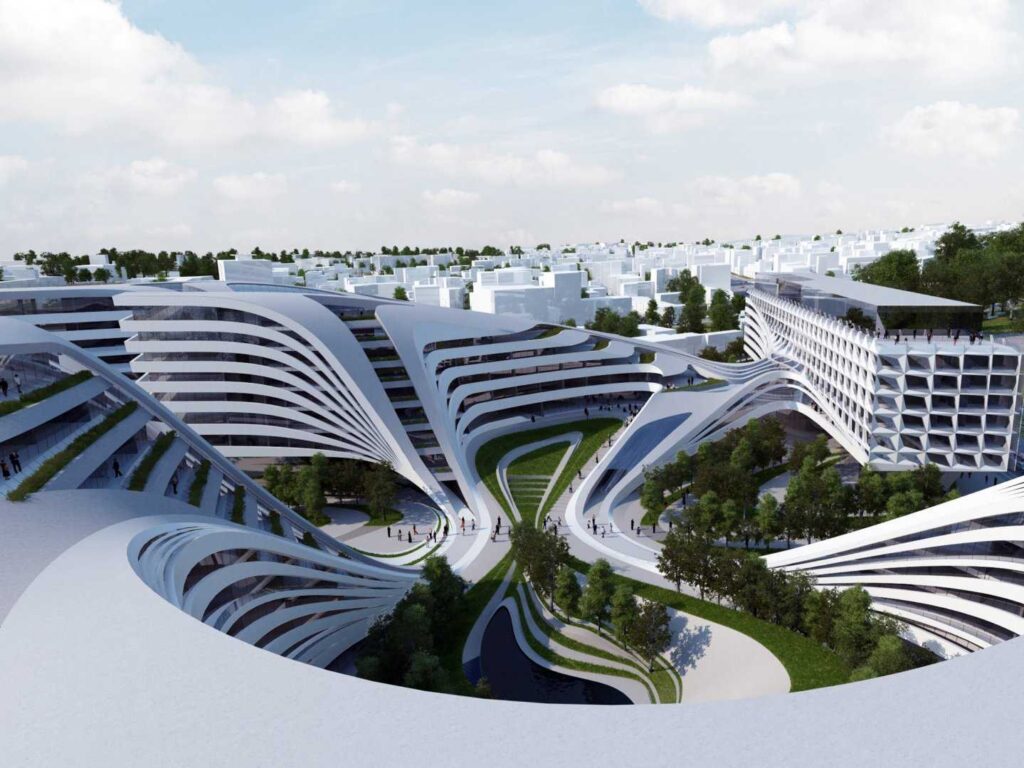
On a larger scale, architectural design shapes cities. Parks, bridges, public squares, and transportation hubs define how people connect with their environments and with each other. Good design fosters livability and resilience in urban communities.
Frequently Asked Questions
1. What is the difference between architecture and architectural design?
Architecture refers to the overall discipline and practice of designing and constructing buildings, while architectural design is the process of planning and creating specific structures, focusing on function, aesthetics, and innovation.
2. How does technology influence architectural design today?
Technology has transformed the field with tools like 3D modeling, smart building systems, and sustainable materials. These innovations allow architects to create more efficient, visually compelling, and environmentally responsible designs.
3. Why is sustainability important in architectural design?
Sustainability ensures that buildings minimize environmental impact, reduce energy consumption, and support healthier living conditions. As climate challenges increase, sustainable architectural design is critical for long-term ecological balance.