Wheelchair Accessible Apartments: Features, Examples, Benefits, and Modern Living Insights
Wheelchair accessible apartments are more than just living spaces; they are purposefully designed homes that provide independence, comfort, and dignity for people with mobility challenges. These apartments incorporate features that remove physical barriers, ensuring safe and easy navigation for wheelchair users.
Accessibility in housing is not only a matter of convenience; it is a necessity for inclusivity. By integrating wide doors, step-free entries, roll-in showers, and smart technology, wheelchair accessible apartments allow residents to live with greater autonomy. In today’s society, the demand for such housing continues to grow as awareness of universal design and disability rights increases.
Key Features of Wheelchair Accessible Apartments
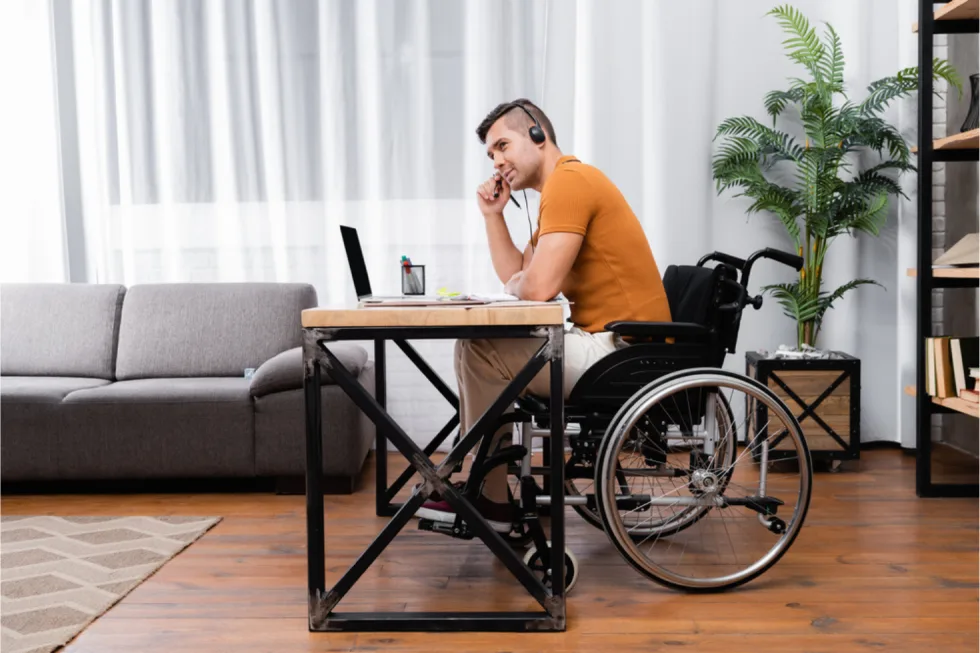
Accessible apartments stand apart from traditional ones due to their thoughtful design elements. Wide doorways and hallways allow smooth wheelchair movement. Kitchens are often fitted with lowered countertops, pull-out shelves, and accessible sinks, making cooking and dining more manageable. Bathrooms typically include roll-in showers, grab bars, and turning space for mobility aids.
Lighting, flooring, and layout also play crucial roles. Slip-resistant flooring reduces fall risks, while open floor plans make navigation simpler. Furthermore, accessibility extends beyond the apartment unit itself; ramps, elevators, and properly designed parking spaces within the building ensure barrier-free living.
Real-World Examples of Wheelchair Accessible Apartments
Example 1: Accessible Apartments in New York City
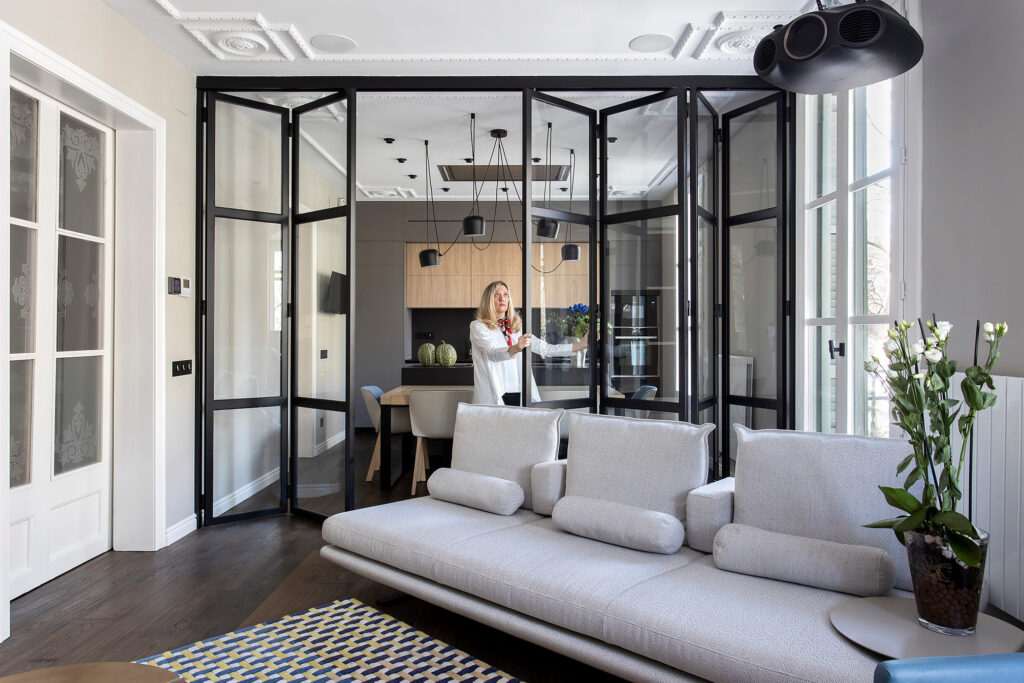
In New York City, many modern residential complexes have incorporated ADA-compliant wheelchair accessible apartments. These units feature step-free entrances, wide corridors, and bathroom designs that cater to mobility needs.
What makes them notable is how they integrate accessibility into stylish, urban living. By combining modern design with functionality, these apartments prove that accessibility does not mean compromising on luxury or aesthetic appeal.
Example 2: Barrier-Free Housing in Berlin
Berlin is known for its progressive approach to urban planning, and its accessible housing developments set a global example. Wheelchair accessible apartments in Berlin often include zero-threshold doorways, large balconies, and public spaces designed for universal access.
These apartments are particularly significant because they combine sustainability with inclusivity. Residents benefit from eco-friendly technologies like energy-efficient heating systems while enjoying barrier-free living spaces tailored to wheelchair users.
Example 3: Inclusive Senior Living Apartments in Florida
Florida has developed multiple senior housing communities that prioritize wheelchair accessibility. These apartments often include wider hallways, roll-under bathroom sinks, and integrated emergency call systems designed with older residents in mind.
These units demonstrate how accessibility extends beyond physical design. They combine healthcare-oriented layouts with community-building spaces, ensuring that residents not only live independently but also engage in social activities without limitations.
Example 4: Smart Accessible Apartments in Tokyo
Tokyo is leading the way in integrating smart technology into wheelchair accessible apartments. These units often come equipped with automated sliding doors, voice-activated systems, and adjustable furniture that adapts to residents’ needs.
This example highlights how accessibility is evolving with modern innovation. By merging technology with design, Tokyo’s apartments enhance autonomy for wheelchair users while setting a standard for future global developments.
Example 5: Affordable Accessible Housing in Toronto
Toronto’s housing initiatives include affordable wheelchair accessible apartments aimed at ensuring equal opportunities for all residents. These units feature barrier-free bathrooms, adaptive kitchen setups, and easy building navigation with elevators and ramps.
This example is particularly important because it addresses both accessibility and affordability. By making inclusive housing more widely available, Toronto demonstrates how cities can break barriers to independence for individuals with disabilities.
Technology in Wheelchair Accessible Apartments
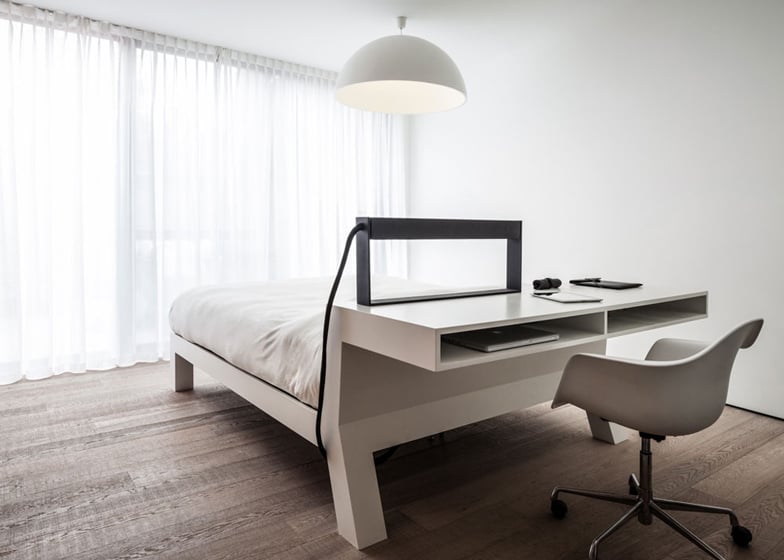
Technology plays a transformative role in accessible housing. Smart home systems allow residents to control lighting, temperature, and appliances through voice commands or mobile devices. For wheelchair users, this reduces dependency on physical reach and movement.
Automated door systems, height-adjustable counters, and robotic furniture are redefining accessibility standards. Safety technologies, such as emergency monitoring and fall-detection sensors, provide peace of mind for residents and their families. These innovations show that technology not only enhances convenience but also ensures security and independence.
Benefits of Wheelchair Accessible Apartments
The advantages of wheelchair accessible apartments are profound. The most important benefit is independence. By removing barriers, residents can perform daily activities without constant assistance, fostering dignity and self-reliance.
Another major benefit is safety. Accessible design reduces risks of falls, injuries, or strain when maneuvering in tight spaces. These apartments also promote inclusivity, allowing residents to live in diverse communities without being isolated by design limitations. Moreover, they support long-term adaptability, meaning residents can continue living comfortably as their mobility needs evolve.
Use Cases of Wheelchair Accessible Apartments in Real Life
-
For Young Adults with Disabilities: Accessible apartments allow them to transition into independent living without sacrificing safety, giving them the freedom to pursue education, work, and social activities.
-
For Families with Members Using Wheelchairs: These apartments ensure that the entire family can live together comfortably, with shared spaces designed for ease of use.
-
For Seniors Aging in Place: Older adults benefit from accessible designs that reduce the likelihood of falls while enabling them to stay in their homes longer.
-
For Rehabilitation Needs: Individuals recovering from accidents or surgeries may temporarily require accessible housing, making these apartments vital for transitional living.
-
For Inclusive Communities: Wheelchair accessible apartments support diversity in neighborhoods by ensuring everyone, regardless of mobility, has equal access to housing opportunities.
These real-life applications illustrate how accessibility is not just a design preference but a vital solution that solves real-world challenges.
Why Wheelchair Accessible Apartments Are Essential
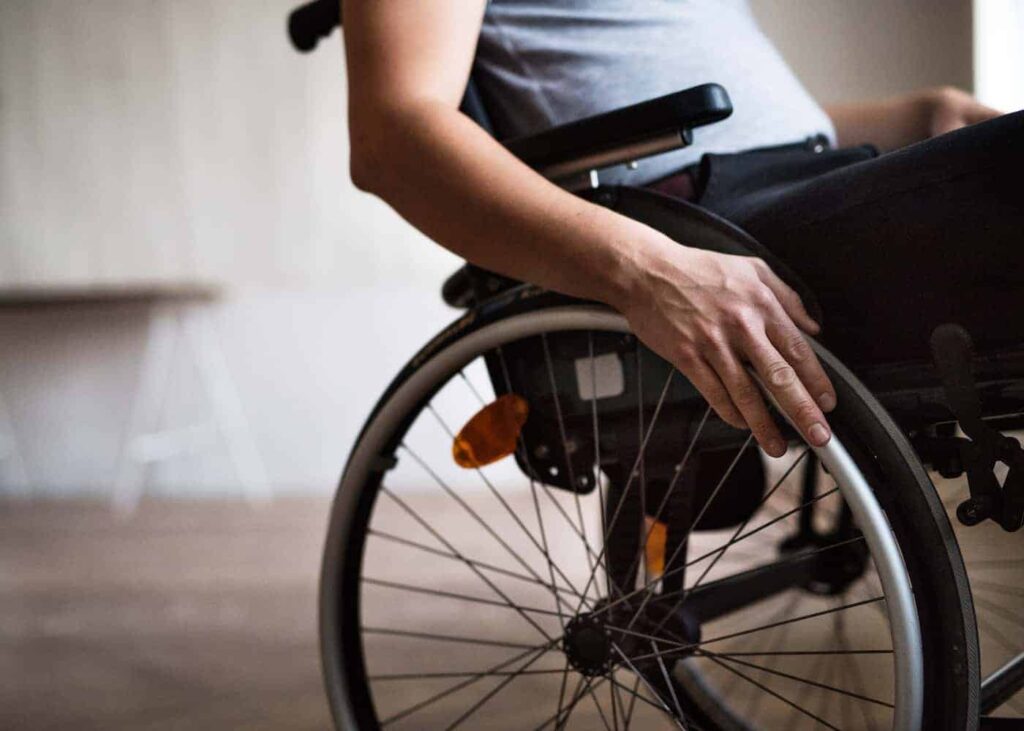
Wheelchair accessible apartments are essential because they transform housing into a universal right rather than a privilege. They ensure that people with mobility challenges can live with the same freedom and dignity as anyone else.
In today’s world, where inclusivity and equal opportunity are valued, accessible housing represents progress. Beyond individual benefit, it enriches entire communities by creating diverse, adaptable, and compassionate living environments.
Frequently Asked Questions
1. What makes an apartment wheelchair accessible?
An apartment is wheelchair accessible if it includes features like wide doors, step-free entrances, roll-in showers, accessible kitchens, and barrier-free navigation both inside and around the building.
2. Can wheelchair accessible apartments also be luxurious?
Yes. Modern accessible apartments often combine elegant design with functional features, ensuring residents enjoy both independence and style. Accessibility and luxury are not mutually exclusive.
3. Why are wheelchair accessible apartments important for society?
They ensure inclusivity, equality, and independence for people with mobility challenges. By providing accessible housing, societies move closer to universal design and equal opportunity for all citizens.