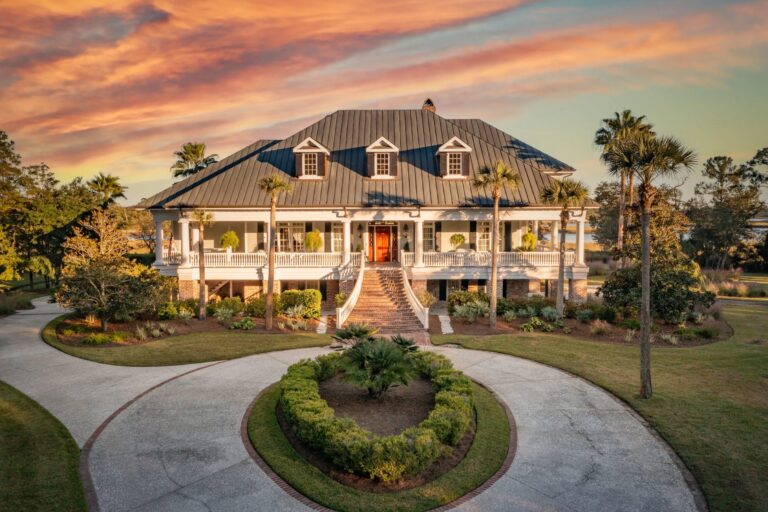
Luxury Homes for Sale: A Complete Guide to High-End Real Estate and Lifestyle
Luxury homes for sale are not just about size or price; they are an embodiment of exclusivity, comfort, design, and lifestyle. These properties cater to individuals who value architectural excellence, premium amenities, and prime locations. From modern glass villas overlooking oceans to timeless estates in historic districts, luxury homes signify a unique identity that separates them from standard residential options.
What sets luxury homes apart is the combination of tangible and intangible value. Beyond high-quality materials and design, these properties often include rare benefits such as privacy, panoramic views, or integration with smart technologies. In real estate, luxury homes are not simply about square footage but about offering a distinct experience to their residents.
Key Features of Luxury Homes
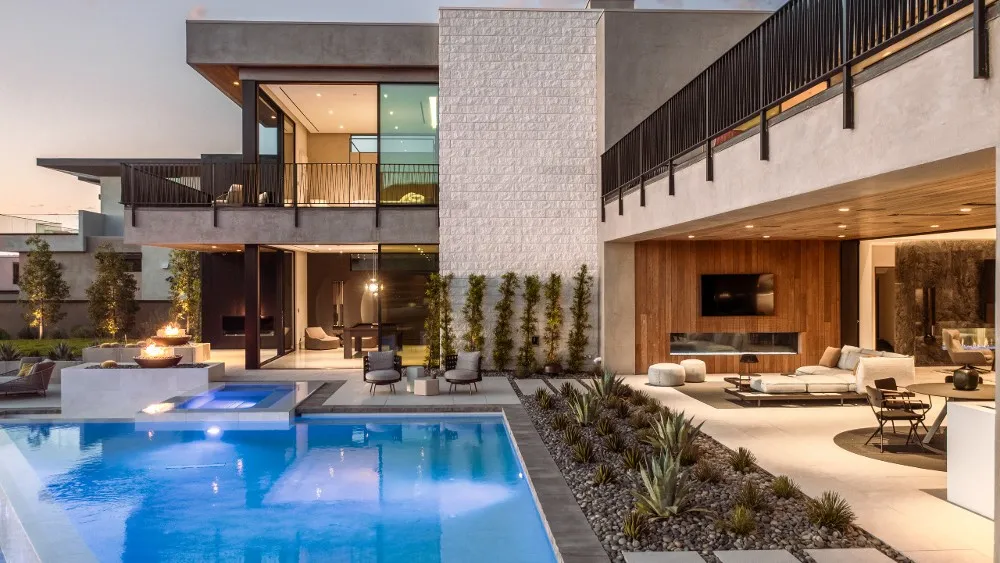
Luxury properties include more than spacious interiors; they focus on curated design, thoughtful layouts, and advanced living experiences. Architects and developers often integrate seamless indoor-outdoor connections, natural light, and sustainable elements to meet the expectations of discerning buyers.
Exclusive amenities are another defining factor. Infinity pools, spa facilities, private gyms, wine cellars, and state-of-the-art entertainment systems often feature in high-end homes. Meanwhile, location plays an equally critical role. A modestly sized villa in Malibu overlooking the Pacific may carry more prestige than a large suburban mansion, demonstrating that context and exclusivity outweigh size alone.
Real-World Examples of Luxury Homes
Example 1: Beverly Hills Estates
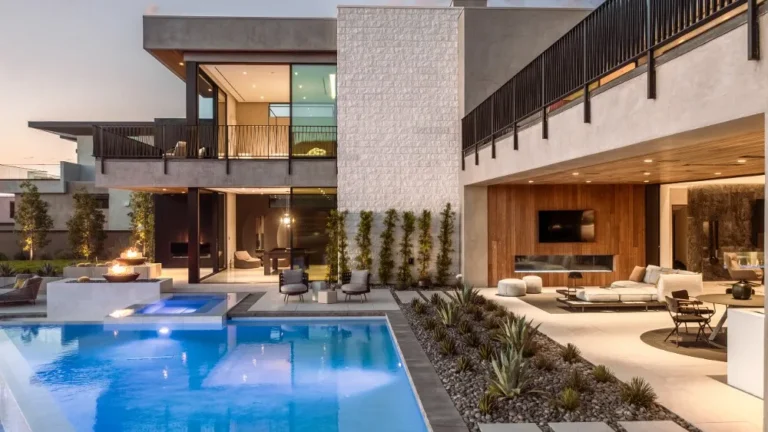
Beverly Hills remains one of the most iconic destinations for luxury homes. Properties here often feature expansive square footage, modern interiors, and outdoor entertainment spaces with views of Los Angeles. Many estates are designed with integrated smart systems, enabling owners to control lighting, climate, and security seamlessly.
These homes embody exclusivity, not just for their architectural value but also because of the surrounding community of high-profile residents. Living in Beverly Hills represents both status and access to one of the most desirable real estate markets in the world.
Example 2: Manhattan Penthouses
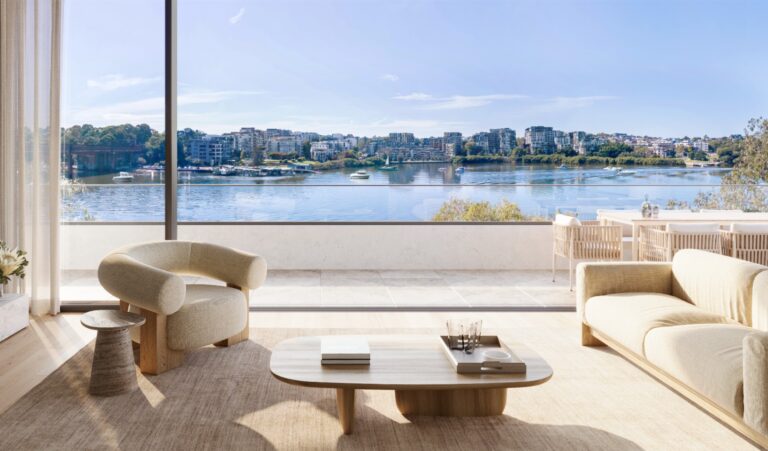
In New York City, luxury takes the form of penthouses overlooking Central Park or the Hudson River. These residences may not offer expansive land but compensate with breathtaking cityscapes, bespoke interiors, and access to elite building amenities like private lounges, fitness centers, and concierge services.
Manhattan penthouses also reflect how luxury is tied to scarcity. Limited availability of space elevates property value, making it a highly sought-after investment. The balance of design sophistication and urban prestige defines these homes.
Example 3: Modern Villas in Dubai
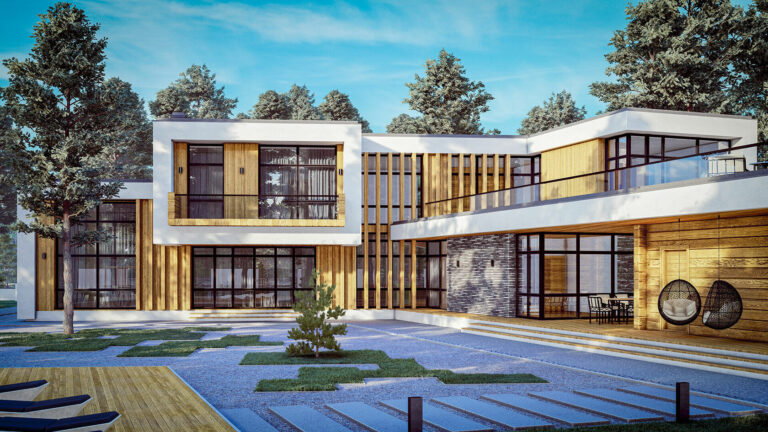
Dubai has become a global symbol of luxury real estate, offering modern villas with futuristic architecture. Properties here often include infinity pools, direct access to private beaches, and integration of high-end technologies.
Luxury villas in Dubai highlight how technology and design work together to create futuristic lifestyles. They reflect how the global luxury real estate market is evolving to incorporate sustainability and digital advancements while maintaining elegance.
Example 4: Mediterranean Homes in Tuscany
Luxury homes in Tuscany offer an entirely different perspective—heritage estates surrounded by vineyards and rolling hills. These homes are less about flashy amenities and more about timeless charm, stone architecture, and expansive landscapes.
The value of Tuscan estates lies in their cultural significance and ability to provide serene escapes. They represent luxury not just in material wealth but in offering an authentic connection to history and nature.
The Role of Technology in Luxury Homes
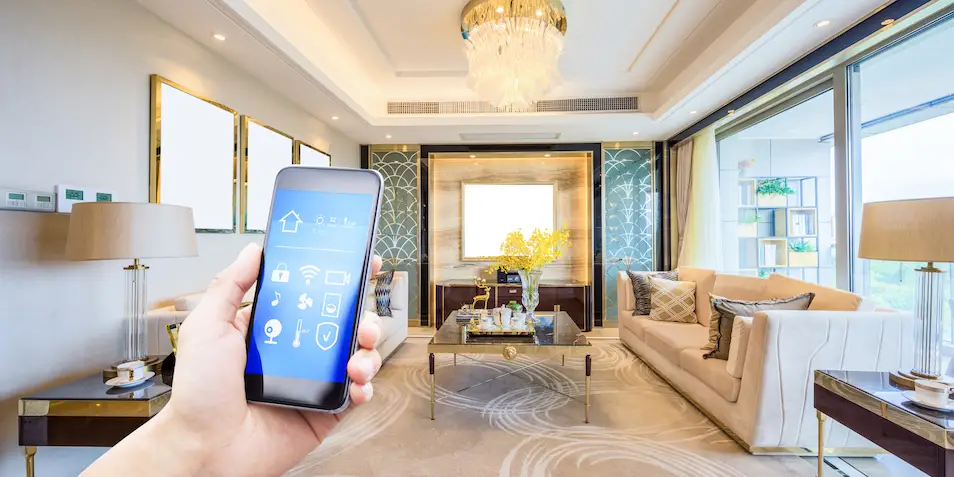
Luxury real estate has embraced advanced technology to enhance security, comfort, and sustainability. Smart home automation is now standard, enabling owners to control lighting, energy use, and entertainment from a mobile device. These systems add convenience while also increasing energy efficiency.
Security technologies such as biometric entry, surveillance systems, and AI-based monitoring ensure maximum privacy and safety. Meanwhile, sustainable technologies like solar power, water recycling systems, and eco-friendly building materials align luxury living with environmental consciousness.
Benefits of Luxury Homes for Sale
One of the primary benefits of owning a luxury home is the lifestyle it provides. These properties combine privacy, exclusivity, and comfort in ways unmatched by standard real estate. For many, the appeal lies in having a home tailored to personal needs and tastes, offering both convenience and prestige.
Another benefit is long-term value. High-end properties tend to hold or appreciate due to their unique qualities and desirable locations. They are often viewed as both a personal retreat and a strategic investment, making them appealing to affluent buyers worldwide.
Practical Use Cases for Luxury Homes
Luxury homes for sale serve more than one purpose; they solve different lifestyle and investment challenges. For families, they offer a safe and spacious environment with high-end amenities for everyday comfort. For professionals, they serve as a statement of achievement and provide a space for hosting clients or networking events.
In addition, luxury properties can act as vacation homes or retreats. Many buyers purchase secondary residences in coastal or mountain regions to enjoy seasonal lifestyles. These homes can also be used as rental properties, generating substantial income through luxury vacation rentals, adding another layer of practicality.
Why Luxury Homes Remain Relevant
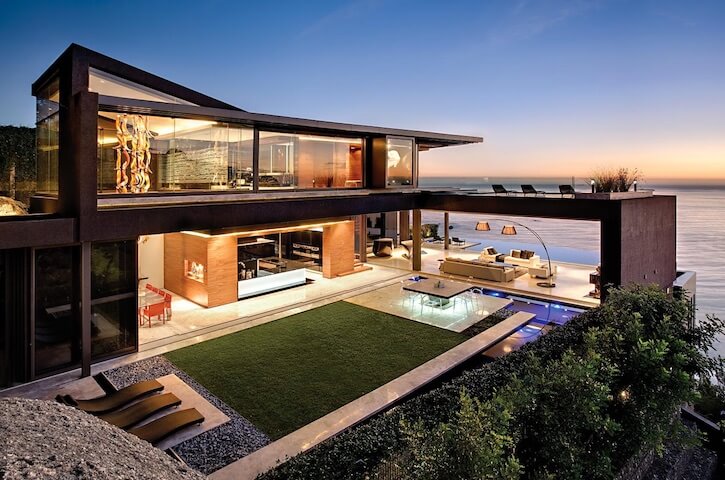
Luxury real estate will always hold relevance because it represents more than material wealth. It symbolizes aspiration, accomplishment, and exclusivity. Buyers aren’t just purchasing homes; they’re buying into a lifestyle and identity that cannot be replicated with standard housing.
Even as markets fluctuate, the demand for luxury homes persists. This demand stems from global wealth growth, evolving buyer preferences, and the continuous innovation in design and technology shaping luxury living.
Frequently Asked Questions
1. What makes a home qualify as a luxury home?
A luxury home is defined by a combination of factors such as prime location, premium amenities, architectural design, and exclusivity. It’s not only about size but also about the lifestyle and experience it provides.
2. Are luxury homes a good investment?
Yes, luxury homes often appreciate due to their uniqueness and desirability. Prime properties in iconic locations tend to hold long-term investment appeal, making them financially and personally rewarding.
3. How is technology changing luxury real estate?
Technology is enhancing luxury homes through smart automation, energy-efficient systems, and advanced security solutions. These innovations improve convenience, sustainability, and overall living experiences for homeowners.