Freelance Architect: Roles, Benefits, Real-World Examples, and Practical Insights
The demand for freelance architects has grown significantly as more clients, businesses, and homeowners look for flexible, affordable, and personalized design solutions. A freelance architect works independently rather than as part of a large architectural firm. They provide professional services such as designing buildings, creating plans, consulting on space optimization, and even managing construction processes tailored to the client’s specific needs.
Freelance architects bring the same qualifications and expertise as firm-based architects, but with added flexibility. Their ability to adapt to diverse project types, scale their services, and often offer competitive rates makes them an attractive option for clients worldwide. From small residential renovations to large commercial developments, freelance architects play an essential role in shaping functional, sustainable, and aesthetically pleasing spaces.
The Core Responsibilities of a Freelance Architect

Design and Creative Planning
At the heart of freelance architecture lies design. Freelance architects conceptualize and draft designs based on client requirements, whether it’s a modern home, a retail space, or an office layout. They use design principles that balance aesthetics, functionality, and sustainability to ensure the space serves its intended purpose while reflecting the client’s vision.
Since they work independently, freelance architects often take on diverse projects that challenge their creativity. This allows them to build portfolios that demonstrate versatility across different architectural styles and project scales.
Project Consultation and Management
Beyond design, freelance architects provide consultation on construction feasibility, building codes, and cost management. They may collaborate with contractors, engineers, and interior designers to oversee a project’s execution. Their role often extends into managing timelines and budgets, ensuring the client’s investment is optimized.
This ability to wear multiple hats is part of what sets freelance architects apart. They are not confined by firm structures and can adapt their role according to the project’s specific needs.
Benefits of Hiring a Freelance Architect
Cost-Effectiveness and Flexibility
Hiring a freelance architect is often more affordable than engaging a large firm. They operate with lower overhead costs, which allows them to provide competitive rates. Clients also benefit from greater flexibility in choosing specific services, whether it’s only conceptual design, drafting, or full project oversight.
Personalized Attention and Innovation
Freelance architects typically work with fewer clients simultaneously, which means they can dedicate more time and attention to each project. This results in tailored solutions that align closely with the client’s personal style, functional requirements, and budget. Their independence also fosters innovation, as they can explore creative approaches without rigid firm protocols.
Access to Niche Expertise
Some freelance architects specialize in unique niches such as sustainable housing, adaptive reuse, or modular construction. Clients looking for specialized expertise often find freelance professionals better suited for their specific needs than larger firms, which may focus on standardized methods.
Real-World Examples of Freelance Architect Projects
Example 1: Small Residential Home Renovation
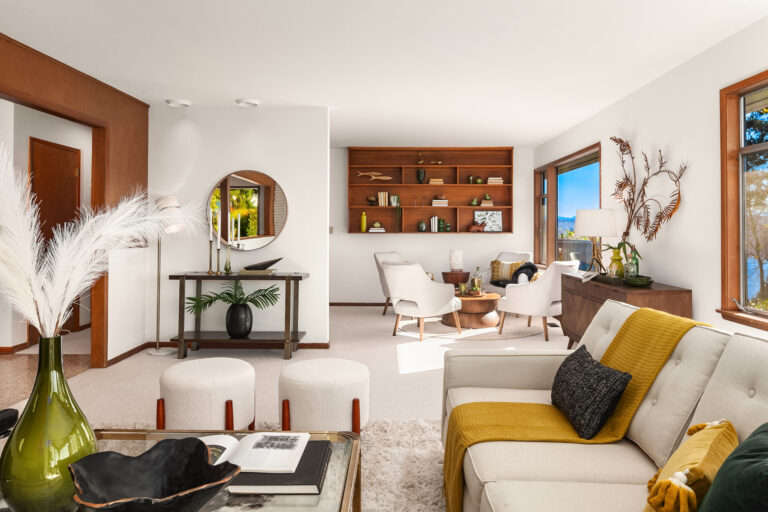
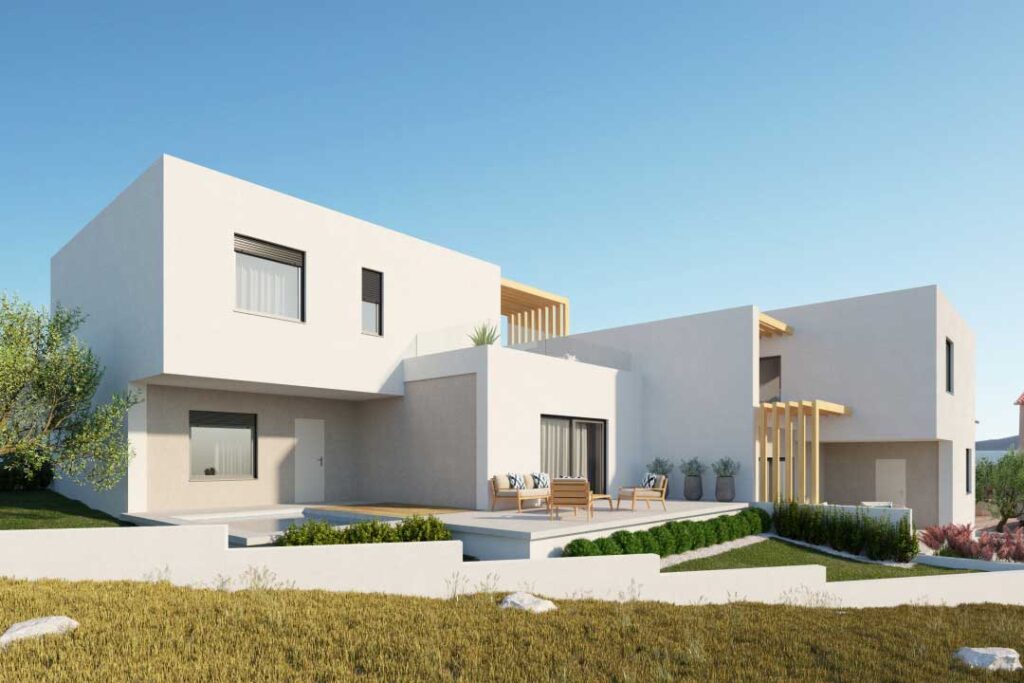
One of the most common projects for freelance architects is renovating private homes. For example, a freelance architect might be hired to redesign a compact urban apartment. By reconfiguring floor plans, incorporating natural light, and selecting sustainable materials, the architect transforms a small space into a modern, livable home.
This type of project highlights how freelance architects can deliver impactful results even within limited budgets and small scales. Their ability to maximize space and function makes them particularly valuable in urban settings.
Example 2: Boutique Café Design
Freelance architects are often approached by small business owners who need affordable yet creative solutions. A boutique café, for instance, may hire a freelance architect to design an inviting and efficient space that attracts customers while optimizing seating and flow.
The architect’s design might include open layouts, creative use of lighting, and integration of local cultural elements to make the café unique. This showcases how freelance architects contribute to brand identity and customer experience for businesses.
Example 3: Sustainable Tiny House Project
With the rise of sustainable living, freelance architects frequently take on tiny house projects. These projects require innovative design approaches to fit all essential amenities into compact spaces while using eco-friendly materials.
In such projects, the freelance architect’s creativity shines as they design multifunctional furniture, maximize vertical space, and integrate energy-efficient systems. These designs not only provide practical solutions for clients but also contribute to broader environmental goals.
Example 4: Commercial Office Reconfiguration
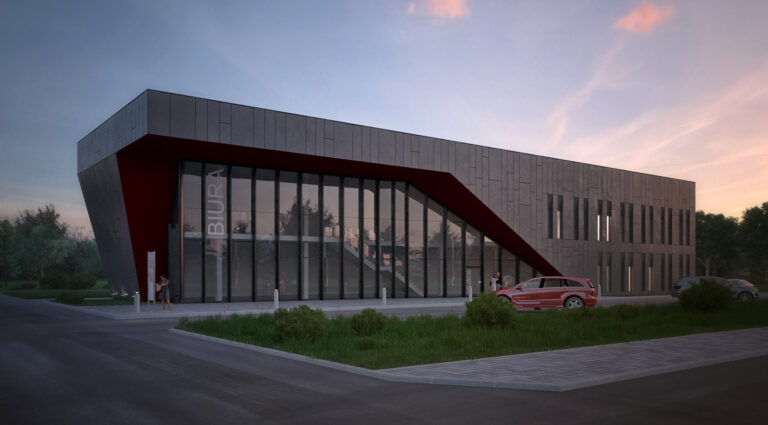
Freelance architects also work on reconfiguring office spaces, particularly in the era of hybrid work models. A client might hire a freelance architect to redesign an existing office into a flexible workspace with collaborative areas, private pods, and wellness corners.
This demonstrates how freelance architects address evolving workplace trends while balancing functionality, employee well-being, and design aesthetics.
Practical Use Cases of Freelance Architects
Affordable Housing Solutions
Freelance architects are often engaged in affordable housing projects, where budget constraints require innovative and efficient design. Their flexibility allows them to experiment with low-cost materials and creative layouts without compromising quality.
Revitalizing Community Spaces
Freelance architects also contribute to community-driven projects such as parks, community centers, and public plazas. Their ability to work closely with local stakeholders ensures that the final design reflects community needs and values.
Solving Space Constraints
Urban areas often face challenges with limited land and high costs. Freelance architects specialize in optimizing layouts and designs to make the most of small spaces, making them ideal for city projects.
Supporting Small Businesses
Small businesses often lack the resources to hire large firms, but freelance architects provide affordable expertise that supports their growth. By designing unique storefronts, interiors, and layouts, they help businesses stand out in competitive markets.
Benefits of Technology for Freelance Architects
3D Modeling and Visualization
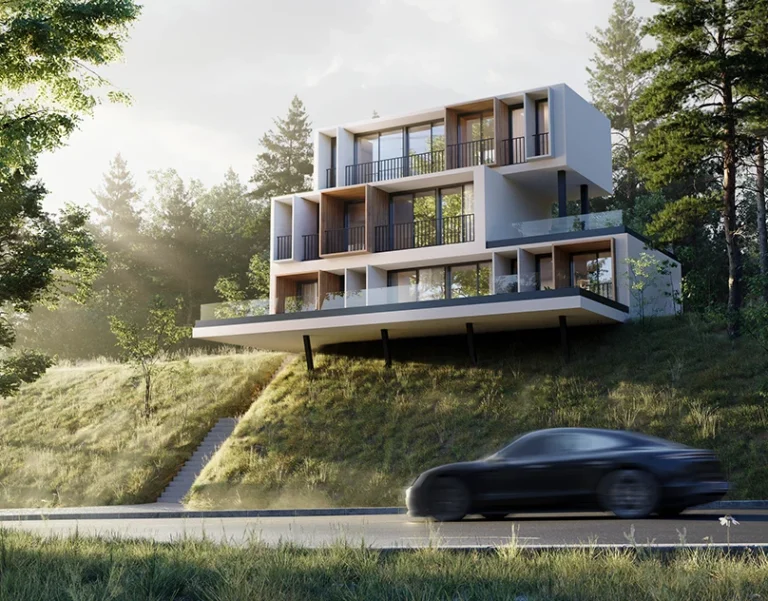
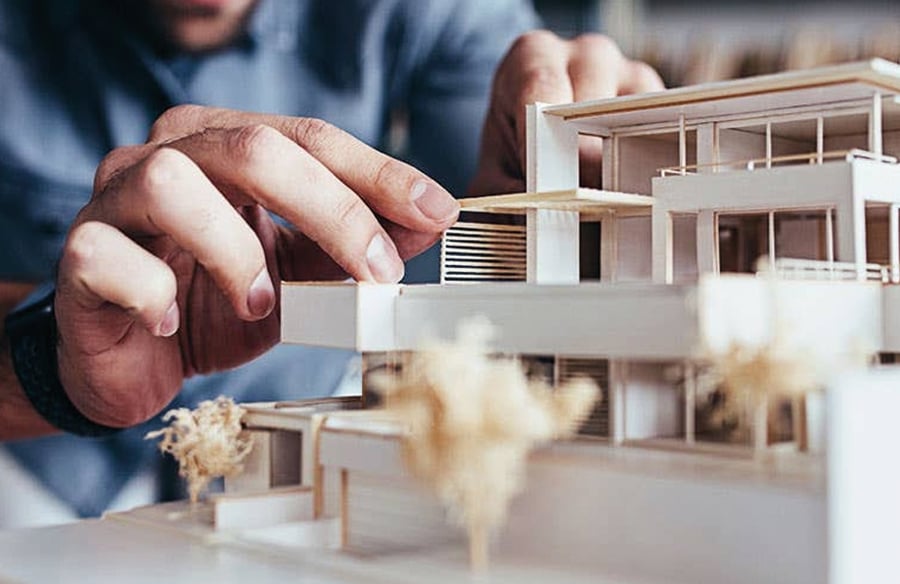
Technology has revolutionized freelance architecture. With 3D modeling and rendering tools, architects can present realistic designs to clients before construction begins. This reduces misunderstandings and allows clients to make informed decisions.
Collaboration Tools and Cloud Platforms
Freelance architects rely heavily on digital collaboration tools. Cloud-based platforms allow them to share designs, update plans in real-time, and communicate seamlessly with clients and contractors—regardless of geographic distance.
Sustainable Design Technologies
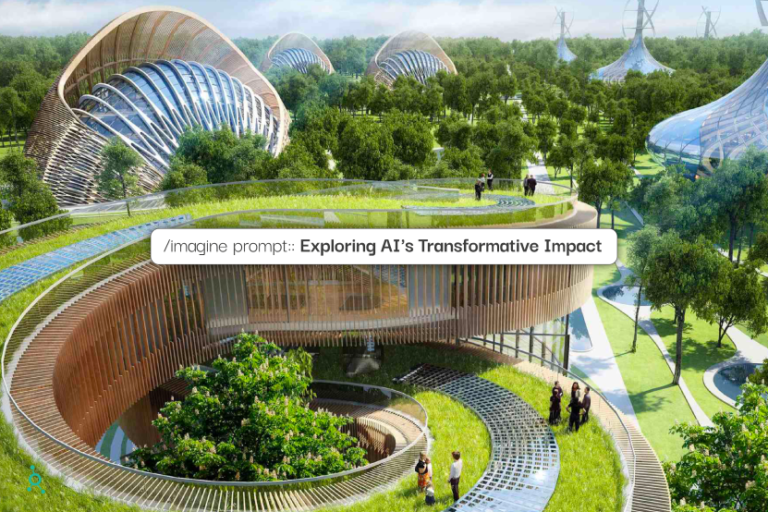
Software that simulates energy efficiency and environmental impact allows freelance architects to design buildings that meet sustainability standards. This not only benefits the client but also supports global efforts to combat climate change.
Virtual Reality and Augmented Reality
VR and AR tools give clients immersive experiences, allowing them to “walk through” a design before it’s built. This technology helps freelance architects deliver clarity and confidence to clients while enhancing project approval processes.
Frequently Asked Questions
1. What qualifications do freelance architects have?
Freelance architects hold the same professional degrees and licenses as architects working in firms. The only difference is that they operate independently, often providing greater flexibility and personalized services.
2. Why hire a freelance architect instead of a firm?
Hiring a freelance architect can be more cost-effective and allows for closer collaboration. Clients benefit from personalized attention, creative solutions, and the ability to work with specialists in niche areas of design.
3. How do freelance architects use technology in their projects?
Freelance architects use tools like 3D rendering, VR visualization, and cloud-based collaboration software to streamline design processes, improve communication, and deliver sustainable, client-focused results.