Landscape Architecture: Principles, Benefits, and Real-World Examples Explained
Landscape architecture is a discipline that blends art, design, ecology, and engineering to create functional and aesthetically pleasing outdoor spaces. It focuses on shaping the natural and built environment in a way that balances human needs with sustainability. From urban parks to private gardens, landscape architecture plays a critical role in how we experience our surroundings.
The practice goes beyond planting trees and flowers. It involves careful planning of land use, integration of ecological systems, and the design of spaces that improve both environmental health and human well-being. Landscape architects collaborate with engineers, urban planners, and environmental scientists to design spaces that are not only beautiful but also practical and resilient.
The Core Principles of Landscape Architecture
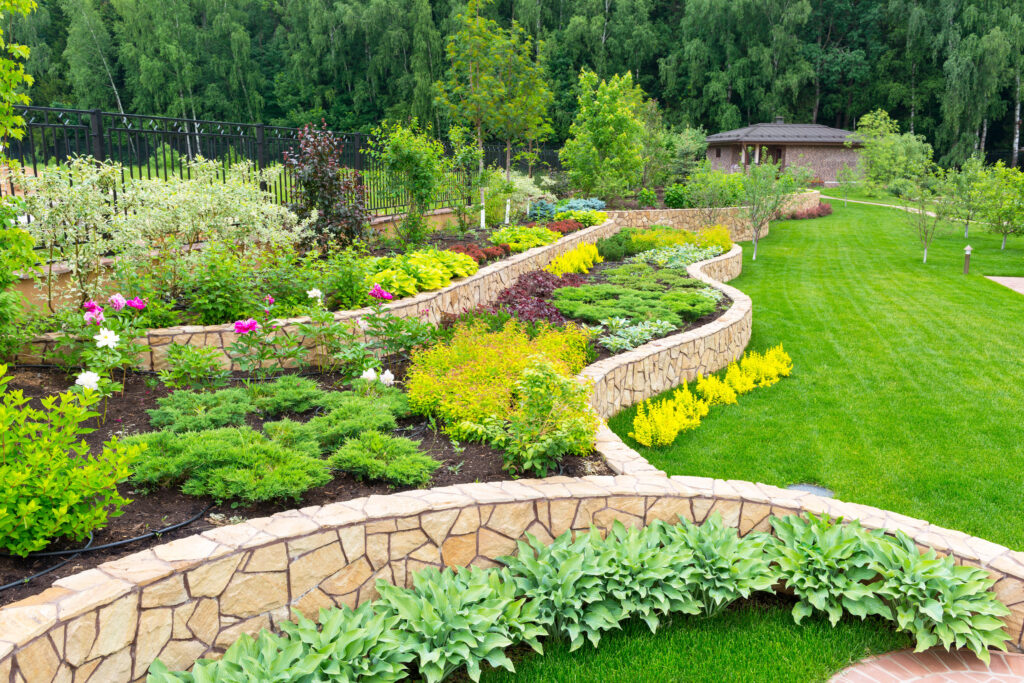
Landscape architecture is guided by a set of principles that ensure spaces are functional, sustainable, and meaningful.
Balance Between Nature and Human Use
A key principle of landscape architecture is finding harmony between natural ecosystems and human development. This involves conserving natural resources, protecting habitats, and ensuring that urban expansion does not compromise ecological health.
Landscape architects must evaluate the impact of each project on the surrounding environment. For example, designing a riverside park requires careful consideration of erosion control, flood management, and wildlife protection, while still offering recreational opportunities for visitors.
Functionality and Accessibility
Designing outdoor spaces goes beyond visual appeal; it requires functionality and inclusivity. Every design should accommodate diverse users, including children, the elderly, and individuals with disabilities. Proper pathways, seating, lighting, and signage are crucial components of accessibility in landscape architecture.
Aesthetic Value and Identity
Outdoor environments shape cultural and social identity. Landscape architects aim to design spaces that reflect local culture, heritage, and community values. From the iconic Central Park in New York City to the gardens of Kyoto, landscape architecture creates places that leave a lasting emotional and cultural impact.
Benefits of Landscape Architecture
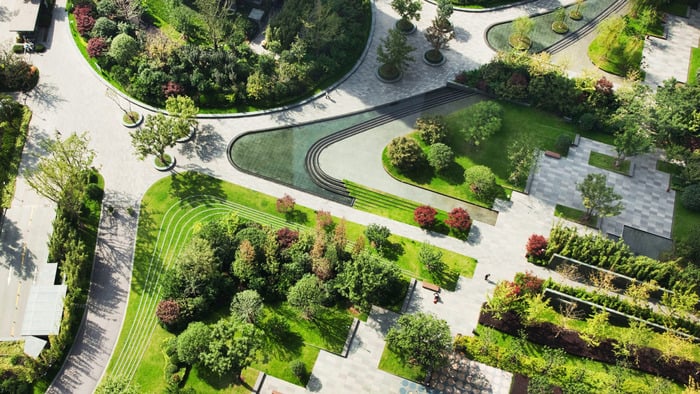
The advantages of landscape architecture extend far beyond aesthetics. It provides measurable benefits to society, the environment, and the economy.
Environmental Sustainability
Landscape architecture promotes ecological sustainability by integrating green infrastructure. Projects often include stormwater management systems, green roofs, rain gardens, and native plantings that restore biodiversity and reduce environmental degradation.
By designing with ecological systems in mind, landscape architects help mitigate climate change impacts, reduce urban heat islands, and improve air and water quality.
Human Health and Well-Being
Access to thoughtfully designed outdoor spaces improves mental health, reduces stress, and encourages physical activity. Parks, trails, and green urban areas provide opportunities for relaxation, recreation, and social interaction, enhancing the quality of life for communities.
Economic Value and Resilience
Investing in landscape architecture increases property values and supports tourism. Furthermore, resilient designs help cities reduce costs associated with flooding, pollution, and heat-related challenges. By planning landscapes that adapt to natural changes, communities save resources in the long term.
Real-World Examples of Landscape Architecture
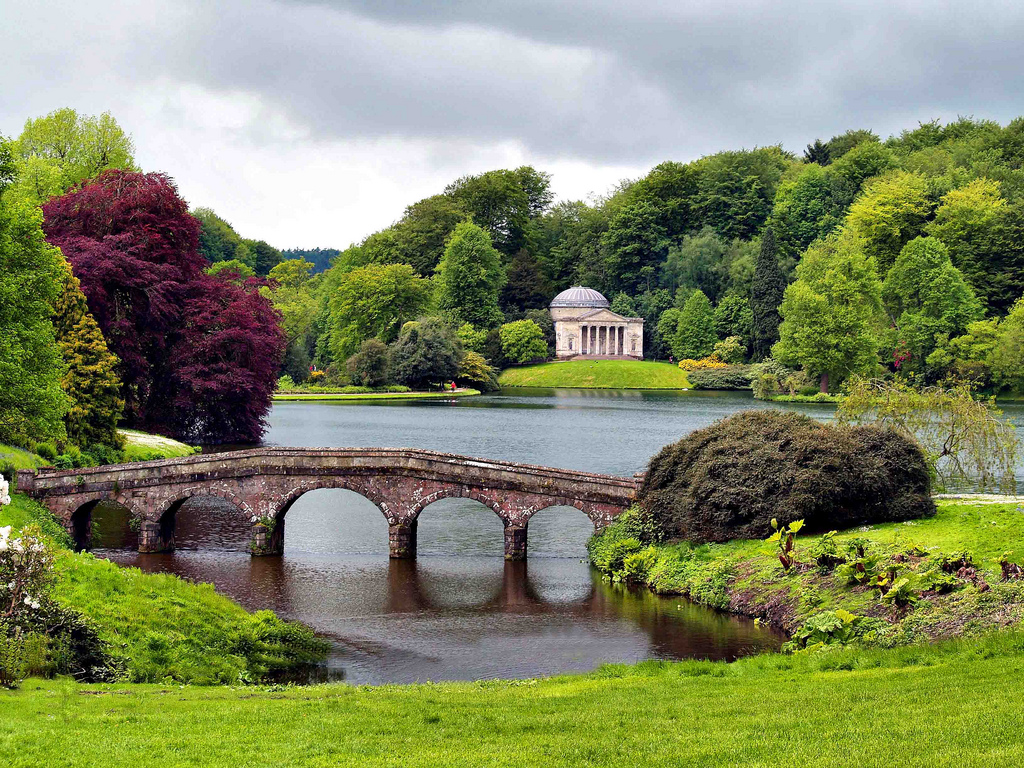
Example 1: Central Park, New York City
Central Park is one of the most famous examples of landscape architecture in the world. Designed by Frederick Law Olmsted and Calvert Vaux in the mid-19th century, the park was created as a green sanctuary in the middle of Manhattan.
Its design integrates meadows, lakes, wooded areas, and recreational facilities that provide diverse experiences for millions of visitors each year. Central Park demonstrates how landscape architecture can transform urban density into a living, breathing environment that improves social and ecological health.
Example 2: Gardens by the Bay, Singapore
Gardens by the Bay is a groundbreaking project that highlights the integration of modern technology with ecological design. Located in Singapore, this futuristic park features vertical gardens known as “Supertrees” and sustainable energy systems that power parts of the garden through solar panels.
The project showcases how landscape architecture can create iconic landmarks while addressing environmental challenges such as carbon emissions and biodiversity loss.
Example 3: The High Line, New York City
The High Line is a unique urban park built on a former elevated railway. By repurposing abandoned infrastructure, designers transformed it into a public green space that weaves through Manhattan’s West Side.
It demonstrates the innovative potential of landscape architecture in reimagining neglected urban areas. The High Line not only provides greenery and public gathering spots but also stimulates economic growth in surrounding neighborhoods.
Example 4: Millennium Park, Chicago
Millennium Park illustrates how landscape architecture can merge public art, recreation, and sustainability. The park includes the famous Cloud Gate sculpture, open lawns for cultural events, and sustainable plantings that adapt to Chicago’s climate.
This project has become a symbol of how cities can reinvigorate downtown spaces, attract tourism, and provide a cultural hub for residents.
Use Cases of Landscape Architecture in Solving Problems
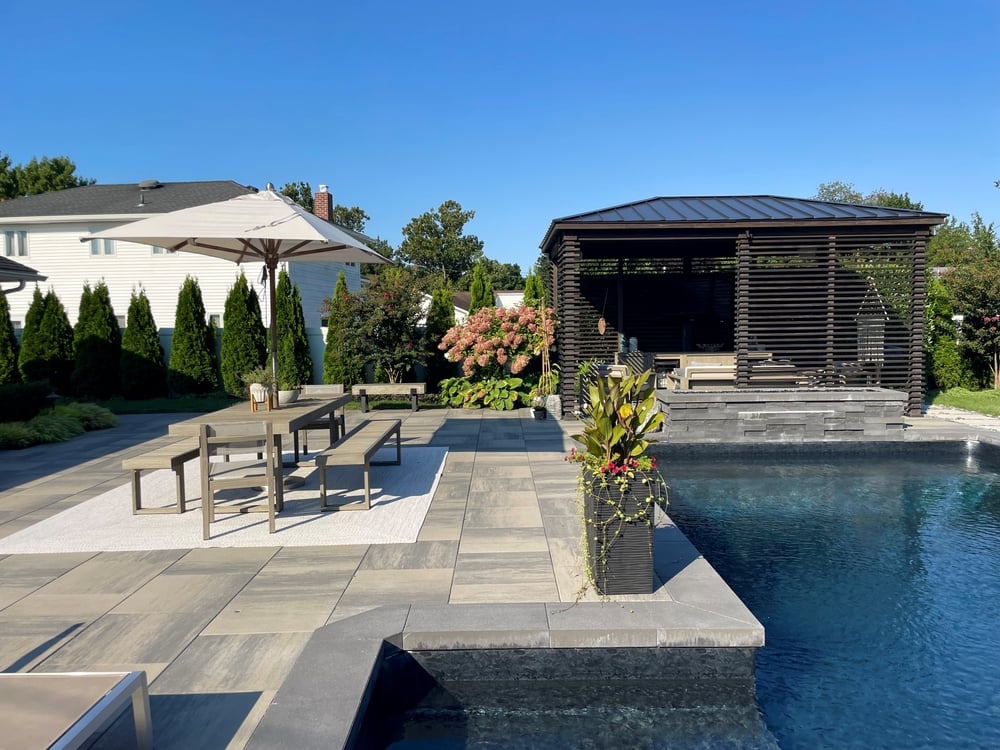
Flood and Water Management
Landscape architecture often incorporates systems to manage stormwater. Rain gardens, permeable pavements, and wetlands reduce flooding risks in urban areas while improving groundwater recharge.
Urban Heat Reduction
Green roofs, shade trees, and urban forests help lower city temperatures by counteracting the urban heat island effect. This makes cities more comfortable during extreme heat events.
Restoring Ecosystems
Projects that focus on rewilding degraded land restore biodiversity, improve soil quality, and create habitats for wildlife. These efforts contribute to climate resilience and ecological balance.
Enhancing Community Life
By creating inclusive and interactive spaces, landscape architecture fosters social cohesion. Playgrounds, amphitheaters, and pedestrian-friendly plazas bring communities together.
Benefits of Technology in Landscape Architecture
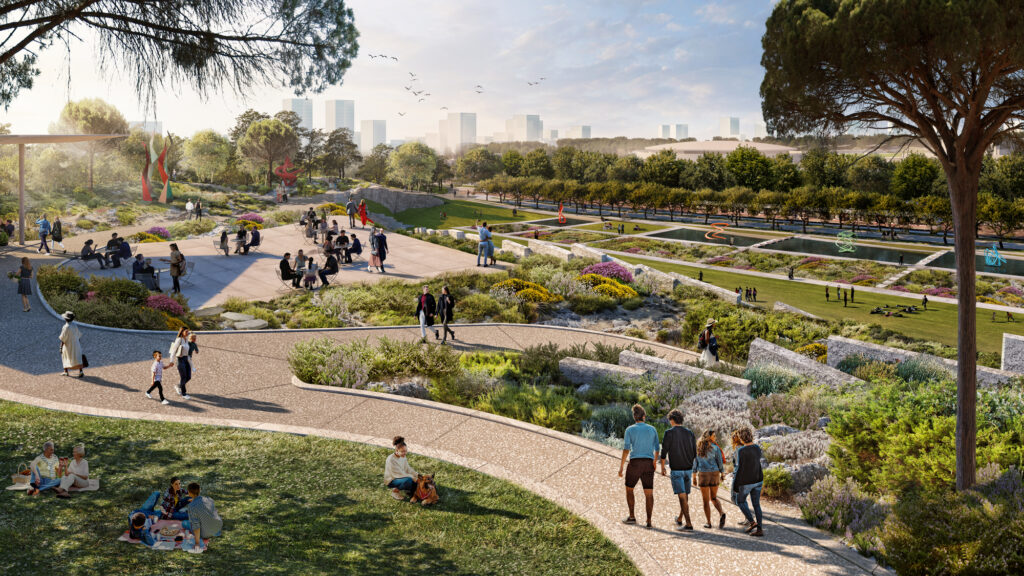
Technology enhances the efficiency and effectiveness of modern landscape design.
GIS and Digital Mapping
Geographic Information Systems (GIS) allow landscape architects to analyze land use, soil conditions, and ecological patterns with precision. This data-driven approach ensures designs are based on accurate environmental assessments.
Sustainable Building Technologies
From solar-powered lighting to smart irrigation systems, technology helps reduce resource consumption in outdoor spaces. Automated systems ensure landscapes remain healthy while minimizing maintenance costs.
Virtual Reality and 3D Modeling
Advanced visualization tools help architects present ideas to clients and communities in an interactive way. Virtual reality allows people to experience a space before it is built, ensuring better decision-making and engagement.
Frequently Asked Questions
1. What is the difference between landscape architecture and landscape design?
Landscape architecture is a broader discipline that includes large-scale planning, ecological sustainability, and public space design. Landscape design often focuses on smaller projects such as gardens and private outdoor areas.
2. How does landscape architecture help with climate change?
Landscape architecture integrates natural systems such as wetlands, forests, and green roofs into urban areas. These elements reduce carbon emissions, manage stormwater, and combat the urban heat island effect.
3. Can technology replace traditional landscape architecture practices?
Technology enhances landscape architecture but cannot replace its core principles of creativity, cultural sensitivity, and ecological understanding. Tools like GIS and VR support decision-making, but human expertise ensures meaningful and sustainable design outcomes.