Architect: Roles, Skills, Benefits, and Real-World Examples in Modern Design
An architect is more than a designer of buildings; they are visionaries who shape the environments in which we live, work, and interact. By combining creativity, engineering knowledge, and cultural understanding, architects design spaces that are functional, safe, sustainable, and visually striking.
From private residences to skyscrapers, architects bring ideas to life. They serve as the bridge between a client’s dream and the construction team’s execution, ensuring that every detail aligns with both artistic ambition and practical necessity. The work of an architect is deeply influential, leaving behind structures that can define entire cities and even eras.
What an Architect Does

Architects are responsible for more than just designing aesthetically pleasing spaces. They study the needs of clients, assess site conditions, and create plans that maximize usability while complying with building codes and safety standards. Their work spans from initial sketches to detailed blueprints, and often includes overseeing the construction process.
They also act as problem-solvers, finding ways to balance budget constraints, sustainability goals, and aesthetic considerations. Whether it’s a home renovation, a hospital, or a commercial tower, architects ensure that the finished structure serves its purpose effectively while also making a visual and cultural statement.
Skills and Qualities of an Architect
An architect’s skill set is diverse, blending technical expertise with artistic creativity. They must understand structural engineering principles, environmental design, and material properties. At the same time, they must have a keen eye for design, proportion, and harmony.
Equally important are soft skills such as communication and leadership. Architects often collaborate with engineers, contractors, clients, and city officials. Their ability to mediate between these groups and ensure that all stakeholders understand the project vision is crucial to success. Strong problem-solving and adaptability skills are also necessary, as projects often evolve due to new challenges or unexpected conditions.
Real-World Examples of Architects and Their Work
Example 1: Frank Lloyd Wright – Fallingwater
Frank Lloyd Wright remains one of the most iconic architects in history. His Fallingwater House in Pennsylvania is a prime example of his philosophy of organic architecture designs that harmonize with nature. The home is built directly over a waterfall, integrating the natural landscape into the structure itself.
This project demonstrates how architects can transform the relationship between humans and the environment. By merging innovation with natural elements, Wright showed that buildings can be more than shelters; they can become extensions of the landscape.
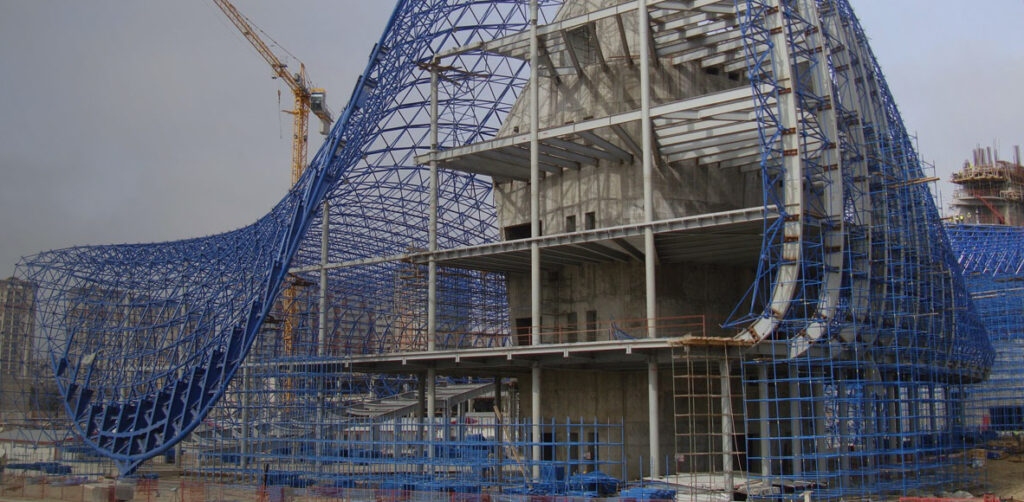
Example 2: Zaha Hadid – Heydar Aliyev Center
Zaha Hadid, often called the “Queen of Curves,” designed the Heydar Aliyev Center in Azerbaijan. The building is famous for its flowing, futuristic form that avoids traditional straight lines and sharp angles. The center has become an architectural landmark symbolizing cultural progression.
Her work emphasizes how architects push the boundaries of what is possible in design. With the help of advanced software and modeling tools, Hadid created once unimaginable structures, proving how technology and creativity intersect in architecture.
Example 3: Norman Foster – The Gherkin
Norman Foster designed London’s 30 St Mary Axe, popularly known as The Gherkin. The building stands out for its innovative use of energy efficiency. Its aerodynamic form allows natural ventilation, reducing the need for artificial air conditioning and lighting.
This project highlights how architects today focus not only on aesthetics but also on sustainability. The Gherkin has become a symbol of modern architecture in London, blending innovation, function, and environmental responsibility.
Example 4: Renzo Piano – The Shard
Renzo Piano’s The Shard in London is a towering example of modern architecture. Shaped like a shard of glass, the building reflects the sky while housing offices, restaurants, and residential spaces. Its design represents both transparency and innovation, redefining the city’s skyline.
The Shard demonstrates how architects create multipurpose landmarks that serve both functional and symbolic roles. It shows the power of architecture to reshape urban identity and become a defining feature of a nation’s culture.
Benefits of Using Architects in Modern Society
Turning Concepts into Reality
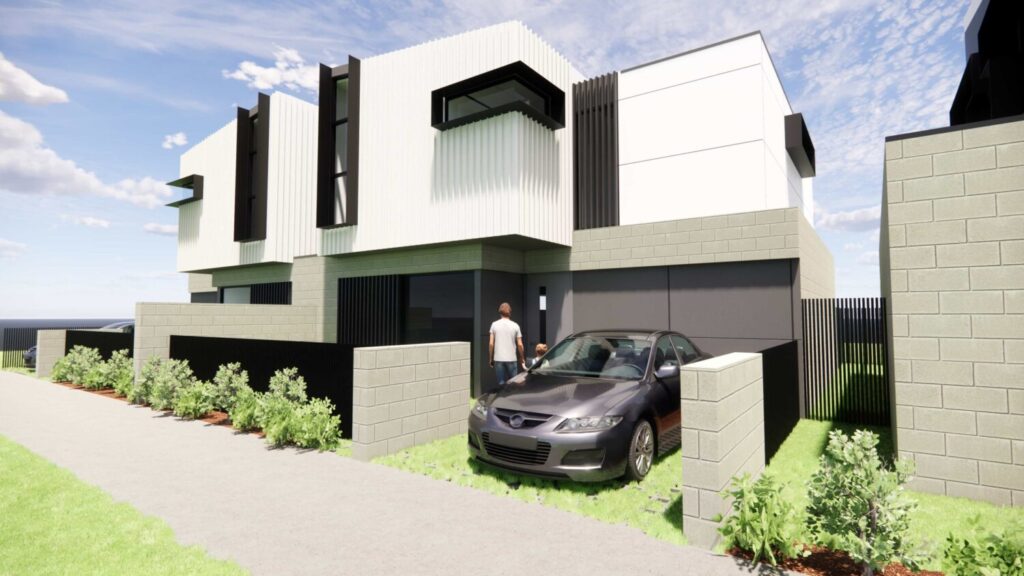
Architects have the expertise to transform abstract ideas into feasible projects. They create detailed designs that balance client aspirations with real-world considerations like safety, cost, and environmental impact. Without architects, many innovative ideas would remain just sketches on paper.
Their ability to manage both creative and technical demands ensures that projects are not only beautiful but also structurally sound and efficient. This transformation of vision into reality is one of the architect’s greatest contributions.
Enhancing Sustainability
Today’s architects are leaders in sustainable design. They integrate renewable energy solutions, green materials, and environmentally responsible practices into their projects. By designing energy-efficient structures, they reduce long-term costs while minimizing ecological footprints.
Through thoughtful site planning and building orientation, architects can maximize natural light, improve airflow, and reduce energy demands. This commitment to sustainability ensures that architecture contributes positively to both society and the planet.
Leveraging Technology for Better Results
Technology has revolutionized the work of architects. Tools like Building Information Modeling (BIM), 3D visualization, and virtual reality allow architects to create precise and interactive designs. Clients can now explore projects virtually before a single brick is laid.
These technologies not only improve accuracy but also enhance collaboration. Contractors, engineers, and clients can all see the same model, reducing misunderstandings and streamlining construction processes. This results in fewer costly errors and faster project delivery.
Practical Use Cases of Architects
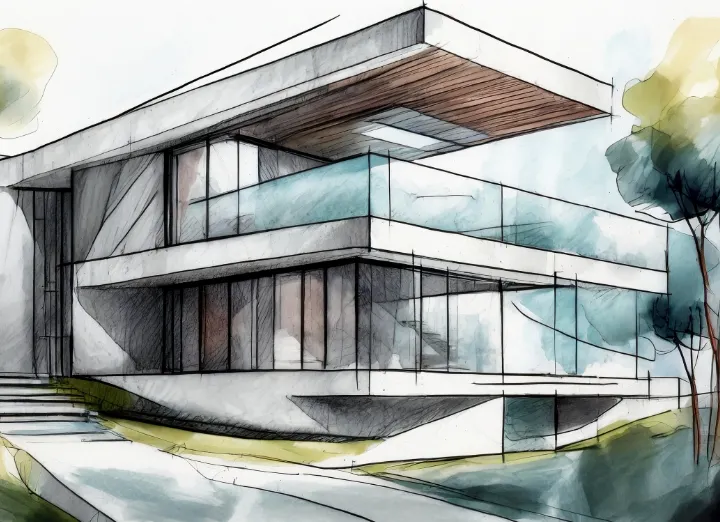
Designing Safe and Functional Spaces
One of the most practical uses of architects is in creating safe, functional environments. Hospitals, for example, require efficient layouts that support patient care, while schools need designs that promote learning and safety. Architects carefully plan these spaces to meet the unique needs of their users.
Their expertise ensures that every building functions as intended while complying with codes and safety standards. This focus on usability and safety is essential in modern society, where poorly designed spaces can have serious consequences.
Revitalizing Cities and Communities
Architects play a vital role in urban renewal and revitalization projects. By reimagining abandoned factories, warehouses, and industrial sites, they create new cultural hubs, residential areas, and green spaces. These projects breathe life into neglected areas and stimulate economic growth.
Urban revitalization demonstrates how architects can solve real-world problems, such as housing shortages or community decline. Their designs not only provide functional spaces but also strengthen community identity and pride.
Preserving Cultural Heritage
Architects also work to preserve and restore historic buildings. This ensures that cultural landmarks are maintained for future generations. By carefully balancing modern needs with historical preservation, architects help protect cultural identity while keeping structures relevant and usable.
This role illustrates how architects serve as custodians of history while simultaneously pushing forward innovation. Their ability to honor the past while shaping the future makes their work deeply impactful.
Frequently Asked Questions
1. Why is an architect important in a building project?
An architect ensures that a building is functional, safe, compliant with regulations, and aesthetically pleasing. They manage the design process, coordinate with stakeholders, and oversee execution to achieve the client’s vision.
2. How does technology benefit architects?
Technology provides architects with tools such as BIM, 3D modeling, and virtual reality. These tools allow for precise design, better communication, and interactive client experiences, making projects more efficient and accurate.
3. Can architects work on both small and large projects?
Yes. Architects design everything from small residential renovations to massive public infrastructure projects. Their expertise applies to projects of any size, ensuring quality design regardless of scale.