Architectural Rendering Services: Benefits, Use Cases, and Real-World Examples in Modern Design
Architectural rendering services play a vital role in today’s construction and design industry. These services involve creating highly detailed 2D and 3D visualizations of architectural projects, helping stakeholders envision the outcome long before construction begins. Unlike technical blueprints, renderings provide photorealistic perspectives that allow architects, developers, and clients to experience a project visually.
Over the years, rendering services have evolved into an essential tool for architecture, engineering, and real estate development. Whether it’s for presenting a residential home, showcasing a skyscraper, or simulating a resort, architectural rendering services enhance communication, reduce risk, and support better decision-making at every stage of design and construction.
What Are Architectural Rendering Services?
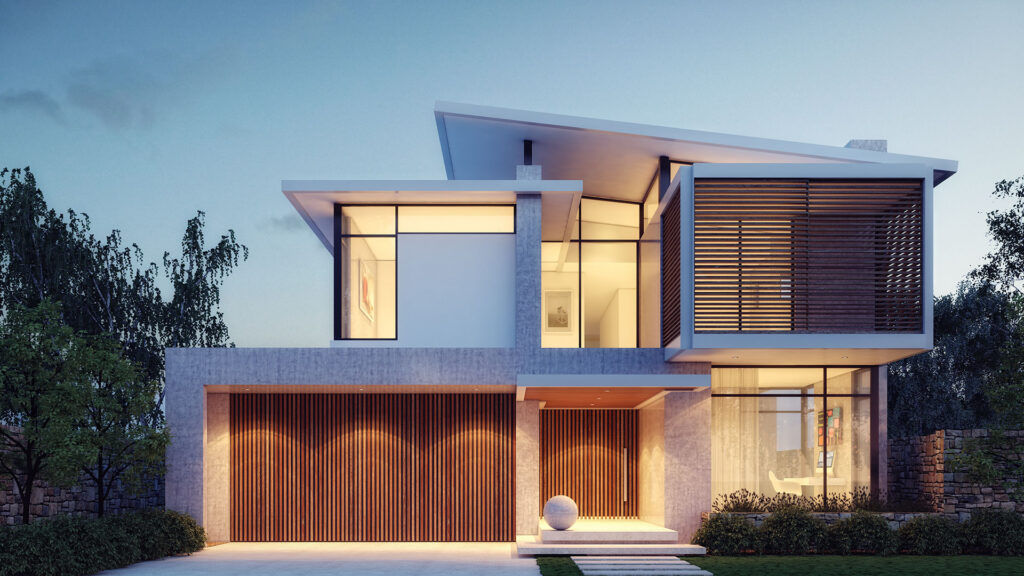
Architectural rendering services refer to the professional creation of lifelike images, animations, or walkthroughs that represent planned architectural projects. These services go beyond traditional drawings by incorporating advanced technologies like 3D modeling, virtual reality, and real-time rendering.
The purpose is to transform conceptual designs into visuals that are easy to understand and evaluate. By outsourcing to specialized rendering providers, architects and developers gain access to skilled professionals who can simulate materials, lighting, textures, and environments with striking accuracy. This enables projects to be communicated effectively to clients, investors, and even government regulators.
Types of Architectural Rendering Services
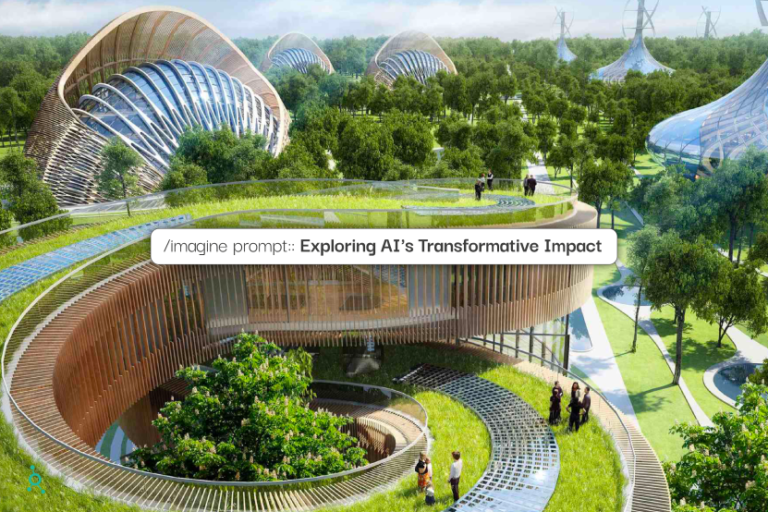
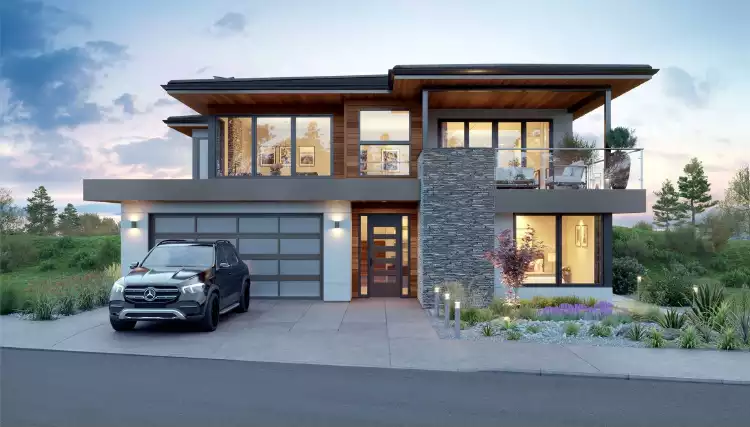
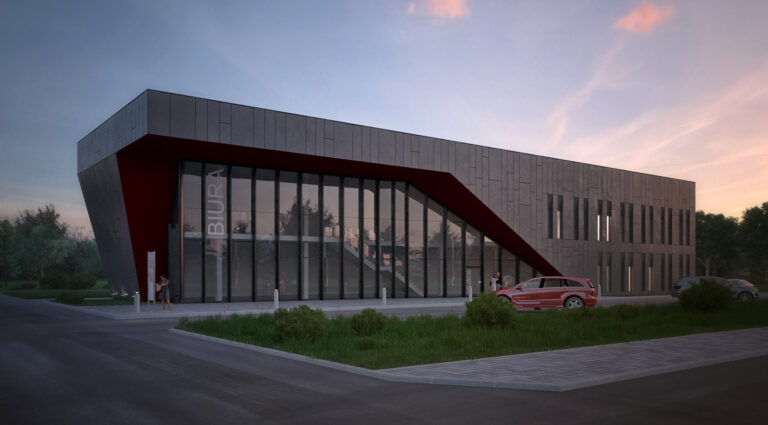
Architectural rendering services can be classified into several categories depending on the purpose of the visualization. Exterior rendering focuses on building facades, landscapes, and how structures integrate with their surroundings. Interior rendering highlights layouts, furniture placement, and finishing details. Aerial rendering offers a bird’s-eye perspective, useful for large developments or urban planning.
In addition, animation and walkthrough rendering allow clients to virtually explore a project. These immersive experiences are often used in marketing campaigns, providing potential buyers with a realistic “preview” of future spaces. Each type of service caters to different stages of design, making them versatile tools across industries.
Real-World Examples of Architectural Rendering Services
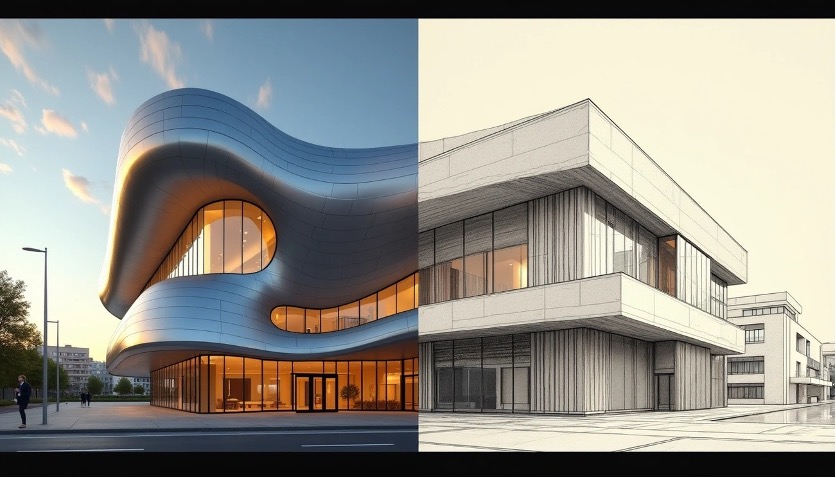
Example 1: Luxury Residential Villa
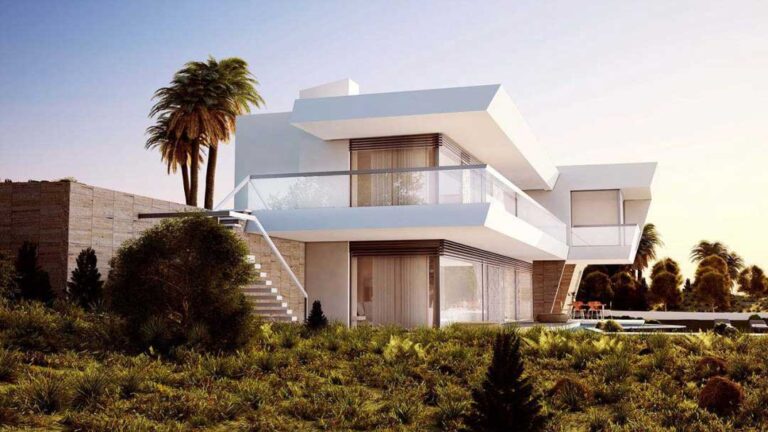
For a luxury villa project, architectural rendering services were used to create detailed exterior and interior visualizations. The renderings showed realistic landscaping, pool placement, and material finishes, giving clients a full sense of the property’s ambiance.
This service helped the homeowner understand design options before committing to expensive construction. It also provided contractors with clear guidance on material choices, reducing errors and ensuring the final build matched the envisioned design.
Example 2: High-Rise Commercial Building
Developers of a high-rise commercial tower utilized rendering services to showcase the building’s sleek design, lobby interiors, and integration within the city skyline. Exterior renderings captured how sunlight reflected off glass facades, while interior renderings highlighted office layouts and common areas.
These visuals were crucial for investor presentations. By seeing realistic depictions of the tower, stakeholders gained confidence in the project’s viability, making it easier to secure funding and regulatory approvals.
Example 3: Resort and Hospitality Complex
Architectural rendering services were applied in the design of a luxury resort featuring beachfront villas, restaurants, and recreational facilities. Renderings allowed developers to market the resort months before construction began, providing potential visitors and investors with immersive previews of amenities.
The resort’s marketing campaign relied heavily on these renderings, which helped build excitement and anticipation. Furthermore, renderings ensured consistency between the design team and contractors, minimizing miscommunication during construction.
Example 4: Public Infrastructure Project
For a new transportation hub, rendering services created realistic depictions of passenger flow, waiting areas, and environmental integration. The renderings illustrated how the hub would accommodate traffic, interact with nearby neighborhoods, and improve accessibility.
Such visualizations were presented to government officials and the public, fostering trust and transparency. By clearly demonstrating the project’s benefits, renderings helped the proposal gain approval and public support more effectively than technical documents alone.
Benefits of Architectural Rendering Services
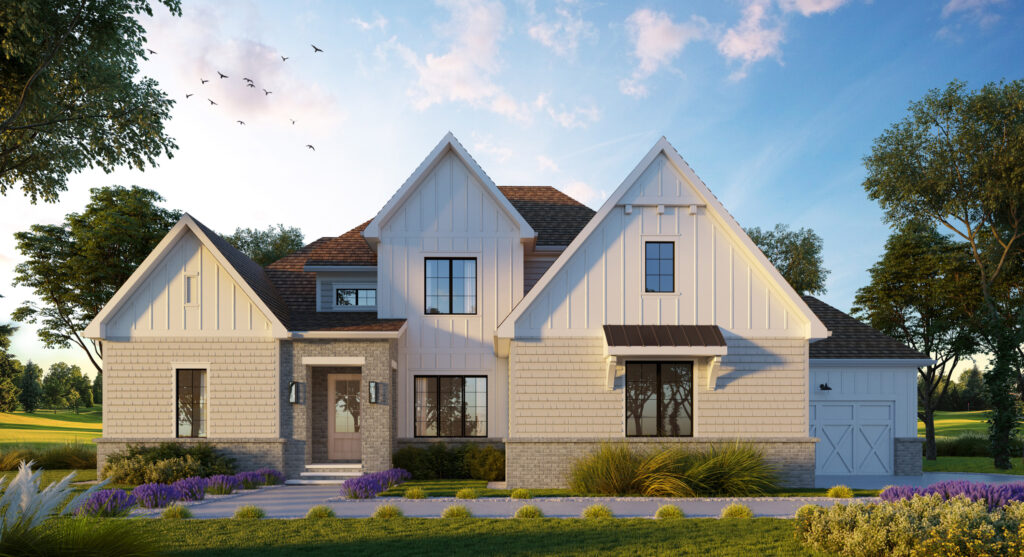
Enhanced Visualization and Communication
One of the most significant benefits of rendering services is their ability to transform complex designs into visuals anyone can understand. Clients who struggle with technical blueprints can clearly grasp layouts, proportions, and aesthetics through renderings. This clarity improves communication and ensures alignment between architects, developers, and clients.
Additionally, renderings serve as persuasive tools in presentations. Whether it’s convincing a client to approve a design or helping an investor see potential returns, visuals are far more compelling than abstract plans.
Cost and Time Efficiency
Rendering services significantly reduces risks associated with construction. By spotting design flaws or impracticalities early in the visualization stage, architects can make changes without incurring costly construction delays. For example, if a lighting placement doesn’t achieve the desired effect, it can be corrected in the rendering phase rather than on-site.
This early identification of issues translates into time and cost savings, which is critical in large-scale projects where mistakes could amount to millions in losses.
Integration of Modern Technology
Modern rendering services utilize technologies such as VR, AR, and real-time rendering software. These innovations allow stakeholders to immerse themselves in designs and interact with projects in ways traditional drawings never could. Virtual walkthroughs, for instance, let clients “experience” spaces before they exist.
This technological integration makes rendering services more dynamic, engaging, and valuable, setting them apart from older design communication methods.
Practical Use Cases of Architectural Rendering Services
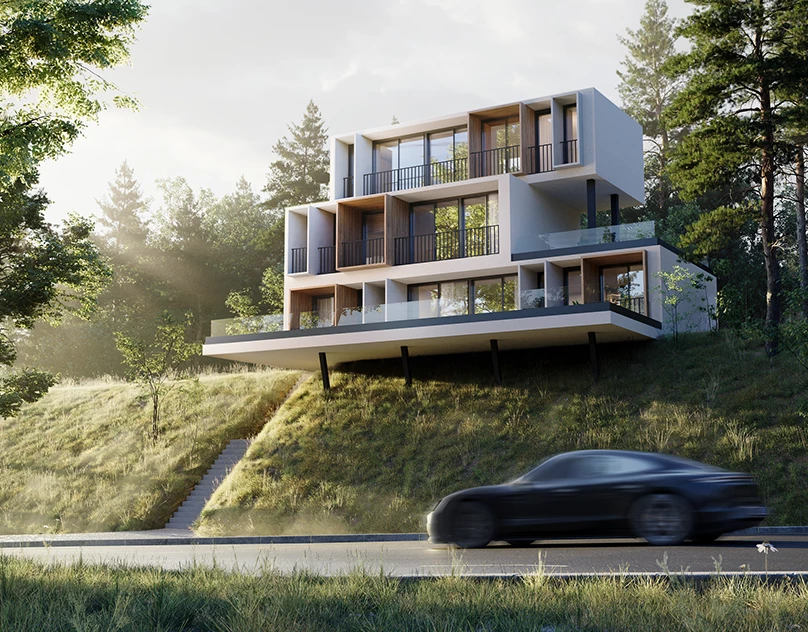
Improving Marketing Strategies
Real estate developers often rely on renderings to market projects before construction. Renderings are used in brochures, websites, and promotional videos to attract potential buyers or tenants. They allow prospects to visualize finished spaces, making pre-sales campaigns highly effective.
This use case highlights the dual role of rendering service, which is not only a design tool but also marketing assets that drive sales and investment.
Supporting Sustainable Design Decisions
Rendering services can simulate environmental factors such as natural light, ventilation, and energy efficiency. Architects can test different materials or orientations to ensure buildings are sustainable and cost-effective in the long term.
For example, renderings can illustrate how solar panels interact with roof designs or how shading structures reduce heat gain. These insights support eco-friendly architecture and long-term operational savings.
Facilitating Public Engagement
For public projects, renderings help explain how developments will impact communities. Citizens and government agencies can see accurate representations of new schools, bridges, or cultural centers. This transparency improves collaboration and public trust.
By showing how projects integrate with local environments, rendering services bridge the gap between design professionals and everyday citizens, ensuring smoother project approval processes.
Frequently Asked Questions
1. What do architectural rendering services include?
They include the creation of detailed 2D and 3D visualizations, animations, walkthroughs, and virtual tours of architectural projects. These services help architects, developers, and clients visualize and evaluate designs before construction.
2. How do architectural rendering services benefit developers?
Developers use rendering services to attract investors, pre-sell units, and market projects effectively. They also reduce construction risks by identifying design issues early, saving time and money.
3. Are you rendering services only for large projects?
No. While often used in large-scale developments, rendering services are equally valuable for smaller residential, commercial, and renovation projects. They provide clarity and precision regardless of project size.