Architectural Rendering: Techniques, Benefits, and Real-World Applications in Modern Design
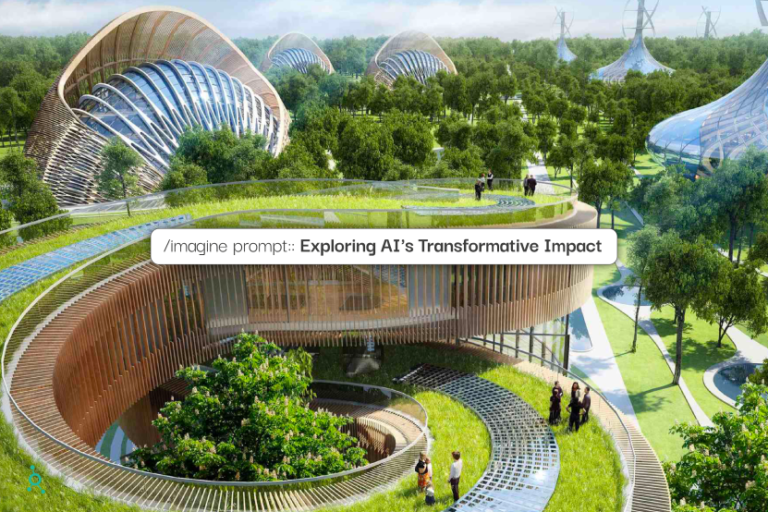
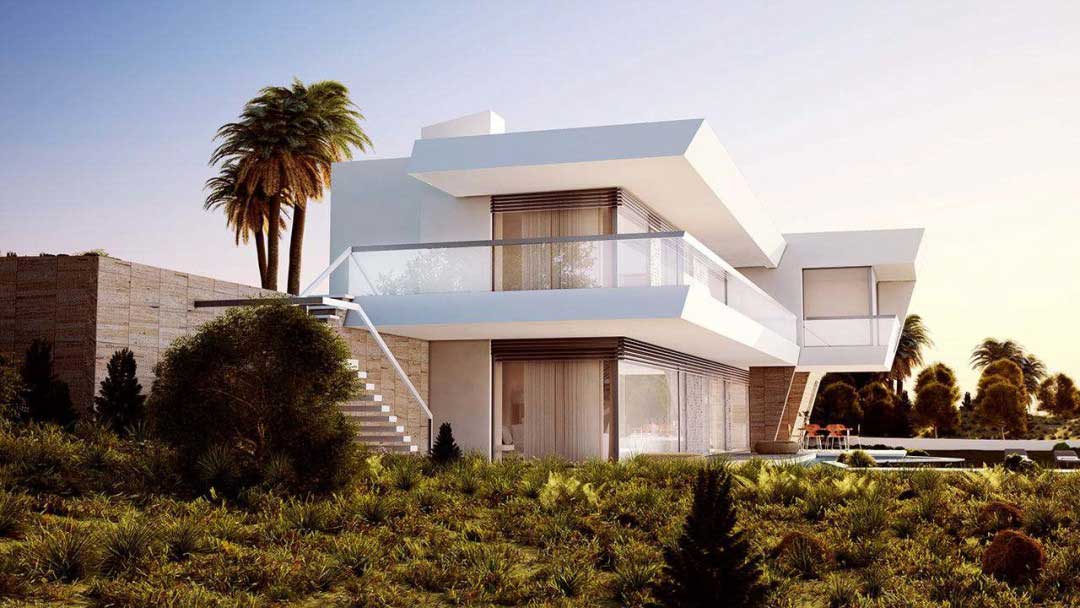
Architectural rendering has become a cornerstone of modern design and construction. It is the process of creating lifelike images or animations that represent architectural projects before they are built. By turning concepts into visual representations, rendering bridges the gap between imagination and reality, enabling architects, developers, and clients to see how a design will look and function in its intended environment.
Over the last few decades, technological advancements have transformed rendering from simple sketches to hyper-realistic 3D models. This evolution has made rendering an indispensable tool in the architectural process, helping stakeholders make informed decisions, reduce risks, and improve communication across design teams.
The Evolution of Architectural Rendering
Before the advent of digital tools, architectural rendering relied on hand-drawn illustrations. These drawings required immense skill but often lacked precision and scalability. With the rise of computer-aided design (CAD) and 3D modeling software, rendering became faster, more accurate, and visually stunning.
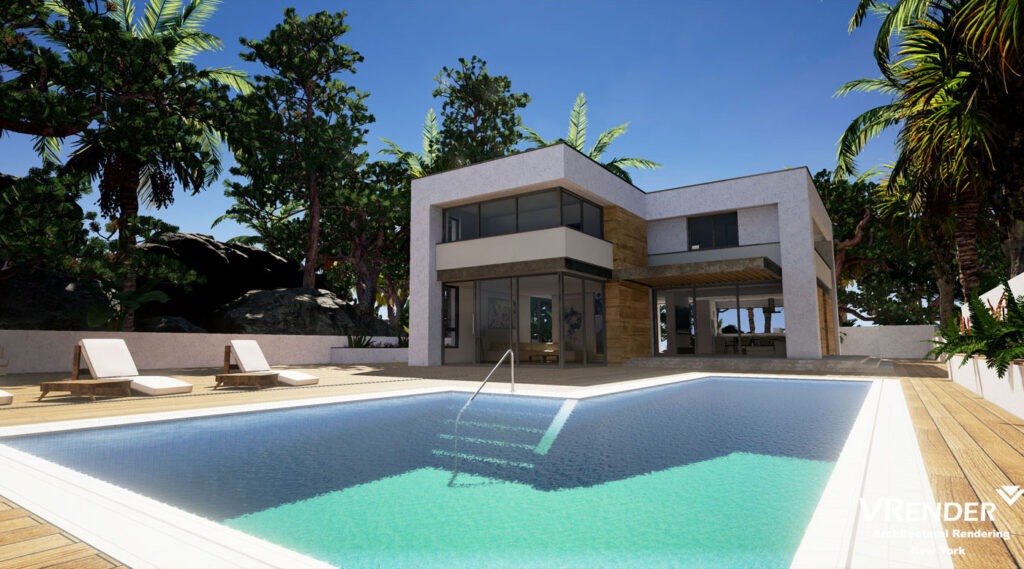
Today’s architectural rendering incorporates photorealistic lighting, textures, and even environmental elements like landscaping, weather, and human activity. This evolution has not only enhanced the visual appeal but also the practical functionality of renderings, making them vital for both creative expression and technical planning.
Types of Architectural Rendering
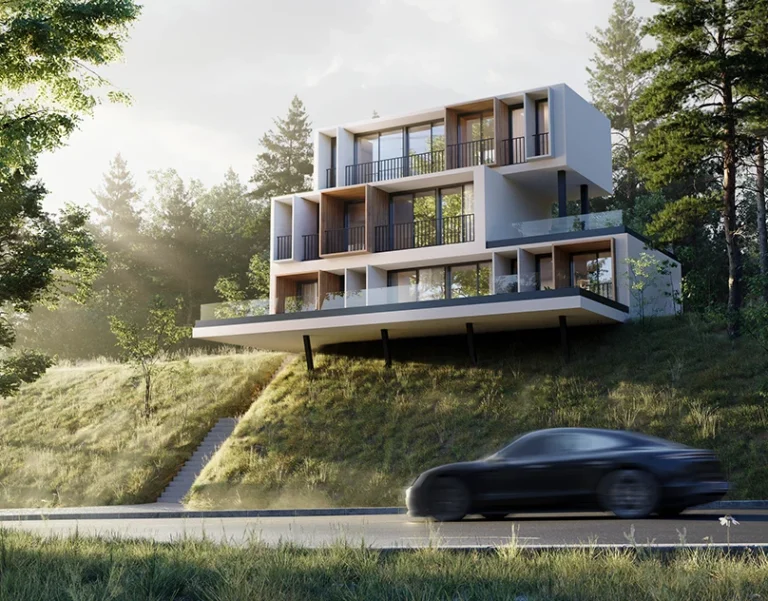
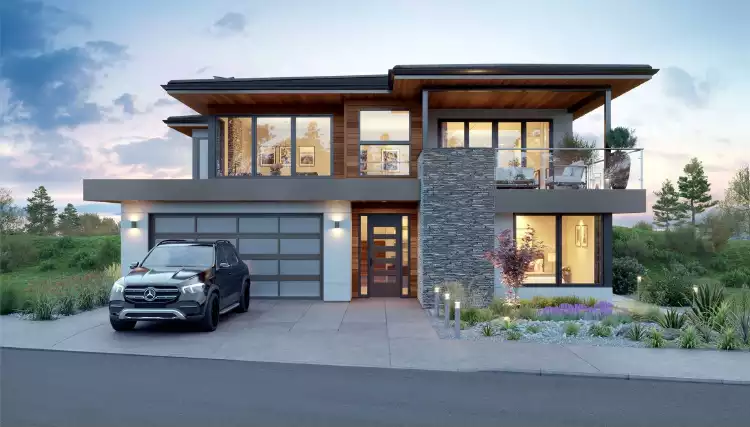
Architectural rendering comes in several forms, each serving different purposes in the design process. Exterior renderings showcase how a building integrates with its environment, while interior renderings focus on layouts, furniture, and finishes. Aerial renderings provide a bird’s-eye view of a project within its broader context, and walkthrough animations allow viewers to virtually “tour” a space.
These different types of rendering allow architects and developers to communicate complex ideas more effectively. They ensure that every detail, from the placement of windows to the texture of flooring, can be evaluated before construction begins, minimizing costly changes later on.
Real-World Examples of Architectural Rendering
Example 1: Residential Housing Development
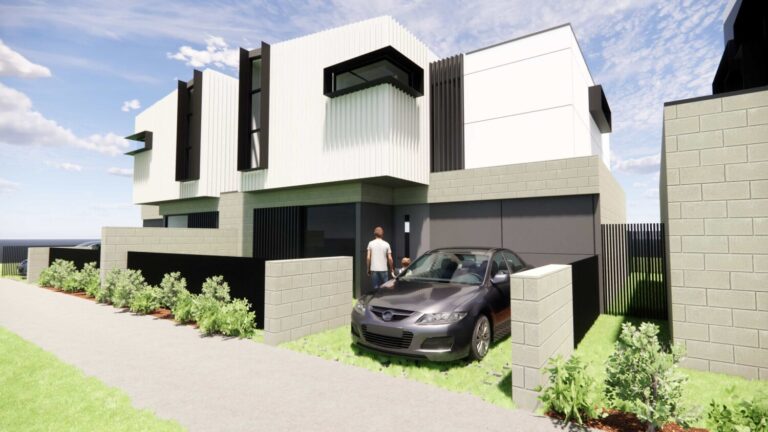
In large residential projects, architectural rendering allows developers to present entire neighborhoods before a single foundation is poured. For example, modern housing communities are often marketed using detailed 3D renderings that highlight not just the homes but also streetscapes, parks, and community amenities.
This application provides prospective buyers and city planners with a clear vision of the project. It also allows developers to showcase different home styles and finishes, creating a more immersive and convincing presentation of the development’s future appeal.
Example 2: Commercial Office Buildings
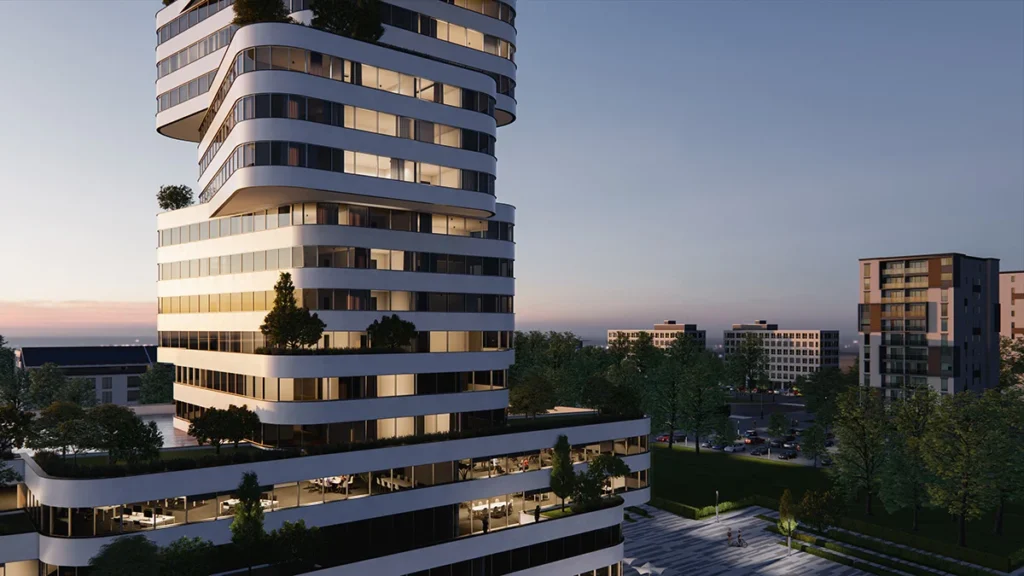
Architectural rendering is frequently used for large-scale commercial projects, such as office complexes and skyscrapers. Renderings of these projects illustrate how the building interacts with its urban environment, taking into account sunlight, pedestrian flow, and nearby structures.
For clients and investors, these renderings are invaluable. They provide insight into the building’s visual identity, its impact on the skyline, and how interior layouts support modern workspaces. This enhances investor confidence and ensures alignment with city regulations.
Example 3: Hospitality and Resort Design
In the hospitality industry, renderings are used extensively to market hotels and resorts even before construction begins. A luxury resort, for instance, can be visualized with detailed representations of guest rooms, pools, lobbies, and outdoor recreational spaces.
This type of rendering not only helps investors and developers but also plays a key role in pre-opening marketing campaigns. Guests can “experience” the resort ahead of time, building anticipation and brand recognition. The accuracy of such renderings ensures that what is built matches what was promised.
Example 4: Public Infrastructure Projects
Rendering is also critical in public infrastructure projects, such as bridges, transportation hubs, and cultural centers. Visualizations help government agencies and citizens understand the impact of these projects on their communities.
These renderings can simulate traffic flow, pedestrian accessibility, and environmental integration. By providing such clarity, they make public engagement more effective and transparent, fostering greater community trust in the development process.
Benefits of Using Technology in Architectural Rendering
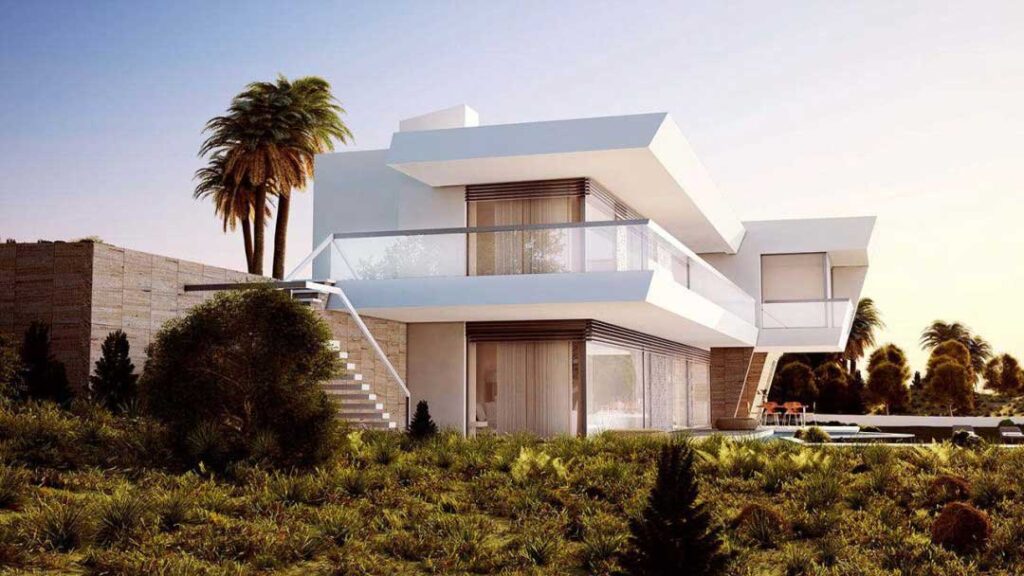
The integration of advanced technology in architectural rendering has brought numerous benefits. Real-time rendering software now enables instant modifications, allowing design teams to test different materials, lighting conditions, and layouts in minutes rather than weeks. This agility accelerates the design process and enhances creativity.
Another major benefit is improved accuracy. High-resolution textures and advanced lighting algorithms create renderings that closely mimic real-world conditions. This reduces the risk of misunderstandings between architects, clients, and contractors. Additionally, virtual reality (VR) and augmented reality (AR) technologies allow stakeholders to immerse themselves in the design, providing an unprecedented level of interactivity.
Practical Use Cases of Architectural Rendering
Improving Client Communication
One of the most significant challenges in architecture is translating complex technical plans into something clients can easily understand. Renderings solve this problem by presenting designs in a realistic and visually engaging format. Clients can “see” their project rather than interpret abstract blueprints.
This clarity enhances decision-making, reduces miscommunication, and ensures that clients feel confident in the proposed designs. It also minimizes the risk of costly changes once construction has begun.
Supporting Sustainable Design Choices
Rendering also plays a role in sustainability. By simulating natural light, airflow, and material choices, renderings allow architects to evaluate energy efficiency before construction. This helps in creating greener buildings that are both environmentally responsible and cost-effective over the long term.
For example, architects can use renderings to test how solar panels interact with roof angles or how shading devices impact interior comfort. These simulations lead to more sustainable and livable designs.
Enhancing Marketing and Sales

Developers often use architectural renderings to market projects before completion. Photorealistic images of future buildings can be showcased in brochures, websites, and virtual tours, helping secure investors, buyers, or tenants.
This marketing advantage shortens sales cycles and builds stronger engagement with potential stakeholders. Renderings essentially serve as both a design tool and a marketing asset, bridging creativity and commerce.
Frequently Asked Questions
1. What is architectural rendering used for?
Architectural rendering is used to create realistic visualizations of buildings and spaces before construction begins. It helps architects, developers, and clients evaluate design choices, communicate effectively, and market projects.
2. How has technology changed architectural rendering?
Technology has transformed rendering from hand-drawn sketches into hyper-realistic 3D visualizations. Innovations like VR, AR, and real-time rendering software provide interactivity, accuracy, and flexibility, making the process faster and more effective.
3. Why is architectural rendering important in real estate development?
In real estate, renderings help market projects before construction, attract investors, and give buyers a realistic sense of what a finished property will look like. This builds confidence and speeds up decision-making.