Architecture – History, Principles, Benefits, and Modern Examples
Architecture is one of humanity’s oldest and most enduring art forms. It is not simply about constructing buildings; it is about designing spaces that shape the way people live, work, and interact with their environment. Architecture combines creativity with science, aesthetics with engineering, and tradition with innovation. From ancient temples to futuristic smart cities, architecture reflects cultural values, technological progress, and human aspirations.
The importance of architecture lies in its ability to define civilizations. Historical monuments like the Pyramids of Egypt, the Colosseum in Rome, and the Great Wall of China tell stories of past societies, while modern skyscrapers and eco-friendly structures represent humanity’s current priorities. In every era, architecture evolves to solve real-world problems such as shelter, urbanization, sustainability, and human well-being.
The Core Principles of Architecture
Function and Purpose
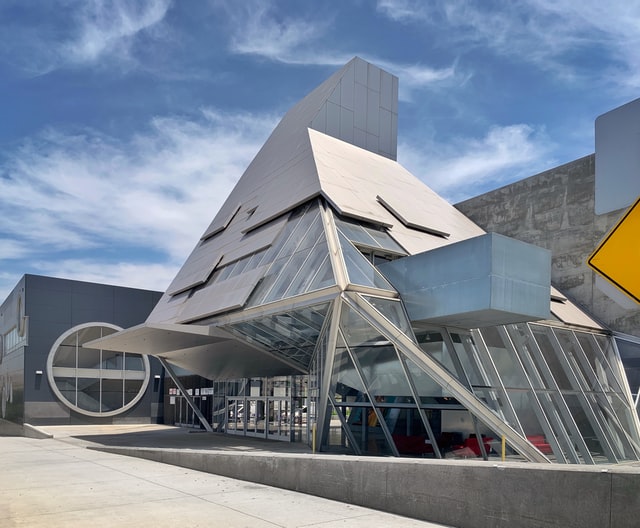
The foundation of architecture is functionality. Every building serves a purpose, whether it is to provide housing, education, worship, or commerce. Architects design spaces with this in mind, ensuring that structures meet the needs of their users efficiently. A hospital, for example, requires layouts that facilitate patient care and staff movement, while a school must foster an environment of learning and collaboration.
Functionality also includes adaptability. Modern architecture often incorporates flexible spaces that can serve multiple uses, responding to changing lifestyles, urban density, and technological developments.
Aesthetics and Cultural Identity
Beyond functionality, architecture must appeal to the senses and reflect cultural identity. Aesthetic considerations such as proportion, symmetry, materials, and light play a major role in how people experience architecture. Temples, mosques, cathedrals, and palaces throughout history show how architecture conveys religious devotion, political power, and cultural pride.
In contemporary times, architecture embraces diversity from minimalist styles that focus on simplicity to futuristic designs that highlight innovation. A building’s appearance contributes not only to its individual value but also to the character of its surrounding environment.
Role of Technology in Architecture
Digital Design and Visualization
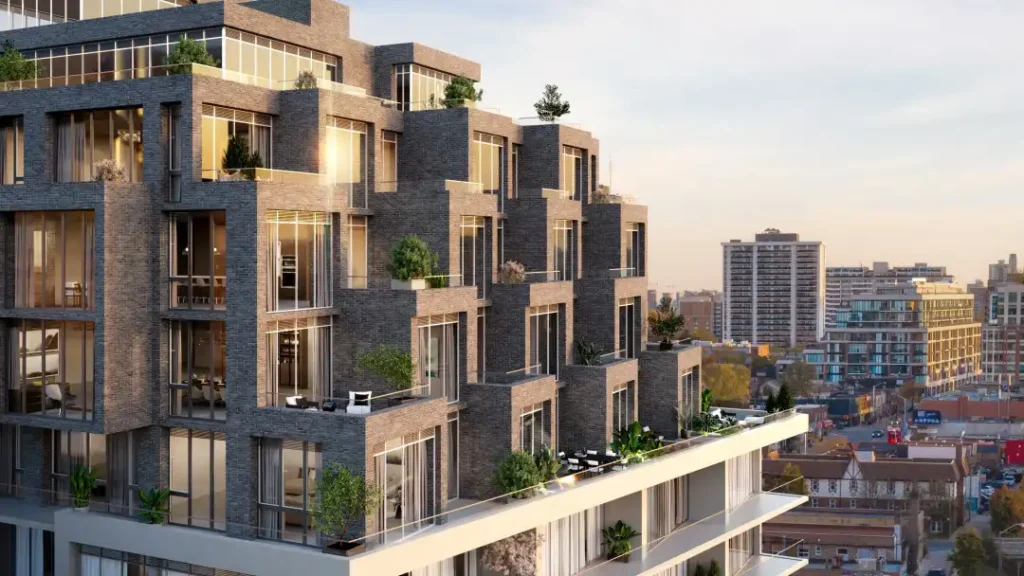
Technology has transformed how architects design and present their work. Computer-Aided Design (CAD), Building Information Modeling (BIM), and 3D rendering tools allow precise planning and realistic visualization. These innovations enable architects to test materials, lighting, and structures in virtual environments before construction begins.
This digital shift reduces costly errors, enhances collaboration with engineers and clients, and speeds up project approval processes. It also makes architecture more accessible, as clients can “walk through” a digital model before a single brick is laid.
Smart and Sustainable Architecture
Modern buildings are increasingly “smart,” integrating technologies such as automated lighting, energy-efficient systems, and climate control. Architects incorporate sensors, renewable energy sources, and eco-friendly materials into designs, creating structures that are both functional and environmentally conscious.
Smart technology also improves safety. Fire detection, surveillance, and energy monitoring systems are now seamlessly embedded into architectural plans, allowing buildings to respond dynamically to changing conditions.
Real-World Examples of Architecture
Example 1: The Pyramids of Giza, Egypt
The Pyramids of Giza are among the earliest and most iconic examples of architecture. Built over 4,000 years ago, these monumental structures showcase not only engineering brilliance but also deep cultural and spiritual significance. Their alignment with celestial bodies highlights the ancient Egyptians’ astronomical knowledge.
These pyramids remain relevant today as symbols of endurance, cultural heritage, and the capacity of architecture to embody timeless human ambition. Their influence extends into modern architectural concepts, especially in monumental and memorial structures.
Example 2: The Parthenon in Athens, Greece
The Parthenon, built in the 5th century BCE, is a masterpiece of classical architecture. Designed as a temple for the goddess Athena, it embodies principles of symmetry, proportion, and harmony that still inspire architects today.
Its relevance lies in its influence on Western architecture. Many government buildings, museums, and universities worldwide echo the Parthenon’s classical features, demonstrating how architectural ideas can transcend centuries and continents.
Example 3: The Eiffel Tower in Paris, France
When it was completed in 1889, the Eiffel Tower was a radical departure from traditional architecture. Built of wrought iron, it symbolized industrial progress and modern engineering. Initially criticized, it later became one of the most recognized architectural landmarks in the world.
The Eiffel Tower illustrates how architecture can challenge conventions, break boundaries, and become an enduring symbol of innovation. Its significance extends beyond aesthetics, representing a blend of artistry and technological achievement.
Example 4: The Burj Khalifa in Dubai, UAE
The Burj Khalifa, currently the tallest building in the world, represents the pinnacle of modern architectural ambition. Standing at over 828 meters, it combines Islamic-inspired design with advanced engineering. Its structural system allows it to withstand high winds and extreme desert conditions.
This skyscraper is not only an architectural marvel but also a cultural and economic icon. It demonstrates how architecture can shape city identity and attract global attention, reinforcing Dubai’s role as a hub of modern innovation.
Example 5: The Guggenheim Museum in Bilbao, Spain
Designed by Frank Gehry, the Guggenheim Museum is a celebrated example of deconstructivist architecture. Its fluid, sculptural form made of titanium panels redefined how museums could engage with their audiences. The building itself became as important as the art it houses.
Its relevance extends to urban regeneration. The Guggenheim transformed Bilbao from an industrial city into a cultural destination, showing how architecture can reshape economies and communities.
Benefits of Architecture
Enhancing Human Well-Being
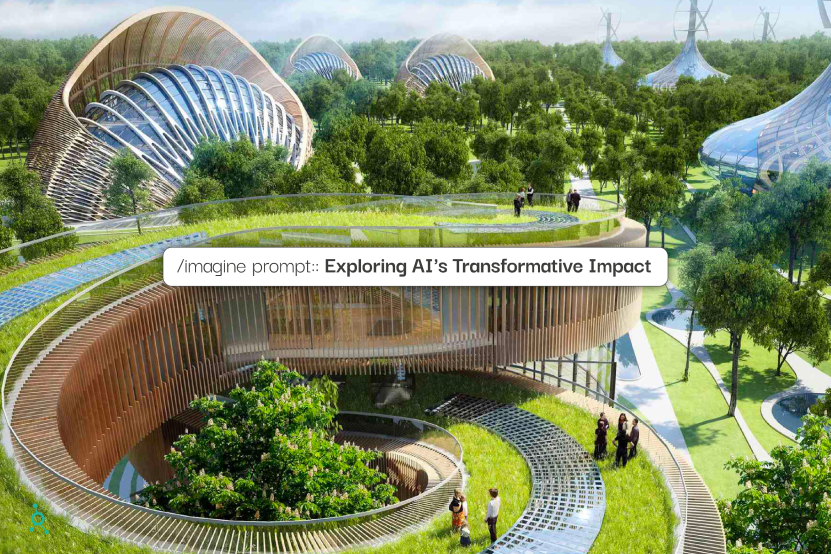
Architecture has a direct impact on physical and emotional well-being. Well-designed hospitals can promote healing, offices can boost productivity, and homes can foster comfort and security. Natural lighting, ventilation, and ergonomic layouts improve daily living experiences.
Supporting Sustainability
Through energy-efficient designs and eco-conscious planning, architecture reduces environmental harm. Green roofs, passive cooling techniques, and solar integration minimize energy use while preserving resources. This makes sustainable architecture vital in addressing climate change.
Preserving and Promoting Culture
Architecture serves as a cultural record. Historical landmarks remind societies of their past, while modern designs express contemporary values. It bridges generations, preserving tradition while embracing future possibilities.
Driving Economic Growth
Architectural landmarks attract tourism, investment, and talent. Cities known for their architecture, such as Paris or Dubai, enjoy global recognition. At the community level, well-planned urban design fosters vibrant neighborhoods, increasing property values and social cohesion.
Use Cases of Architecture
Urban Development
In rapidly growing cities, architecture solves problems of density, mobility, and sustainability. High-rise residential buildings, efficient public transport hubs, and green spaces are designed to improve the quality of life for millions of residents.
Disaster-Resilient Design
Architecture plays a role in designing earthquake-resistant buildings, flood-prepared housing, and hurricane-proof infrastructure. These designs save lives, reduce property damage, and ensure communities can recover more quickly from natural disasters.
Educational Institutions
Schools and universities designed with open layouts, flexible classrooms, and integrated technology enhance the learning process. Architecture influences how knowledge is shared and how students engage with their environment.
Cultural and Religious Buildings
Temples, churches, mosques, and cultural centers embody values and traditions. Through design, they provide spaces for reflection, community gathering, and spiritual growth.
Frequently Asked Questions
1. What defines good architecture?
Good architecture balances functionality, aesthetics, sustainability, and cultural context. It creates spaces that meet human needs while inspiring a sense of beauty and purpose.
2. How has architecture evolved?
Architecture has evolved from monumental stone structures to glass skyscrapers and eco-friendly smart buildings. Each era reflects advances in technology, changing cultural values, and responses to global challenges.
3. Why is architecture important in society?
Architecture shapes how people live, interact, and identify with their surroundings. It impacts well-being, preserves cultural heritage, fosters economic growth, and provides sustainable solutions to modern challenges.